Navalcarnero, a historic municipality located just over 30 kilometers southwest of Madrid, is attracting day trippers and weekend visitors with its preserved Castilian architecture, royal history, and winemaking traditions.
Located less than an hour from the Spanish capital, the royal town allows visitors to explore historic porticoed plazas, underground wine cellars, and traditional bakeries in a single day.
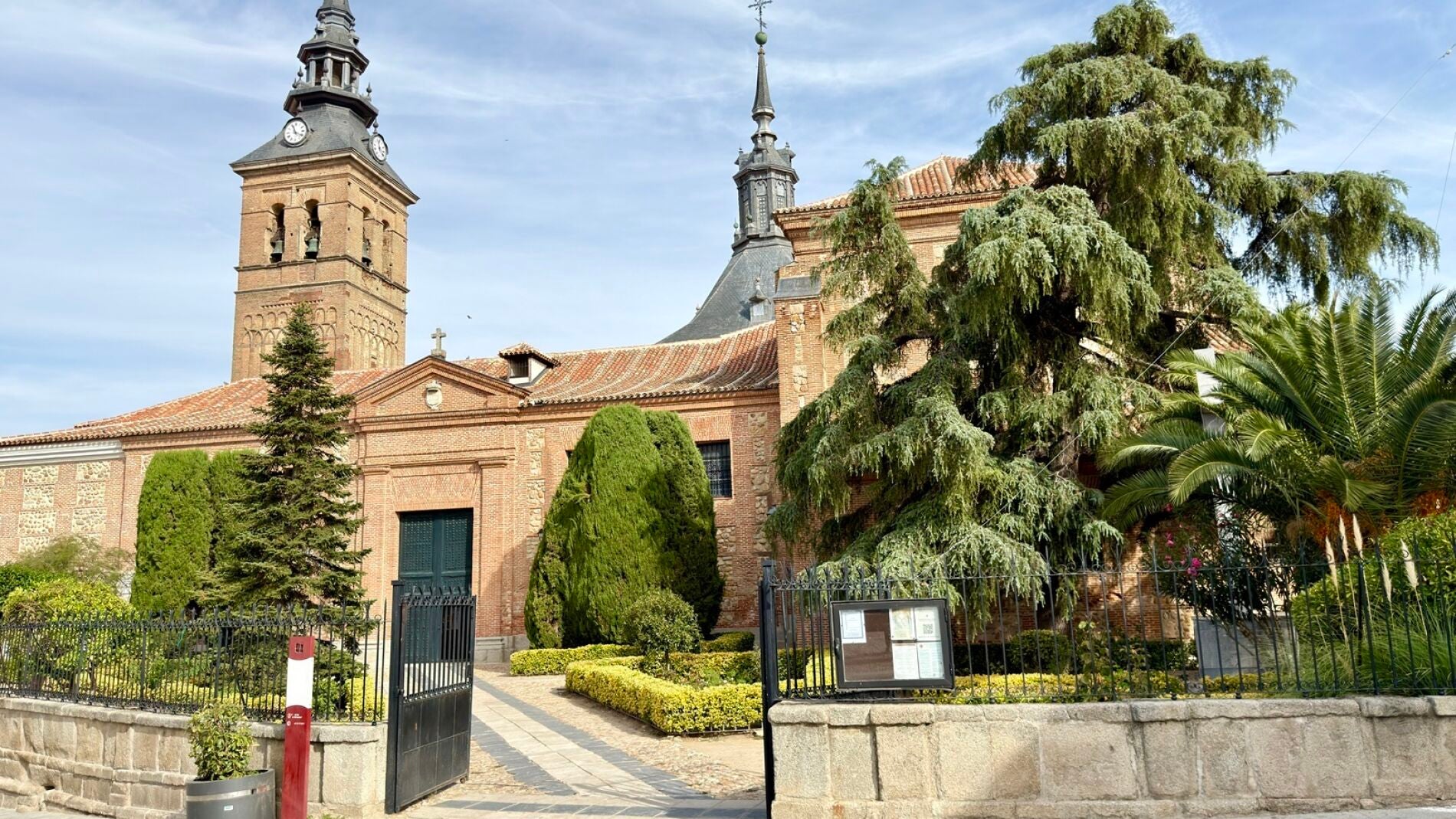
The central route begins at the Plaza de Segovia, the heart of Navalcarnero, which features traditional timber-framed arcades and historical facades. From the square, walking paths lead toward the Church of Nuestra Señora de la Asunción, Calle Real, and the Plaza del Mercado.
The official tourist route promoted by the Professional Association of Tourist Guides of Madrid, known as APIT Madrid, starts in Plaza de Segovia and highlights the historic and winemaking identity of the municipality.
Historic town square and royal heritage
Navalcarnero holds the formal title of Villa Real, or Royal Town, following a major royal event in the 17th century. On October 7, 1649, King Philip IV married Mariana of Austria in a religious ceremony held in the oratory of the Casa de la Cadena.
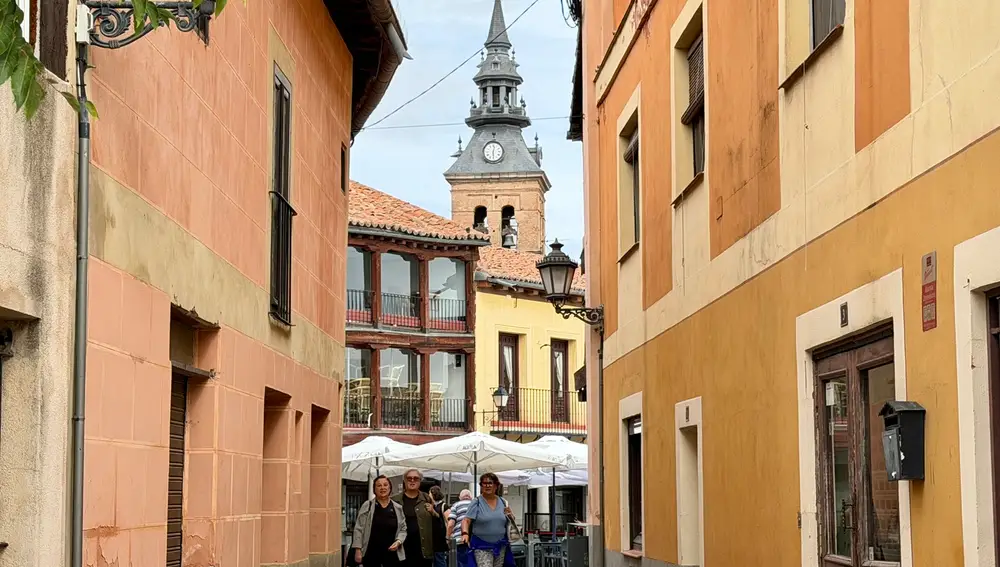
Two years after the nuptials, in 1651, King Philip IV officially granted Navalcarnero the title of Villa Real to recognize the town's hospitality during the royal wedding celebrations.
The current facade of the Casa de la Cadena is a 19th-century reconstruction based on an engraving from that era, maintaining the memory of the royal marriage that shaped the town's historical status.
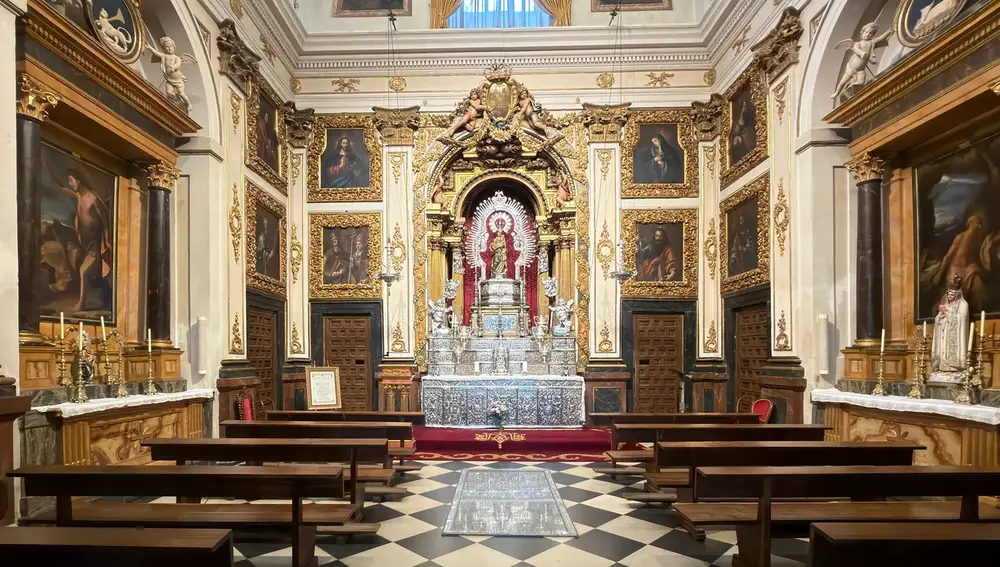
Urban murals and subterranean winemaking
Visitors walking through the town center can view urban trompe-l'œil mural paintings created on building facades. The artworks play with architecture and perspective to depict scenes of daily life across street walls.
Wine production forms a central element of Navalcarnero's local identity. The municipality represents one of four official subzones of the D.O. Vinos de Madrid wine designation, alongside Arganda, San Martín de Valdeiglesias, and El Molar.
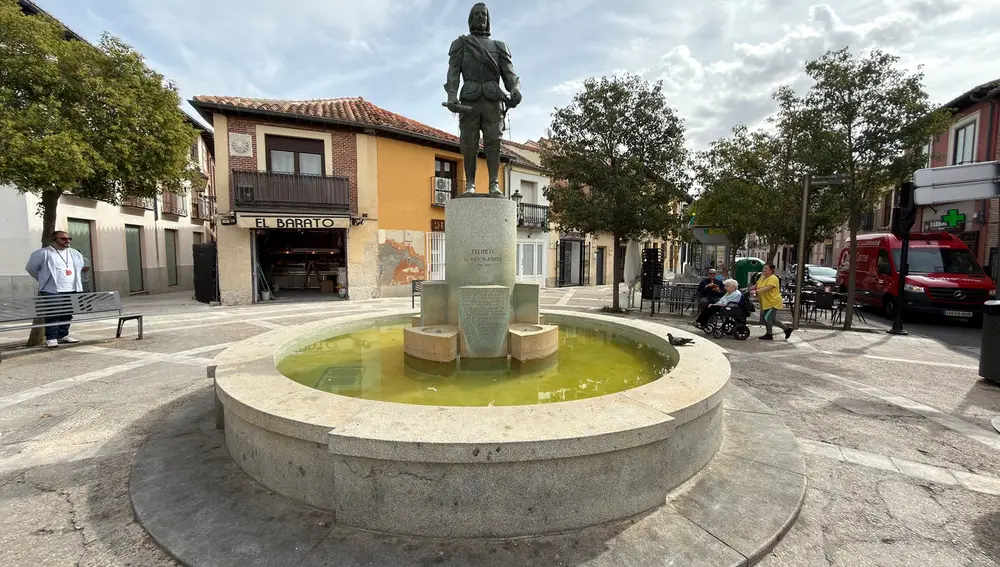
Vineyards in the Navalcarnero subzone focus primarily on Garnacha Tinta red grapes and Malvar white grapes. The area maintains a long history of viticulture and wine processing.
Beneath the old town, hand-excavated wine caves preserved across generations maintain stable temperatures for storing wine. Several of these underground cellars are included in local tourist itineraries.
Historic cellars and seasonal wine events
Bodegas Muñoz Martín operates in the historic center as a landmark winery. Founded in 1930 and managed by the fifth generation of the founding family, the facility combines its original underground cave and wooden beams with modern production equipment.
The winery produces several wines under the D.O. Vinos de Madrid label, including Viña Jesusa, Pecado Original, and Sedro. Visitors can tour the facilities during municipal events and purchase bottled wines directly from the cellar.
During the autumn season, Navalcarnero expands its wine programming with harvest-focused initiatives. Municipal activities include guided winery tours, wine tastings, and educational routes covering the town's enological history.
Traditional gastronomy and artisanal pastries
Local gastronomy centres on traditional regional dishes, including roast lamb and small game. The town's flagship dish is the Olla del Segador, or Reaper's Pot, a hearty spoon stew related to Madrid's classic cocido madrileño that incorporates rice and fresh spearmint.
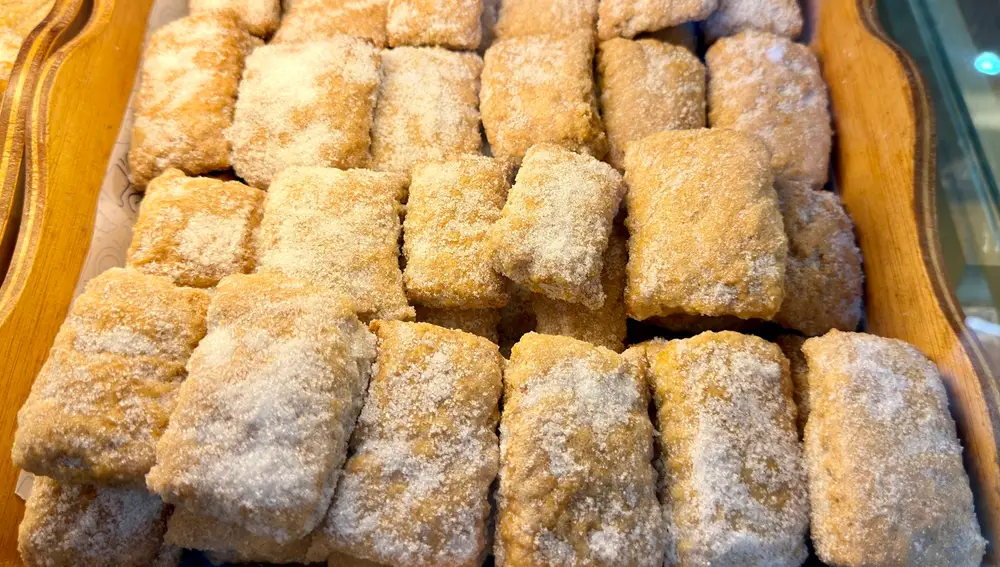
Before returning to Madrid, visitors often stop at Casa Capote, a traditional bakery and pastry shop operating in Navalcarnero. The family-run business produces traditional bollos de aceite, or olive oil buns, using a recipe passed down across generations.
The bakery also prepares a wide range of artisanal breads, puff pastries, and sweet baked goods, offering visitors an edible souvenir to conclude their trip to the historic municipality.