French actress and humorist Mimie Mathy has revealed that she has been left paralyzed in the lower body after developing cauda equina syndrome, a severe neurological condition affecting the lower spine. Speaking during an appearance on the French television network TF1, the 69-year-old performer confirmed she now relies on a wheelchair and will not be able to walk again.
Mathy disclosed her diagnosis on the Sunday news magazine show Sept à Huit, explaining that the neurological disorder has caused a complete loss of mobility in her legs after four surgical operations failed to relieve nerve compression in her lower back.
The veteran television star explained that her condition developed due to a severe narrowing of her spinal canal, a complication linked to her achondroplasia. Achondroplasia is a genetic disorder that stands as the most common form of dwarfism, affecting overall bone growth and physical development while increasing the vulnerability of the spinal cord to compression.
Mathy is one of the most recognizable figures on French television, best known for playing the titular lead character in Joséphine, ange gardien, a long-running fantasy comedy-drama series on TF1. The flagship commercial network has broadcast Sept à Huit as its premier Sunday evening current affairs program for over two decades.
Understanding cauda equina syndrome
According to the Foundation for Medical Research, cauda equina syndrome is a rare but serious neurological impairment. Local newspaper Le Dauphiné Libéré notes that the disorder targets the lower section of the spinal column, specifically between the L1 and L5 lumbar vertebrae and the sacrum. It occurs when the bundle of spinal nerves extending through the lower back suffers severe pressure or structural damage.
The nerve collection derives its name from the Latin phrase for a horse's tail, owing to the distinct fan-like appearance of the nerve fibers as they extend past the termination of the main spinal cord. Under normal conditions, these critical nerve roots transmit vital sensory signals and motor control commands between the brain, pelvic organs, and lower extremities.
Medical literature notes that physical lesions causing cauda equina compression can stem from herniated discs, tumors, traumatic accidents, or lumbar spinal stenosis. The syndrome typically triggers acute lower back pain alongside radiating pain and loss of sensation across the lower extremities. Affected individuals may also experience severe urinary or fecal incontinence as well as sexual dysfunction.
Surgical treatment and long-term outlook
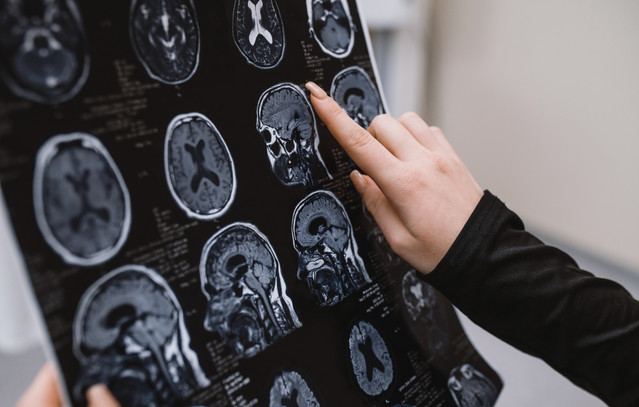
In its most severe manifestations, the nerve damage leads to progressive walking difficulties, muscle weakness, and complete paralysis of the legs. Once diagnosed through magnetic resonance imaging, known as an MRI scan, patients require prompt surgical intervention to decompress the trapped nerve roots and prevent permanent neurological damage.
Mathy stated that she underwent four separate surgical procedures intended to widen her spinal canal and free the trapped nerves responsible for lower body mobility. However, surgical efforts to alleviate the pressure proved unsuccessful in her case, leaving the actress with permanent lower body paralysis and an ongoing loss of physical independence.