


Thick, dense fur helps animals survive freezing temperatures and shields their skin from wind and sun. In a dozen or so species around the world, it also does something else: it makes the animal look like a walking ball of wool. From a Turkish rabbit bred purely for its coat to a Siberian horse whose winter fur grows up to 8cm thick, here are some of the fluffiest animals on the planet.
The list includes animals from the planet's most extreme cold regions, where a dense coat is a matter of survival, alongside domestic breeds whose plush fur is the result of selective breeding rather than climate.
Angora rabbits and alpacas

The fluffiest animal in the world is the Angora rabbit. Its long, soft fur grows so quickly that the breed is raised almost exclusively for its wool, known as angora fibre, one of the softest natural fibres and a common addition to knitwear. The rabbits originated in Turkey, and their name comes from Angora, the old name for the capital, Ankara.

Alpacas are prized for a coat that is soft, lightweight and has some of the best thermal insulation properties of any animal fibre. The fibres trap a layer of air that helps the animal stay warm even in the harsh climate of the high Andes in South America, where alpacas, domesticated relatives of the llama, originate.
The fluffiest dog breeds
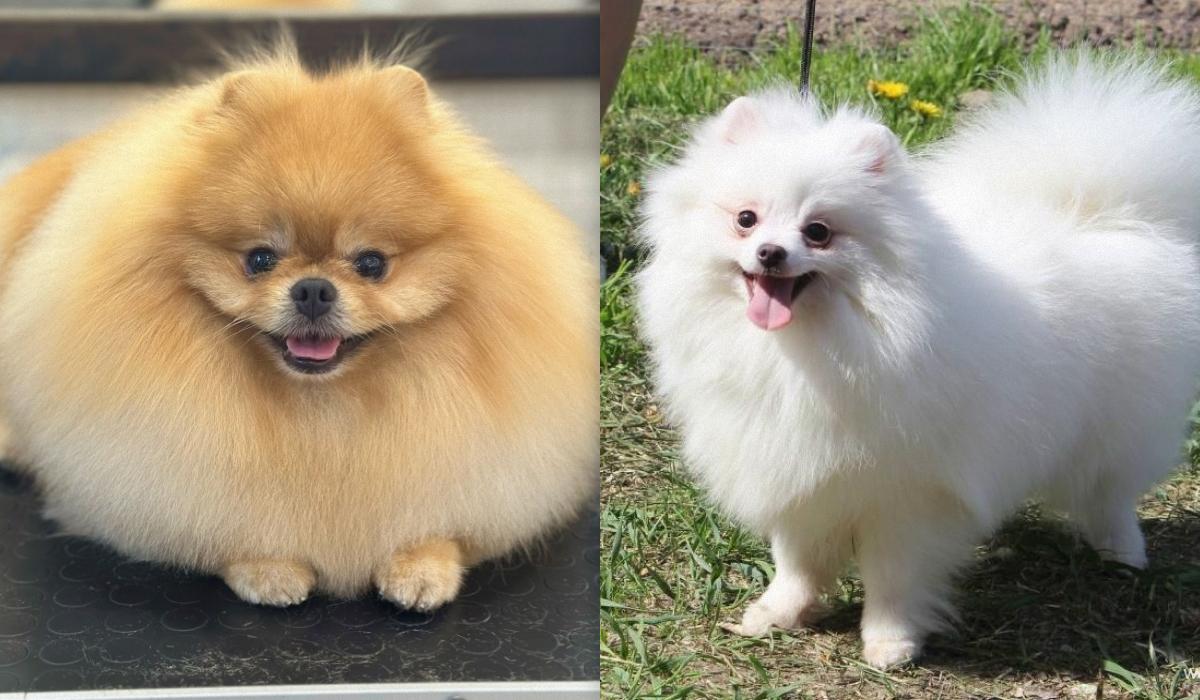
Among dogs, the Pomeranian is most often ranked the fluffiest breed in the world. Weighing around 3kg, it carries a dense double coat with a thick undercoat and long fur around the neck and chest. The breed, a descendant of larger sled-pulling spitz-type dogs, takes its name from Pomerania, a historical region on the Baltic coast.

The Samoyed is a medium-sized dog with a dense undercoat and thick, snow-white fur that keeps the animal warm and protects it from snow, ice and damp. The breed comes from Siberia, where for centuries Samoyeds helped local herders manage reindeer and pull sleds.
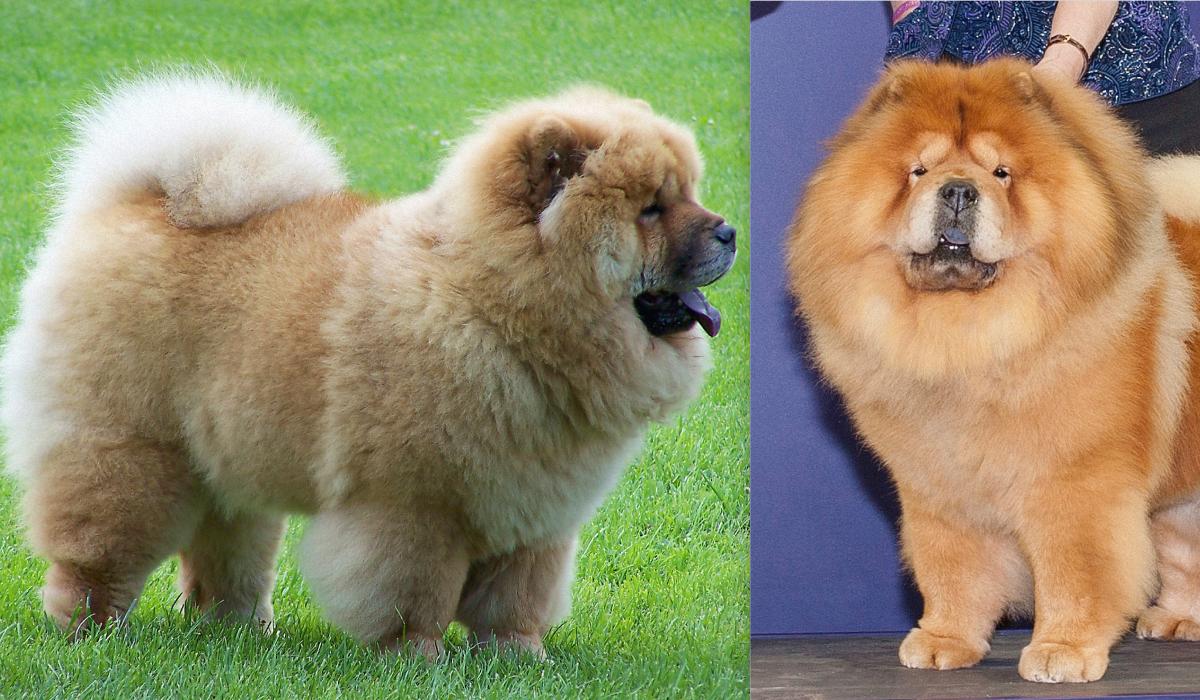
The chow chow's defining feature is its thick double coat and the lion-like ruff of fur around its head, though some chow chows have long, coarser fur while others have short, smooth coats. One of the oldest known dog breeds, the chow chow originates in China, where it has been recognised for several thousand years.
Animals built for the Arctic cold
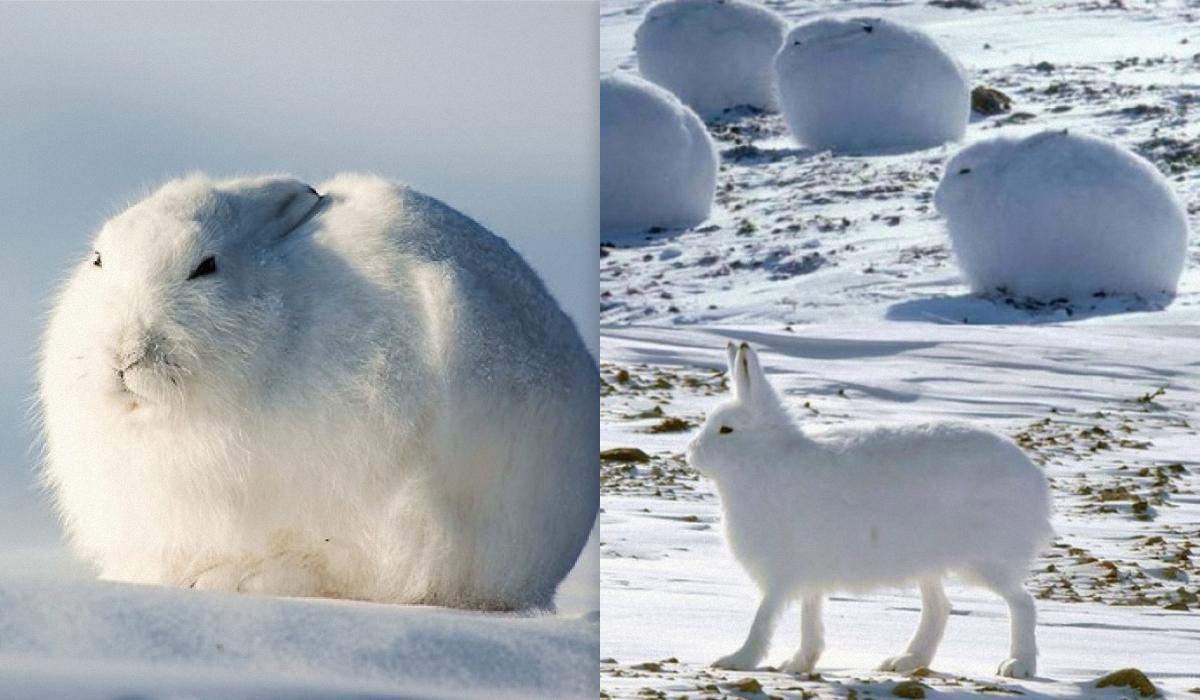
Every part of an Arctic hare's body is built to conserve heat. In winter its fur grows long, dense and soft, and its short ears press flat against its body and disappear into the thick coat when needed. Arctic hares live in the Arctic regions of North America and Eurasia.
Thick undercoats and dense fur that help retain heat are common among animals native to the far north, but long, heavy coats are not limited to cold latitudes. Deserts can also turn bitterly cold at night and in winter, so several animals from warmer regions have equally plush fur.
Musk oxen and Arctic foxes
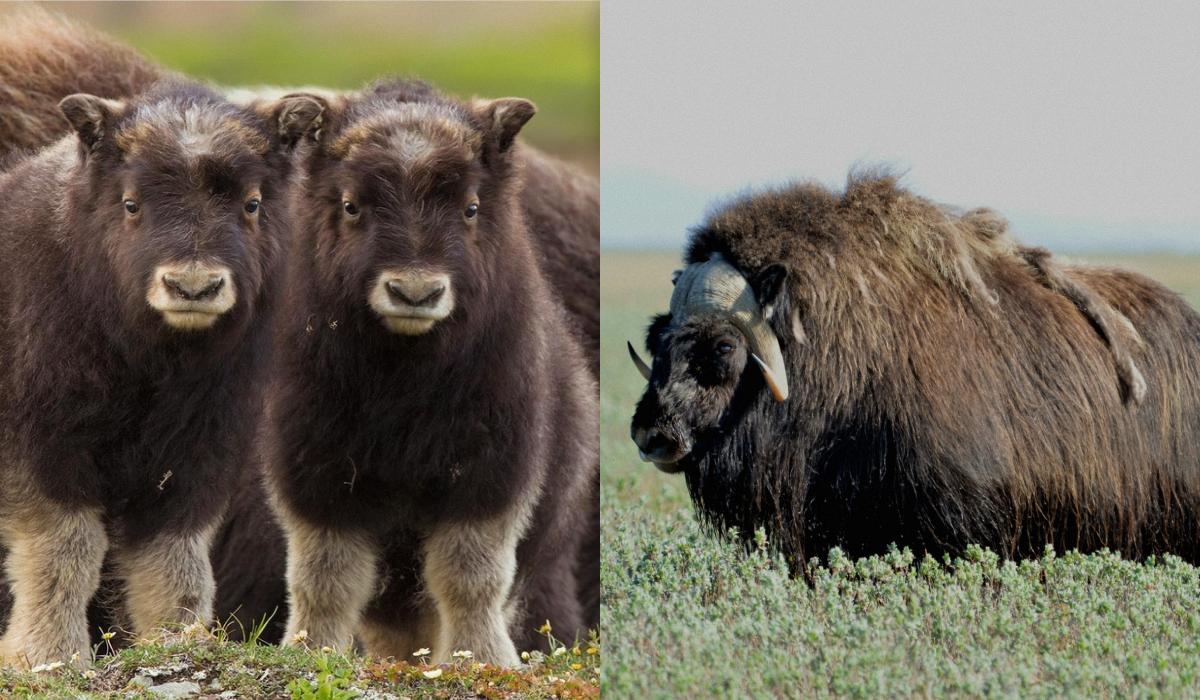
The musk ox is covered in long, shaggy fur that hides an extremely dense undercoat, sometimes called qiviut, which keeps the animal warm through winter while the longer outer hair protects it from snow, wind and cold. Musk oxen live in some of the harshest Arctic regions of North America, Greenland and Siberia.

The Arctic fox is one of the predators best adapted to extreme cold. In winter its fur covers even its paws, and its bushy tail helps it balance as well as keep warm, acting as a blanket. The small predator is found throughout the Arctic.
Persian cats and bichon frises
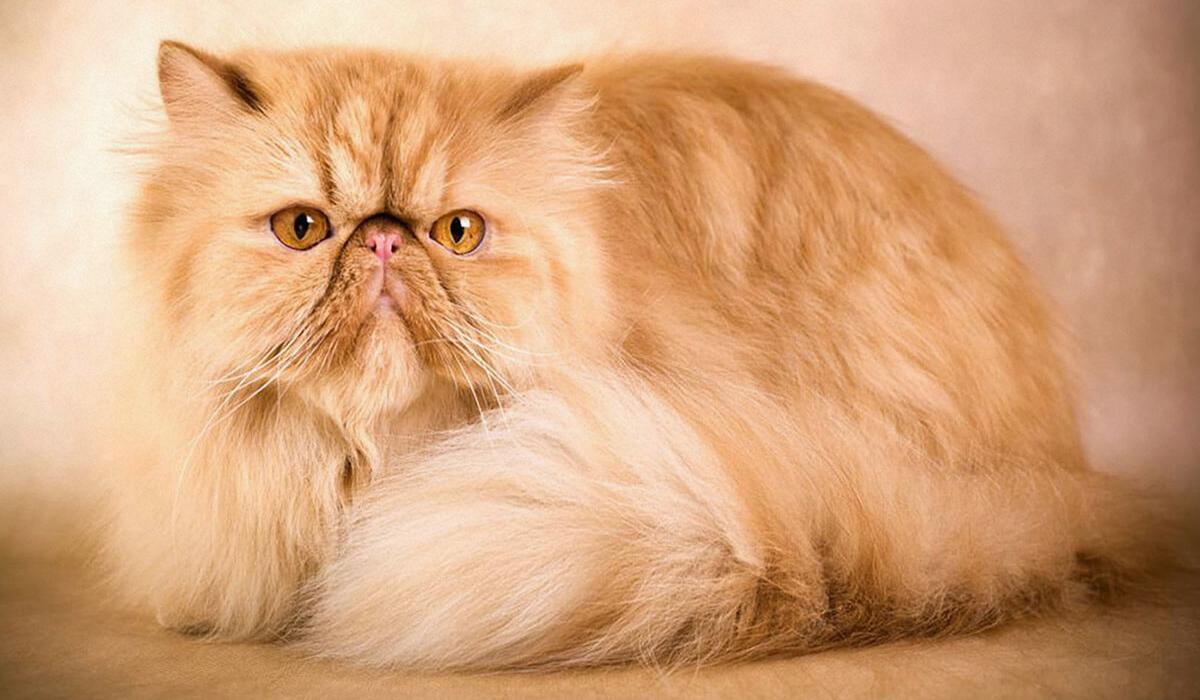
The Persian is the fluffiest cat breed, with a silky coat that can grow to 12-15cm long, visually almost doubling the animal's size. Unlike the Arctic animals on this list, the Persian owes its luxurious coat not to a harsh climate but to centuries of selective breeding by humans. The breed originates in Persia, the historical territory that is now Iran.

The bichon frise's curly, very dense coat gives the dog the appearance of a small white cloud. Its fur grows continuously and sheds very little on its own, which means it quickly becomes matted without regular grooming. The small breed became especially popular in France in the 16th century.
Mountain goats, manuls and Yakutian horses
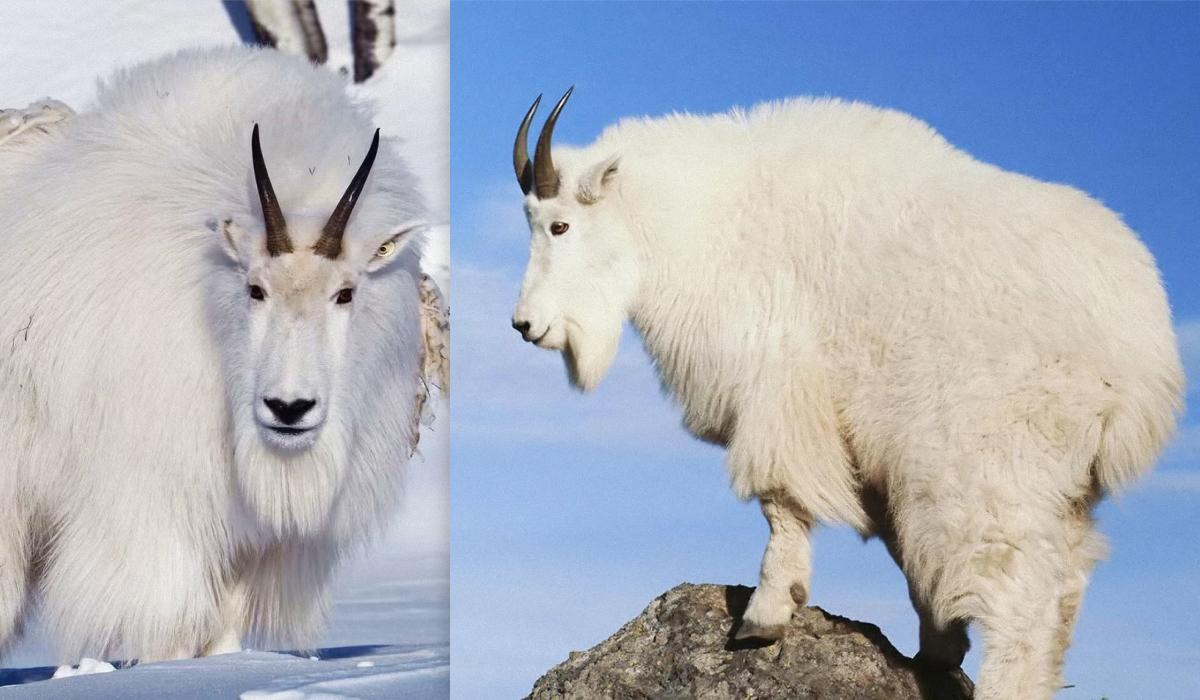
The mountain goat is covered in a dense undercoat and long fur that protects it from severe cold and wind at high altitude. In spring the animal sheds its excess coat by rubbing against rocks and trees. It lives in the Rocky Mountains of the United States and Canada.

The manul, also known as Pallas's cat, looks larger than it is thanks to fur that reaches around 7cm long with a density of up to 9,000 hairs per square centimetre, an extraordinarily thick coat for an animal roughly the size of a domestic cat. The dense fur protects the manul from the cold of the steppes and mountains of Central Asia.

The Yakutian horse is small but grows a very dense coat up to 8cm long by winter, with the undercoat becoming especially thick with fine hairs. One of the most cold-adapted horse breeds in the world, it originates in Yakutia, in Siberia, where winter temperatures below -50C are common.


