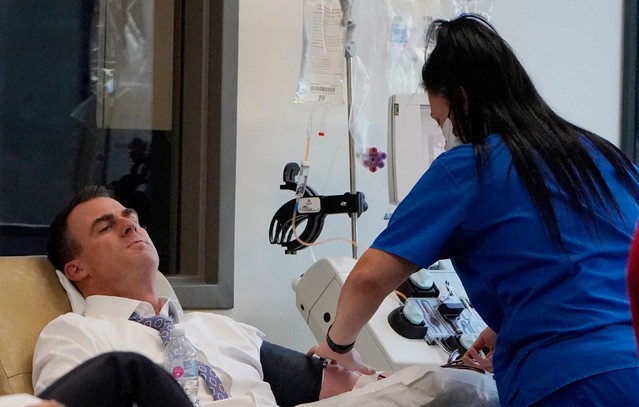
The death of Greek singer Giorgos Mazonakis has put the medical procedure known as plasmapheresis, or therapeutic plasma exchange, in the spotlight, after unconfirmed reports said he had been due to undergo the treatment. No link has been confirmed between the procedure and the cardiac arrest he suffered.
Mazonakis is a well-known Greek singer. His death has prompted wider questions about how plasmapheresis works and which patients are advised against having it.
Therapeutic plasma exchange is a specialised procedure in which plasma, the liquid component of blood, is removed and usually replaced with albumin or donor plasma. The blood cells themselves are returned to the patient's body. The aim is to remove specific harmful substances, such as antibodies that damage tissue and organs.
Who Should Avoid the Treatment
Not every contraindication amounts to a permanent ban. Some require the treatment to be postponed until the patient stabilises, while others call for changes to the materials used or the way the procedure is carried out.
The main conditions that can prevent the safe start of plasmapheresis include:
- Severe low blood pressure or unstable circulation, which needs to be assessed and treated first, since shifts in fluid levels can worsen the patient's condition
- Lack of safe, adequate venous access, since the session cannot go ahead without the required blood flow
- A known severe allergy to the replacement fluids or anticoagulants used, meaning patients should not be exposed to the responsible material unless a safe alternative has been identified
- Serious systemic infection, particularly when combined with circulatory instability, which requires specialist assessment before deciding whether and how the treatment can proceed
- Low calcium levels or recent use of certain blood pressure medicines known as ACE inhibitors, both relative contraindications that may need correction or adjustment by a doctor
Conditions That Require Careful Checks
Other conditions call for close monitoring rather than automatic exclusion.
- Severe anaemia: haemoglobin levels and overall condition are assessed before the session, since the procedure removes plasma rather than deliberately targeting red blood cells
- Clotting disorders or bleeding: plasma exchange can reduce clotting factors, making the choice of replacement fluid and laboratory checks especially important
- Serious heart problems: managing fluids and electrolyte changes requires particular care and close monitoring
Kidney failure alone is not a barrier to the treatment. Plasmapheresis is in fact used for certain kidney conditions when there is an appropriate therapeutic reason to do so.
Medical Team Makes the Final Call
The decision on whether to proceed is made by a specialised medical team, based on the patient's diagnosis, test results, medication and overall condition. No treatment should be stopped without medical guidance.