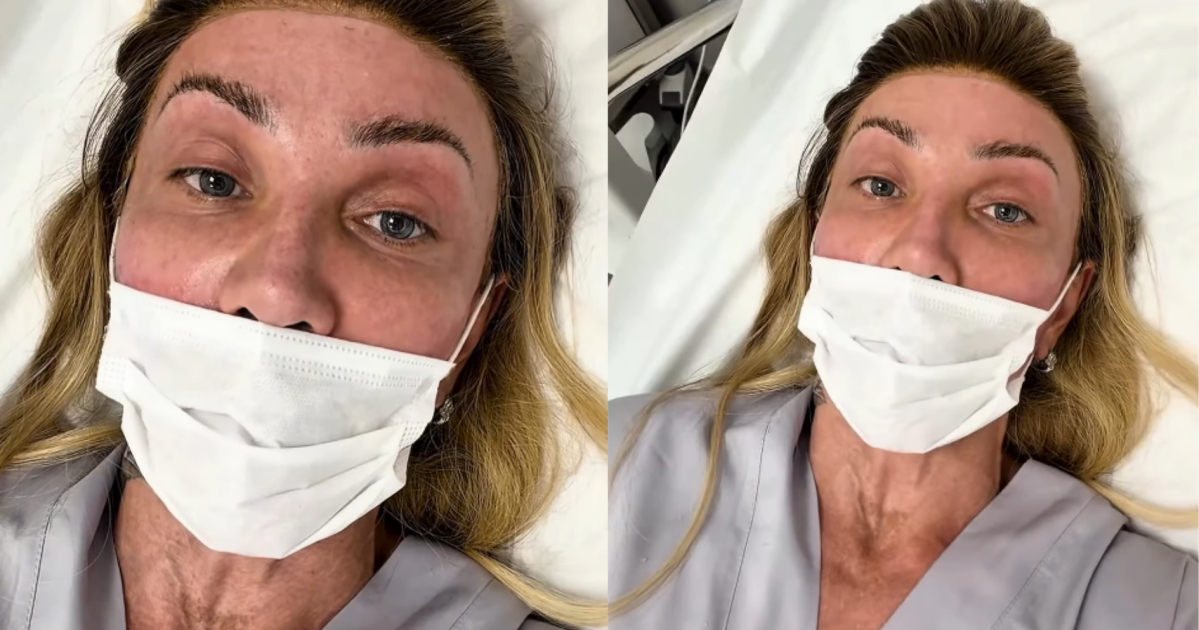
Brazilian influencer Maya Massafera was hospitalized on Sunday, August 30, to undergo urgent medical examinations following a suspected stroke.
The hospital admission was prompted by medical concerns over exceptionally high cholesterol levels identified during a routine evaluation. Subsequent tests ruled out a cerebrovascular accident, and Massafera later confirmed that her health parameters improved after adjusting her hormone therapy.
Posting on Instagram, Massafera explained that her physician had urged immediate testing after identifying abnormal lipid levels, warning that the condition could potentially lead to a stroke. She informed her followers that the diagnostic procedures yielded normal results, reassuring fans ahead of her upcoming reality show appearance.
Her hospitalization triggered widespread discussion on social media regarding the term stroke onset, commonly referred to in Portuguese as princípio de AVC. Medical experts noted that while the phrase is widely used in lay conversations, it is not a recognized clinical diagnosis.
Medical Clarification of Stroke Warning Signs
Speaking to CNN Brasil, Dr. Christina Coelho explained that colloquial references to an impending stroke typically describe one of two distinct medical scenarios: a Transient Ischemic Attack or early warning signs preceding a stroke. Coelho, a professor of neurology at Afya Educação Médica São Paulo who holds a doctorate in neurosciences, detailed the physiological mechanism of temporary ischemic events.
Coelho stated that a transient ischemic attack occurs when a temporary blockage obstructs a blood vessel delivering blood to the brain. She noted that the obstruction resolves spontaneously before causing permanent damage to brain tissue. In medical reference literature, a transient ischemic attack is often characterized as a temporary neurological dysfunction that serves as a critical warning indicator for future cardiovascular events. A full stroke, by contrast, results in lasting tissue necrosis when blood supply is interrupted for a prolonged period.
Hormone Therapy and Cardiovascular Risks
Addressing public questions surrounding hormone treatments, Dr. Renata Bussuan outlined how hormone therapy influences cardiovascular health. Bussuan, president of the Brazilian Society of Transgender Medicine and postgraduate endocrinology coordinator at Afya Educação Médica, stated that stroke risk associated with hormone use depends heavily on the specific hormone type, dosage, and administration route.
Bussuan highlighted that underlying conditions such as obesity, diabetes, and hypertension significantly elevate cardiovascular risk for individuals undergoing hormone regimens. She noted that feminizing and masculinizing treatments present different physiological patterns. Estrogen therapy is primarily associated with an increased risk of thrombosis, whereas testosterone therapy elevates hematocrit levels, which can lead to vascular complications.
Thrombosis refers to the formation of blood clots inside blood vessels, which can impede normal circulation, while hematocrit measures the proportion of red blood cells in the bloodstream. Elevated hematocrit thickens the blood, increasing systemic vascular resistance. Bussuan emphasized that patients on testosterone must monitor hematocrit levels carefully, particularly when receiving high dosages or frequent injections. She advised continuous medical supervision, including regular complete blood counts, hormone evaluations, and liver function testing.
Preventative Measures and Lifestyle Habits
Neurologist Carolina Alvarez emphasized that adopting healthy daily habits remains the single most effective method for preventing cerebrovascular accidents. Alvarez listed key preventive measures, including refraining from smoking, engaging in regular physical exercise, maintaining a balanced diet, and rigorously controlling blood pressure, diabetes, and cholesterol.
Alvarez stressed that potential cardiovascular risks should not lead patients to avoid hormone therapy altogether. She explained that with personalized medical evaluations and proper clinical follow-up, healthcare providers can select the appropriate hormone type, dosage, and delivery method for each individual patient. Patients undergoing hormone therapy are advised to maintain routine appointments with their physicians to track blood markers and manage potential risk factors effectively.