

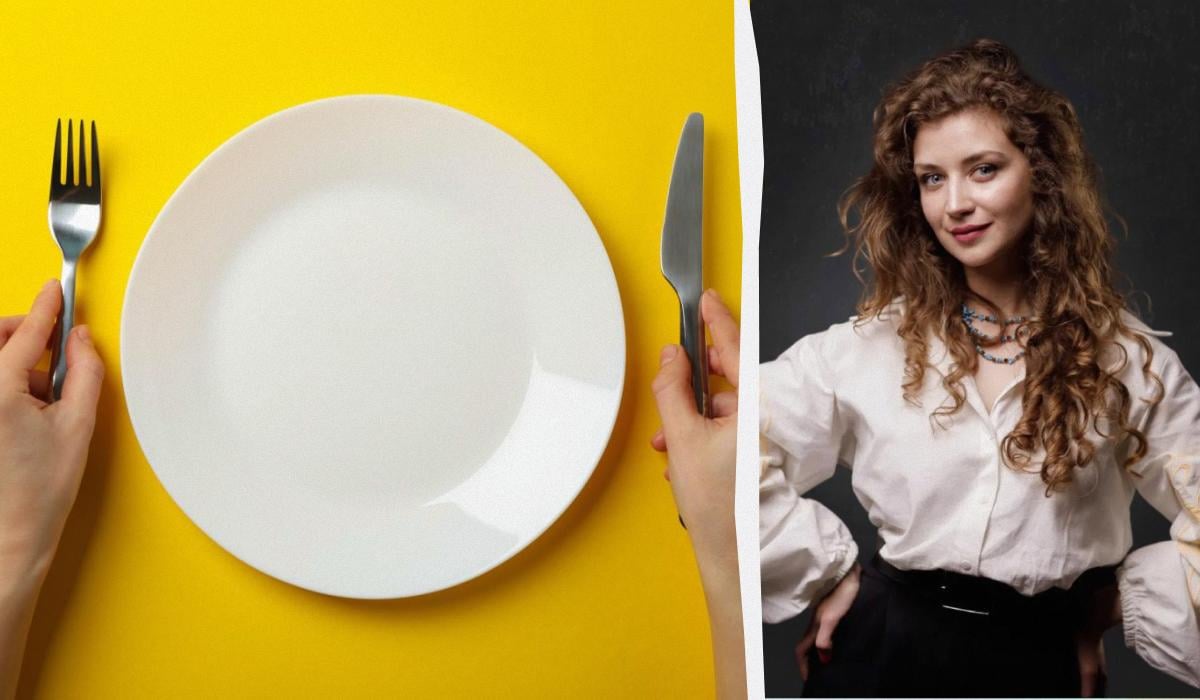
Ukrainian linguist Mariia Slovoliub has explained on Facebook how grammar rules dictate whether objects stand, lie or sit in space. The choice between verbs such as to stand, to lie and to sit depends on an item's shape, support and typical placement rather than simple physical orientation.
In a post on her Facebook page, Slovoliub said that terms like to stand, to lie, to sit and to hang belong to a category known as positional verbs. She explained that these verbs do not merely indicate where an item is located, but describe its precise arrangement. She noted that verb selection cannot be reduced to a basic rule where vertical objects stand and horizontal objects lie.
Positional verbs are grammatical markers used in linguistics to specify how objects or living beings interact with surrounding surfaces. While English often relies on general location verbs like to be, Ukrainian and other Slavic languages use distinct positional verbs to convey stability, orientation and contact points in everyday conversation.
Plates, cutlery and stationery
Illustrating her point, Slovoliub pointed to everyday household items such as plates. A plate is said to stand on a table despite its horizontal position because it rests on its bottom in its typical stable state. However, that same plate is described as lying if placed in a kitchen sink, where the spatial situation changes as it may be flipped over or rest among other dishes.
A similar principle applies to cutlery. Spoons and forks typically lie on a table because they are laid flat without a distinct base. Slovoliub added that if a person deliberately places a spoon vertically, it can then be said to stand. Books and pencils follow comparable patterns, as a book stands on a bookshelf but lies on a table, while a pencil lies on a desk but stands inside a glass where it rests on the container bottom.
Living creatures and posture
Addressing animate objects, Slovoliub clarified why a sparrow is said to sit on a tree branch even though the bird physically stands on its legs. She said that for a living creature, sitting refers primarily to a specific body posture rather than a direction in space. By contrast, a stuffed sparrow mounted for display would stand on a base.
Slovoliub summarized that verb selection depends on the shape of an object, its support, its placement relative to a surface or container, its standard position, and body posture for living beings. In earlier guidance, the linguist explained the correct Ukrainian terms for crutches, wheelchairs and stretchers.


