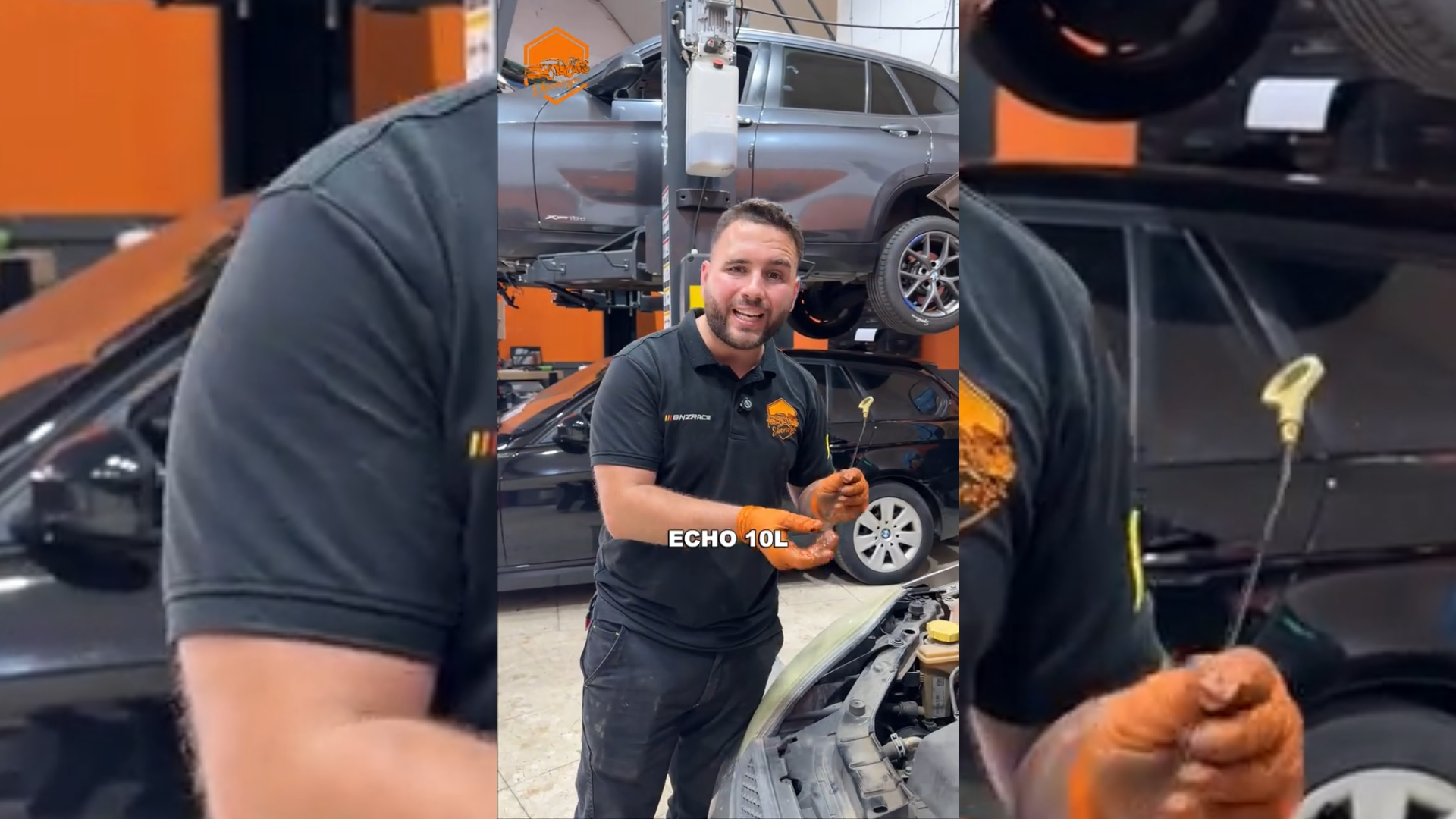
Madrid mechanic Juan José Ebenezer has warned that checking a car's oil level incorrectly can lead to catastrophic engine failures and thousands of euros in repair bills.
Ebenezer said many drivers make common mistakes that can seize the engine. He described a relative who found their dipstick showed no oil and added 10 liters of lubricant to bring it from the minimum to maximum mark. Ebenezer noted the relative almost destroyed the car if the problem had not been caught in time.
In a more serious case, a driver at a gas station filled their oil tank to the top, thinking it was the correct level. Ebenezer explained the driver started the car, left the station, and seized the engine. The excess oil created overpressure that burst the turbo and destroyed the inside of the engine. He stated that a car cannot be filled to the top with oil.
Ebenezer recommended drivers check their oil level every two or three months, or every 3,000 kilometers. He said while modern vehicles have digital gauges, the traditional dipstick remains reliable when used correctly.
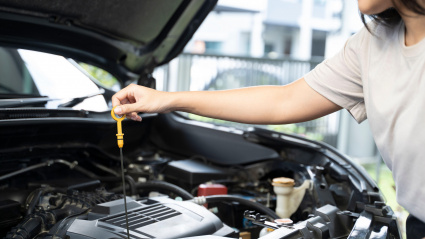
Dipstick measurement

The measurement must be taken with the car stopped. Ebenezer said it is best to check with a warm engine, but drivers should wait 10 or 15 minutes after stopping. This allows all the oil to drain down and settle in the sump, which he described as a bathtub at the bottom of the engine where the oil accumulates.
After waiting, the driver should remove the dipstick, wipe it clean with paper or a cloth, insert it fully, and remove it again to get a correct reading.
The dipstick has marks for minimum and maximum levels. Ebenezer clarified that the oil should not be at the maximum line. He said the ideal level is between halfway and three-quarters full, which guarantees optimal lubrication without risks.
Oil refilling process
Ebenezer advised against adding large amounts of oil at once if the level is low. He recommended adding small batches of half a liter when in doubt.
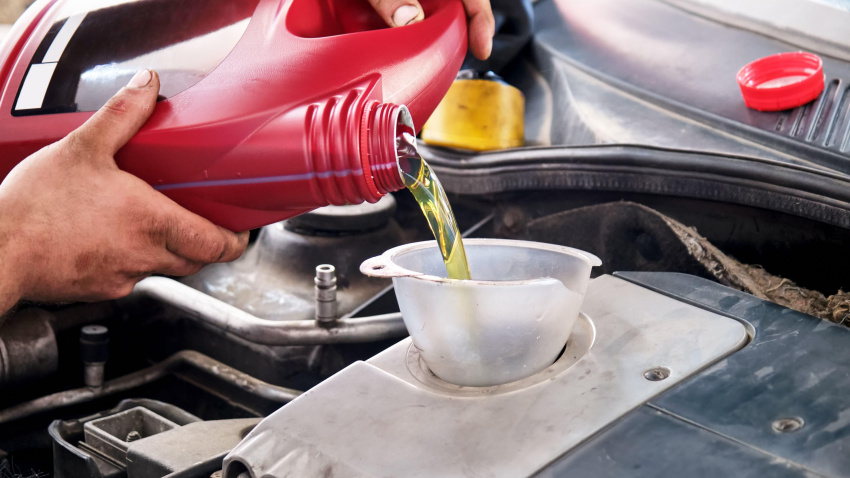
After adding a small amount, the driver should wait a few seconds and check the dipstick again, repeating the process until reaching the target mark.
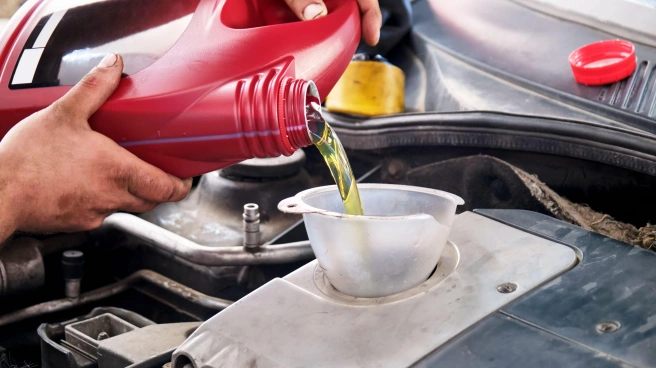
Drivers should stop filling when the level nears the three-quarter mark. Ebenezer said it is crucial to use the specific oil recommended by the manufacturer or the one used during the last maintenance.
Ebenezer also warned that an oil level above the maximum mark can be a danger sign. He said during the regeneration cycles of particulate filters in diesel engines, fuel can pass into the oil. This raises the fluid level and degrades the lubricant, making regular dipstick checks essential.