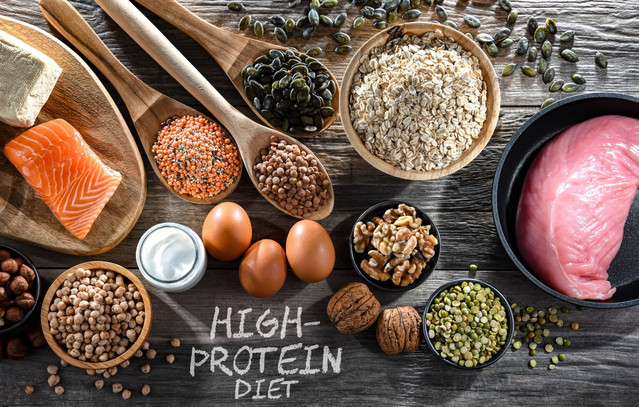
A new scientific review published in the journal Cell Press Blue has evaluated whether restricting protein intake can improve metabolic health and support healthy aging, challenging the widespread nutritional trend of consuming high protein foods. Researchers Bailey A. Knopf and Dudley W. Lamming analyzed more than 350 studies investigating protein and amino acid restriction, metabolic function, and longevity.
The authors concluded that while moderate protein restriction yields beneficial effects on metabolism, inflammation, mitochondrial function, and aging pathways in experimental animal models, there is currently no direct evidence demonstrating that reducing protein intake extends human life.
The review examined total protein intake alongside specific amino acids, paying particular attention to methionine, isoleucine, and valine. Prior scientific reviews focusing on amino acids and lifespan had established that restricting specific amino acids in animal models can replicate several metabolic benefits of low protein diets.
Recent mouse research highlighted in the review showed that restricting valine improved multiple health markers and increased median lifespan by approximately 23 percent in male mice. Female mice in the same study did not show a corresponding increase in lifespan. The research laboratory recorded this finding in its 2026 scientific publications.
Knopf and Lamming emphasized that these animal findings highlight the risk of turning preliminary scientific data into oversimplified public health advice to cut protein for longevity. The underlying biological mechanisms relate to how cells detect the presence or scarcity of nutrients.
Cellular Nutrient Sensors and Cellular Maintenance
When protein and specific amino acids are abundant, cellular signaling pathways activate to promote growth and the synthesis of new cellular materials. This mechanism is essential for building muscle tissue and repairing body structures following physical stress.
However, chronic overactivation of specific nutrient sensing pathways, including those involving mTOR and GCN2, has been studied for years due to its connection to the aging process. The review details how protein restriction alters these signaling pathways, influences mitochondrial performance, and enhances cellular maintenance processes associated with healthy aging.
The hormone FGF21 serves as a key regulator in this biological response. Lower protein intake can elevate levels of FGF21, a hormone involved in controlling energy expenditure, blood glucose levels, and lipid metabolism in experimental models.
In specific mouse models summarized in the review, elevated FGF21 activity was linked to substantial lifespan extension, reaching roughly 30 percent in male mice and 40 percent in female mice. The authors cautioned that these animal results do not prove that a human reducing protein intake will experience a 30 to 40 percent increase in lifespan.
Autophagy represents another critical mechanism detailed in the paper. Autophagy is the natural process through which cells clear out, degrade, and recycle damaged internal components.
Modifying the availability of dietary protein and specific amino acids influences cellular repair, mitochondrial function, and oxidative stress. Modern research in nutritional gerontology demonstrates that the overall impact of dietary restriction depends on several factors, including age, sex, genetic background, the type of restriction applied, and the duration of the intervention.
Human Evidence and Official Protein Guidelines
Short term human trials have shown that altering dietary protein levels or amino acid ratios can influence blood glucose, fat mass, and other metabolic indicators. However, researchers stress that these short term physiological changes are far from proving that protein reduction extends human life.
The review authors noted that translating experimental findings into actionable dietary recommendations for humans requires extensive further research. They also pointed out that general guidelines suggesting all adults consume 1.2 to 1.6 grams of protein per kilogram of body weight daily do not apply as a universal rule.
In Europe, the European Food Safety Authority set a Population Reference Intake of 0.83 grams of protein per kilogram of body weight daily for healthy adults. This reference level applies to the general healthy adult population and is not an individualized target for every person regardless of age or activity level.
Daily protein needs vary substantially depending on individual circumstances. Athletes, pregnant women, people recovering from severe illness, and older adults at risk of muscle loss require tailored dietary approaches.
The Older Adult Paradox and High Risk Groups
As individuals age, body composition changes and muscle mass gradually declines, while the body becomes less efficient at using dietary protein for muscle protein synthesis. Because of this physiological shift, international expert panels advise higher protein intake for older adults than the standard baseline for younger adults.
The PROT-AGE Study Group recommends that most healthy adults over age 65 consume between 1.0 and 1.2 grams of protein per kilogram of body weight daily. The group advises even higher intake levels for older adults who remain physically active or have increased physiological requirements.
Similarly, an international expert group on muscle function in older adults recommends 1.0 to 1.2 grams per kilogram daily for healthy seniors. For older individuals facing acute or chronic illness or those at risk of malnutrition, the group suggests 1.2 to 1.5 grams per kilogram, with intake tailored to individual health profiles.
Unmonitored protein reduction in older adults can be counterproductive, accelerating sarcopenia, which is the progressive loss of skeletal muscle mass and strength.
The review emphasizes that several specific populations should avoid experimenting with low protein diets without medical supervision:
- Older adults with sarcopenia or at risk of malnutrition
- Children and growing adolescents
- Pregnant and breastfeeding women
- Athletes and individuals participating in strength training
- People recovering from surgery, injury, or severe illness
Protein Source, Amino Acid Ratios, and Future Research
Determining an individual's actual protein requirement requires evaluating multiple factors beyond age, including body weight, body composition, total calorie intake, physical activity levels, kidney function, and general health status.
The review suggests that scientific discussion should shift from total protein volume to the source and composition of protein consumed. Different dietary sources provide varying proportions of methionine, isoleucine, valine, and other amino acids.
Plant based diets typically present different amino acid profiles compared to diets heavy in animal protein. A scientific review on plant based diets and longevity indicated that a lower total protein load and altered amino acid intake represent potential mechanisms contributing to the health benefits associated with plant based eating patterns.
Knopf and Lamming concluded that dietary recommendations regarding longevity should avoid rigid nutritional dogma. While moderate protein restriction and specific amino acid reduction improve metabolic health in animal models, optimal protein requirements change over a person's life, requiring tailored intake based on age and health status.