


Journalist Ksenia Dorofeeva published a detailed gift guide on the Russian news site Lenta.ru on August 21, 2026, outlining practical, hobby, tech, sports, and keepsake presents for children entering first grade.
The guide arrived as families across Russia prepared for September 1, traditionally celebrated as Knowledge Day. The annual occasion marks the official start of the school academic year across the country, characterized by festive assemblies, formal uniforms, and children carrying floral bouquets for their new teachers.
Dorofeeva noted that selecting the right gift can help a child adjust to school life, support their studies, or lift their spirits after a long day in the classroom.

Useful stationery and study tools
Dorofeeva highlighted that practical gifts work best when they combine utility with items that bring joy to the child. School supplies and stationery items should feature bright colors, attractive patterns, or designs based on the pupil's favorite books and animated characters. Writing sets can be enhanced by adding gel pens, metallic inks, or other distinctive pens.
Backpacks were cited as one of the most effective choices for new pupils. Dorofeeva recommended selecting models equipped with orthopedic back support, reflective security elements, and durable hardware. She advised buyers to evaluate the empty weight of the bag, noting that young children must carry it once heavy textbooks are placed inside.
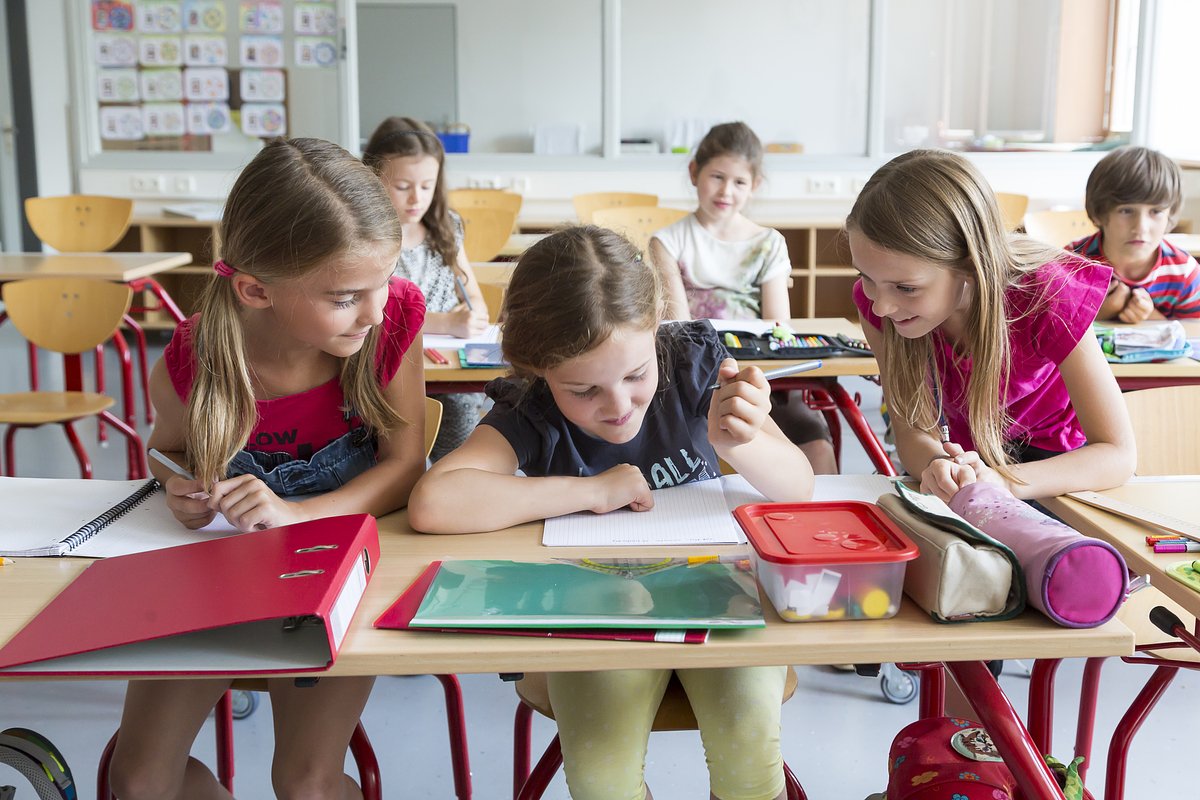
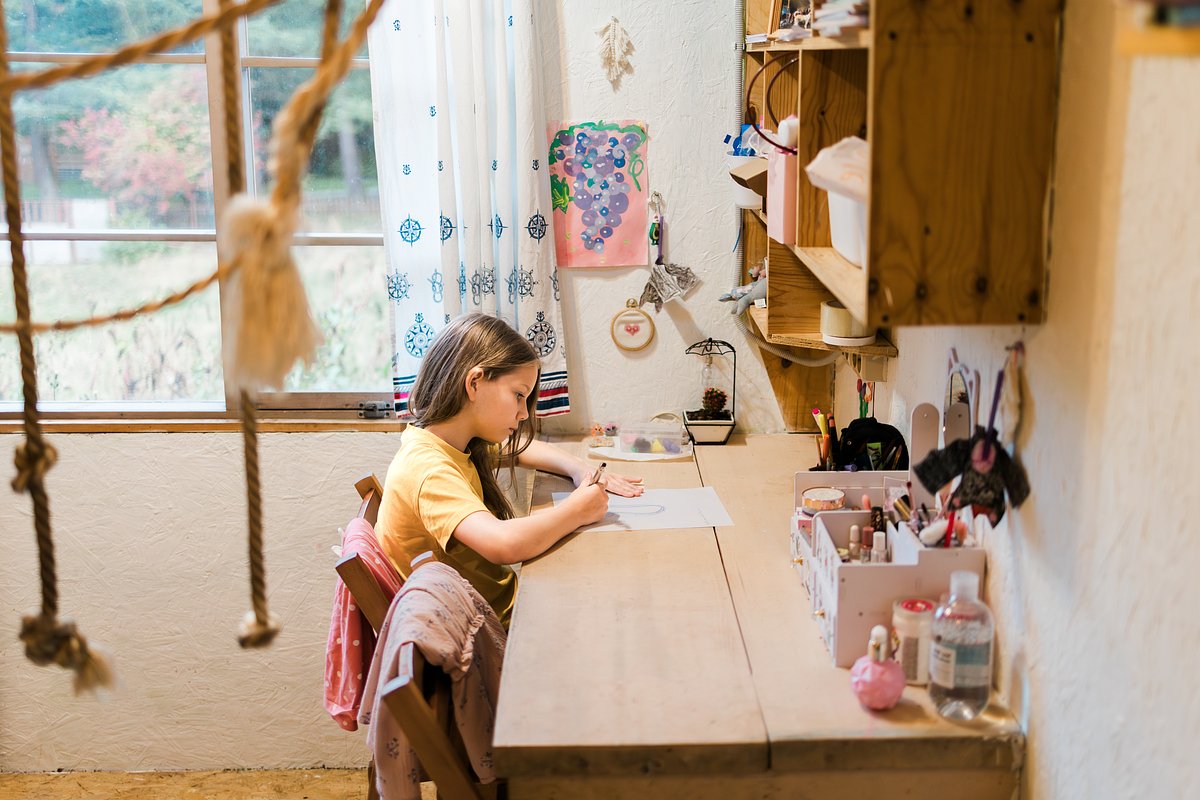
Desks and workspace organization accessories were also recommended to help children develop neat habits. Useful items include pencil cups, textbook stands, notebook shelves, gadget holders, or matching desk accessory sets. Modern desk lamps with touch dimmer controls and orthopedic chairs with adjustable seat and backrest heights were also featured in the guide.
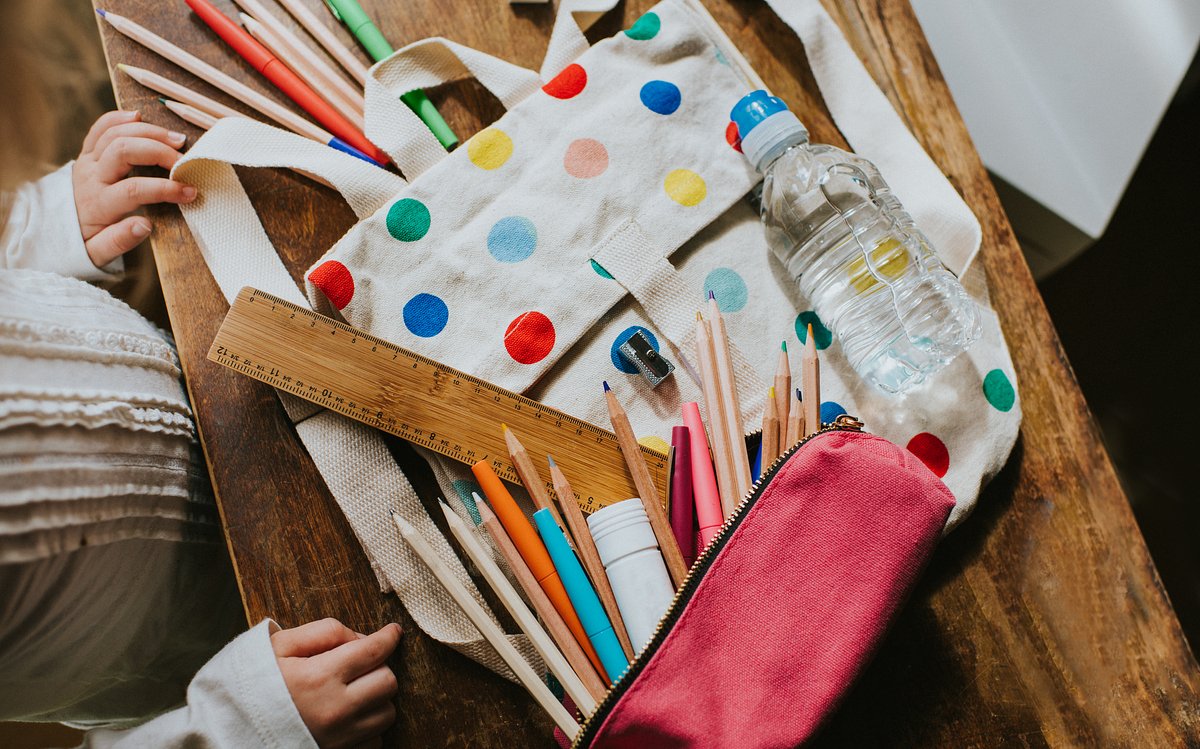
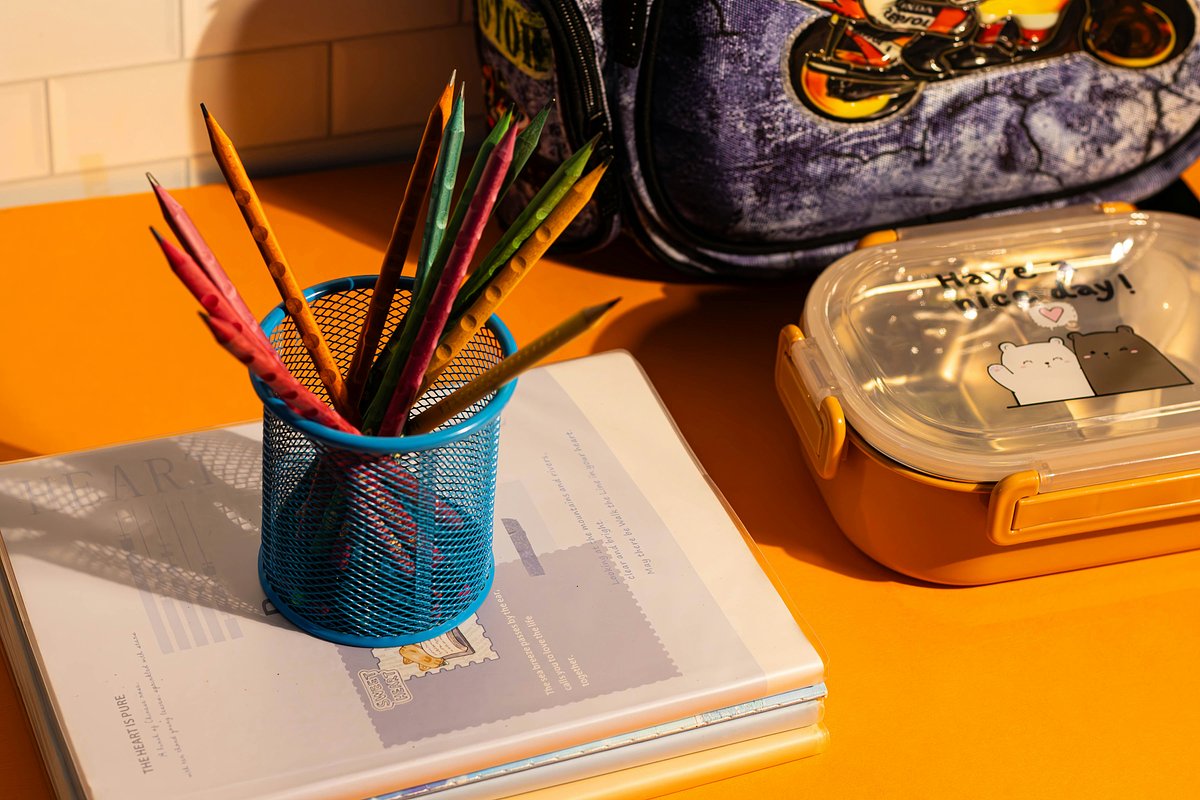
Additional practical items suggested in the report include notebook sets, pencil collections, lunchboxes, pencil cases, drawing kits, tabletop globes, and reusable water bottles. The guide also listed magnetic or chalk writing boards, small item storage organizers, world wall maps, children's encyclopedias, microscopes, telescopes, hourglasses for time management, children's daily planners, and piggy banks featuring combination locks.
Creative hobby sets for boys and girls
Dorofeeva emphasized that gifts aligned with a child's personal interests are more likely to be used regularly rather than stored away. Sculpting kits containing air clay, special dough, polymer clay, or soft modelling compounds allow older children to build complex figures. Embroidery kits were recommended for developing patience, fine motor skills, and focus through creative activity.
Construction toys, including traditional Lego bricks, robotics building sets, metal construction kits, and illuminated 3D puzzle sets, were highlighted for young builders. Dorofeeva also recommended expanding a child's board game collection with titles focused on logic, memory training, social icebreakers, or family entertainment, alongside themed puzzles for movie enthusiasts. Science experiment sets covering chemistry and physics were also listed for curious pupils.
The guide provided separate hobby recommendations tailored for girls and boys. For girls, Dorofeeva suggested diamond mosaic kits, jewelry making sets, paint by number kits, children's jewelry, child friendly perfume, anti stress coloring books, attractive pajamas, bath sets, and florariums. She also recommended interactive encyclopedias featuring fold out sections on topics such as space or fashion, themed umbrellas, dolls, dollhouses, and puppet theaters.
For boys, recommended hobby items included comic books, superhero costumes, engraving sets, 3D pens, crystal growing kits, binoculars, archaeological excavation kits, young naturalist kits, and young craftsman tool sets. Additional ideas included children's wallets, remote controlled cars, musical instruments such as ukuleles, guitars, or synthesizers, magic trick sets, slime making kits, and toy blasters.
Electronics and smart learning devices
Addressing modern technology, Dorofeeva noted that electronic devices have become integral to education, though parents should select items that do not cause unnecessary distraction during study hours.
The guide included an explicit advisory for relatives, godparents, or family friends purchasing tech gifts for someone else's child. Dorofeeva stated that any gadget gift must be cleared with the child's parents prior to purchase.
Recommended devices included children's headphones featuring built in volume limiters to protect hearing, with wireless options suggested if loss is not a concern. Smartwatches were presented as a practical alternative to smartphones, offering lower distraction levels while maintaining precise GPS geolocation tracking so parents can monitor their child's location.
For relaxation after school, the guide listed karaoke microphones to help children release stress. Starry sky nightlight projectors displaying constellations, northern lights, galaxies, and world maps were recommended for visual learners and young dreamers.
Other electronic gifts featured in the article included e readers, instant print cameras, smart speakers, audio players preloaded with fairy tales, robot pets, graphic drawing tablets, virtual reality headsets, and retro or modern video game consoles.
Active sports gear and fitness equipment
Dorofeeva pointed out that physical gifts encourage active lifestyles and provide essential movement for children who spend long hours seated at school desks.

Roller skates were highlighted as an engaging gift that offers families an opportunity to spend time together while teaching the child to skate. Two wheeled bicycles were described as a symbolic present representing a child's transition into a new stage of growth.
Children's dumbbells featuring bright colors or patterns were suggested to help establish morning exercise routines. For families with sufficient home space, Swedish wall climbing bars were recommended to help pupils build strength, endurance, coordination, and physical balance.
The guide also outlined numerous smaller athletic items, including jump ropes, children's exercise equipment, footballs, basketballs, boomerangs, badminton sets, kick scooters, protective helmet and pad sets, and outdoor hiking equipment. Additional options included sports jerseys carrying the child's favorite team logo, stopwatches, boxing gloves, sports uniform bags, masterclass gift certificates with professional athletes, skateboards, and snow racers.
Commemorative gifts and personalized keepsakes
To mark the milestone occasion, Dorofeeva suggested sentimental keepsakes that families can treasure over time. Photo albums containing printed photographs from birth through the child's first school day offer a structured record of early childhood.
These photo collections can be expanded into customized books containing written wishes and messages from family members and friends. Personalized everyday items, such as bathrobes or towels featuring embroidered initials, named cutlery sets, custom smartphone cases, and t shirts printed with family photos, were also featured.
Dorofeeva concluded that commemorative keepsakes work best when given alongside a practical or fun gift, ensuring the pupil receives both a memorable souvenir and an item for immediate enjoyment.


