

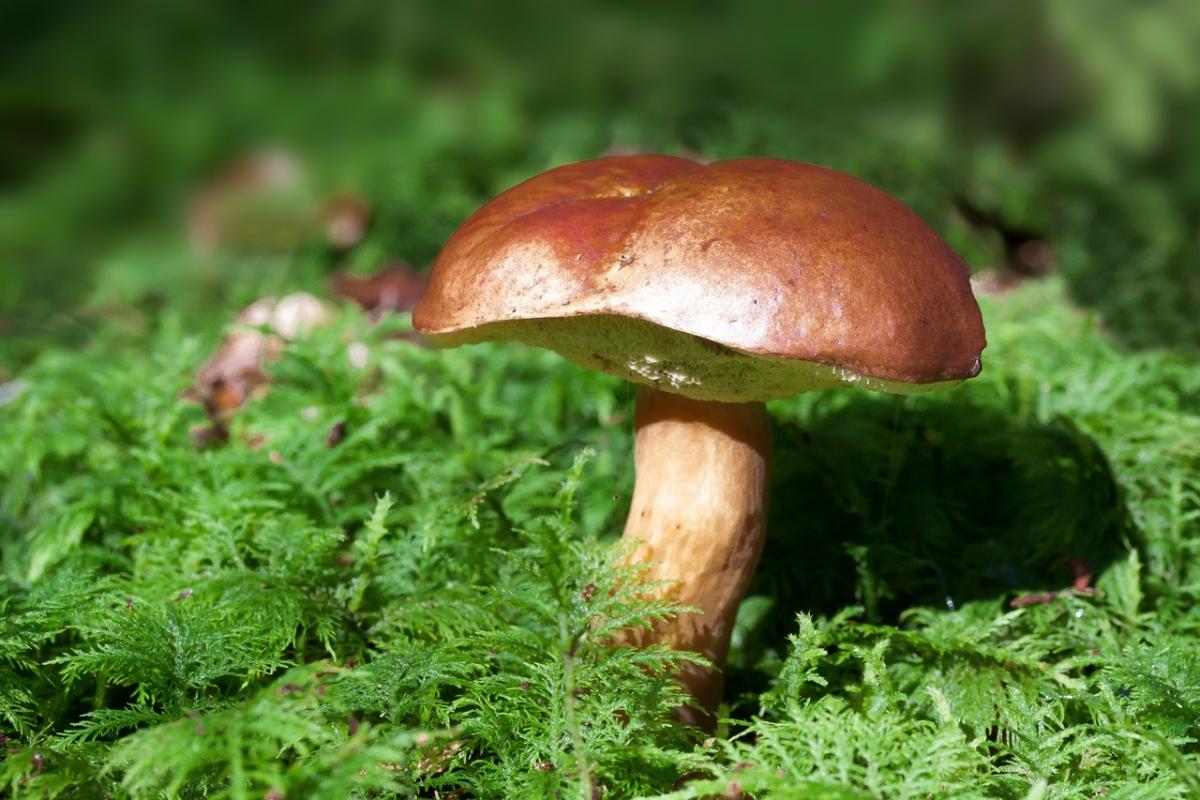
Mushroom foragers should avoid harvesting large specimens because overgrown fungi accumulate toxic heavy metals and damage forest ecosystems, according to Polish lifestyle website kobieta.interia.pl.
While gatherers often celebrate finding giant mushrooms with caps as wide as dinner plates, these large fruiting bodies can cause organ damage and severe poisoning symptoms. Consuming overgrown specimens risks delivering toxic substances to the liver and kidneys, even when the mushroom shows no visible signs of spoilage or infection.
The report noted that eating these old edible fungi can trigger classic poisoning symptoms, including abdominal pain, nausea, vomiting, and diarrhea. Additionally, large mushrooms are frequently infested with forest pests and lose their culinary value as their flesh turns spongy and tasteless, lacking the firm texture prized by mushroom enthusiasts.
Toxin accumulation in giant mushrooms
Mushrooms complete their lifespan rapidly, meaning a large fruiting body is actually an aging organism undergoing rapid biological degradation. The longer a mushroom remains in the woods and expands, the more time and surface area it has to absorb pollutants from both the surrounding soil and the air.
Even if invisible to the naked eye, these large organisms act as environmental reservoirs, concentrating hazardous heavy metals such as lead, cadmium, and mercury. Heavy metals are toxic metallic elements that accumulate in biological tissue over time, posing severe health hazards when consumed by humans.
Ecological role and forest regeneration
Leaving large mushrooms undisturbed in the woods is a matter of safety and environmental preservation. Overgrown caps play a vital role in species reproduction by releasing millions of spores that drop onto the woodland floor to germinate and build new fungal networks.
Removing giant mushrooms deprives the surrounding forest of its natural capacity to recover. The spores develop into mycelium, which is the underground vegetative network of fungi that nourishes woodland soil and supports future fungal growth.
Locating active mushroom spots
Foragers seeking fresh mushrooms can use specific natural terrain markers to find productive gathering spots. The report highlighted forest edges located alongside streams and covered by thick layers of fallen leaves or moss as prime locations where moisture retention is highest.
Gatherers can test the soil by pressing down firmly with a boot. If a significant amount of water squeezes out under pressure, active mycelium is located nearby in the ground.


