Biochemist Jessica Inchauspe and other health specialists have recommended 10 minutes of simple indoor activities to replace an after-dinner walk when cold weather and rain keep people inside.
Inchauspe, a specialist in glucose management known as the Glucose Goddess, said people can go for a walk, play with their dog, tidy their flat or do calf raises at a work desk after eating. She added that because she is a very untidy person, she tidies her own flat very often to stay active without limiting post-meal movement to conventional exercise.
Writer Laura Rodrigáñez examined how people can stay active after dinner once autumn rains arrive and going outside after 9:00 pm with a coat and umbrella loses its appeal. Once in pyjamas, she noted, the body switches off its alertness and relaxes, leaving people wanting only a book or television remote rather than a 10-minute walk in the cold and rain, to the point that she joked about making late-evening activity proposals a criminal offence in the penal code.
Post-meal muscle activity and blood glucose uptake
While evening hormones guide the body towards rest, the metabolic system demands one final plan of action before sleep. Rodrigáñez noted that enjoying the sofa differs from turning the hours after dinner into an immobility competition, even if modern wellness culture often leaves people feeling their efforts are never enough.
Nutritionist Mariana Hidalgo urged people not to undervalue small movements made almost without thinking. She said that everyday movement, when repeated, becomes extraordinary, encouraging people to appreciate low-effort gestures already in their routine rather than adding another health obligation.
That principle explains the recommendation to walk after dinner. After eating, carbohydrates are digested and part of the resulting glucose enters the bloodstream, prompting the body to release insulin so tissues can absorb it.
When muscles contract, they increase their capacity to take up glucose and use it for energy, including through mechanisms that do not depend directly on insulin. The goal is not to burn off dinner, but to help the body make use of that glucose.
Everyday household chores as indoor exercise
Inchauspe, a French biochemist and author, stressed that those 10 minutes of post-meal activity need not be conventional exercise. A 10-minute walk is popular because it is accessible, requires no equipment or prior knowledge and allows almost anyone to adapt the pace and duration to their abilities.
Although tidying the house can feel as unappealing as walking outside, Rodrigáñez noted that indoor movement can be done almost inadvertently depending on space. Anyone who uses a mobile phone after dinner to answer messages or calls can stand and pace around the living room and bedroom instead of sitting on a chair or sofa, anchoring the movement to an existing habit without adding another chore.
Dancing, kitchen routines and pet play after dinner
Pharmacist Sento Segarra added that there is no need to run a half marathon and that cleaning the living room or dancing in it is enough. Playing one or two songs while clearing the table and tidying the kitchen encourages graceful movement almost without noticing.
Dancing takes much less effort to start than other activities, especially when a favourite song plays. It activates different muscle groups and supports emotional well-being through music, turning a few minutes into a moment of disconnection.
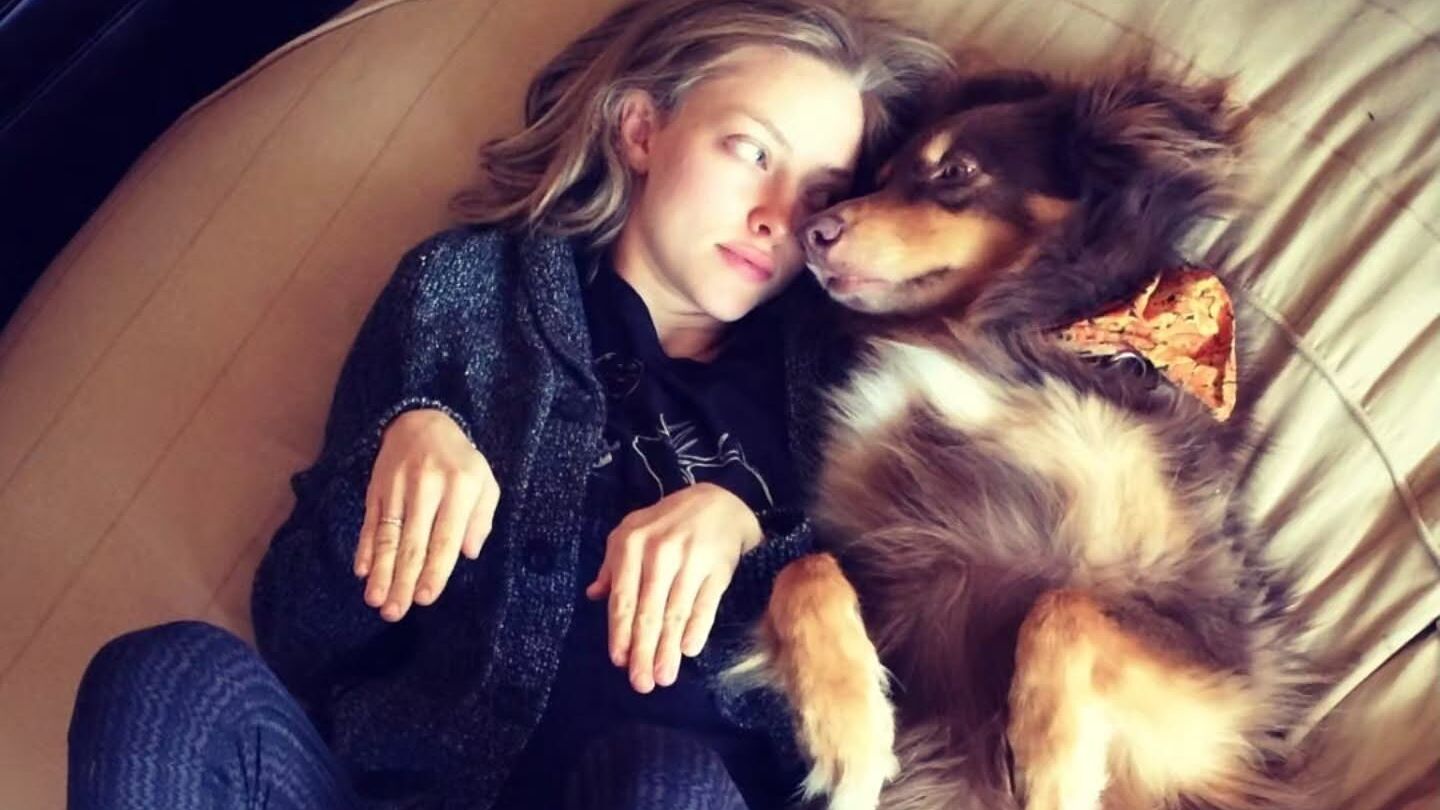
Pets also make natural companions for postprandial activity, the period immediately after a meal. Bending down to stroke a pet or accompanying it around the house breaks sedentary behaviour and activates muscles without feeling like exercise, while animal company reduces stress and beats staring at a screen after the pet has waited all afternoon.
The 60-minute post-dinner window and brain health
Physical conditioning expert Álvaro Puche recommended doing heel raises while brushing one's teeth to break sedentary behaviour within the 60 minutes after finishing a meal, a key window of opportunity for the body. Any creative activity involving gentle movement or muscle activation during that hour helps.
Segarra noted that these adaptable tricks also help the brain function better, lower inflammation and slow down ageing. Consistent muscular activity supports physical strength across decades.
Trainer Pablo Montaner said that although people lose muscle mass from age 30, some 60-year-olds are stronger than others at 25. Spanish television presenter Mercedes Milá, aged 75, said she lifted weights for a time, but it required such willpower that she told herself at 70 she would not try to be the ultimate gym-goer and now rides an electric bicycle.
Shared evening routines to interrupt sedentary habits
Turning those 10 minutes into a shared ritual rather than an obligation makes the habit easier to keep. Tidying the kitchen together, dancing with the person next to you or playing with a pet makes movement more pleasant and easier to repeat.
Because habits are contagious, company makes getting off the sofa much easier. The aim is not to turn the Spanish sobremesa, the traditional period spent relaxing at the table after eating, into a fitness competition, but to gently interrupt sedentary behaviour.
Hidalgo advised people not to underestimate simple actions that can be repeated every day, noting that what is ordinary, when it becomes constant, can give extraordinary results. On cold or rainy nights when putting a coat back on is unappealing, a song, a few minutes tidying the house or laps around the living room suffice before resting on the sofa under a blanket with a clear conscience.