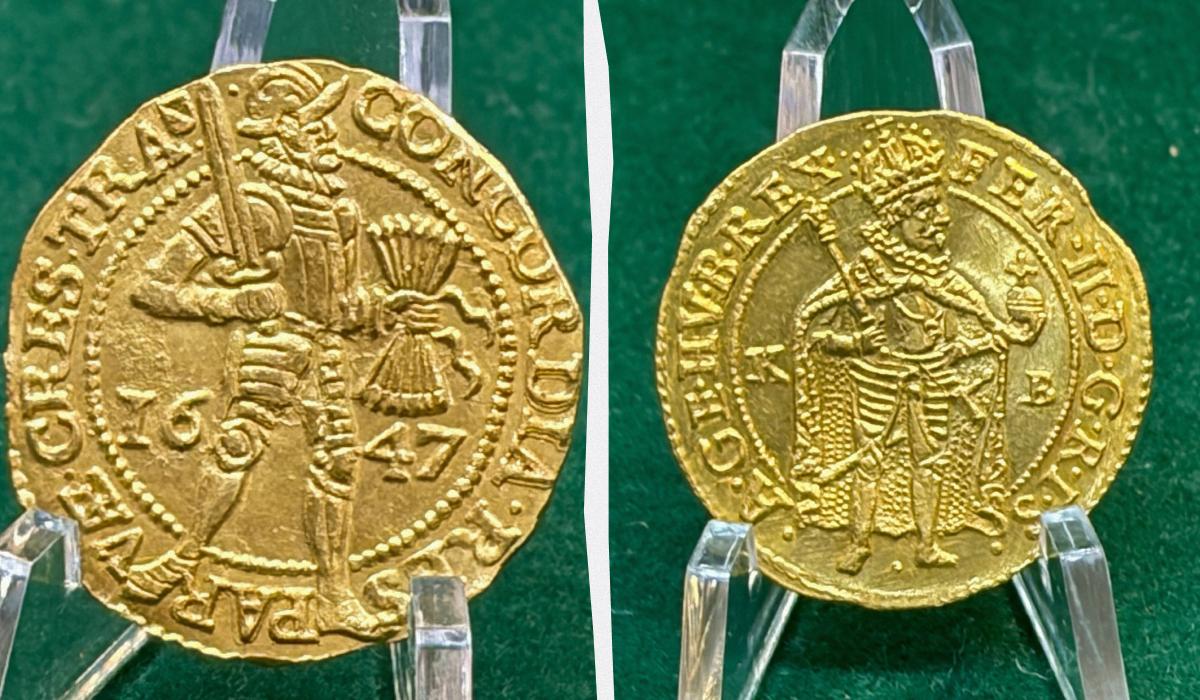
A temporary archaeological exhibition opened on November 13, 2026, at the Saint Sophia of Kyiv National Reserve, displaying gold coins and other finds from a 17th-century burial complex uncovered in the western Ukrainian city of Kremenets.
The exhibition, titled "Eternity, Paid for in Gold... Burial Complex of the 17th Century from Kremenets," shows items unearthed in August 2026 during archaeological research at St. Nicholas Cathedral in Kremenets, a town in the Ternopil region. Kremenets is a historic town in western Ukraine known for its hilltop castle ruins and centuries-old churches.
Historians say the find carries exceptional scientific value and is significant not only for Ukrainian heritage but also for the broader history and culture of Europe.
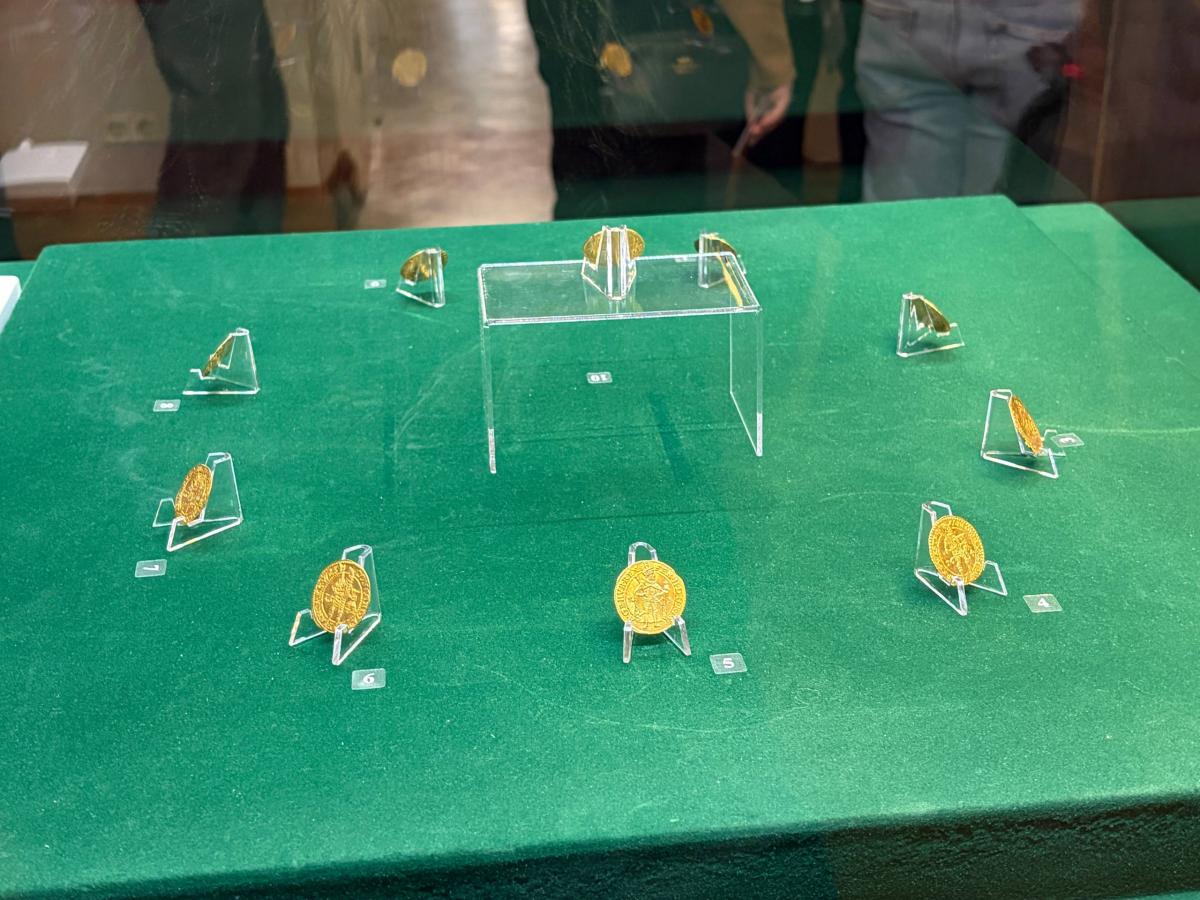
The centerpiece of the display is a set of ten gold coins minted between 1550 and 1648 in the Netherlands, Austria and Hungary. Historians say the coins point to the high social status of the person buried with them.
Why the gold coins mattered less than they seem
Vasyl Kovbasa, scientific secretary of the Kremenets-Pochaiv State Historical and Architectural Reserve, told a UNIAN correspondent that despite being made of gold, the coins actually held relatively little value at the time. He said the coins would not even have been enough to buy a good horse.
Kovbasa said large quantities of gold were being brought in from the New World during that period, while grain became effectively more expensive than gold. He said traders from the Polish-Lithuanian Commonwealth, known historically as the Rzecz Pospolita, exported food to the west and brought in gold in bulk. He said that if people of the time could afford to bury around 30 grams of gold with a person, that amount probably did not carry much weight.
Saint Sophia of Kyiv, where the exhibition is being held, is a UNESCO World Heritage cathedral complex in central Kyiv and one of Ukraine's best-known historic landmarks.
Remains of about 200 people found in crypts
Yuliia Ushkova, a researcher at the Institute of Archaeology of the National Academy of Sciences of Ukraine, said excavations carried out at the Kremenets-Pochaiv reserve in 2025 and 2026 found the bone remains of around 200 people in burial crypts.
She said about 40% of the remains belonged to men and roughly the same share to children, while women accounted for only about 16%. Ushkova said scientists have not yet established the cause of that imbalance.
Based on distinctive features of the bones, researchers were also able to determine that most of the buried adults had been horsemen.