

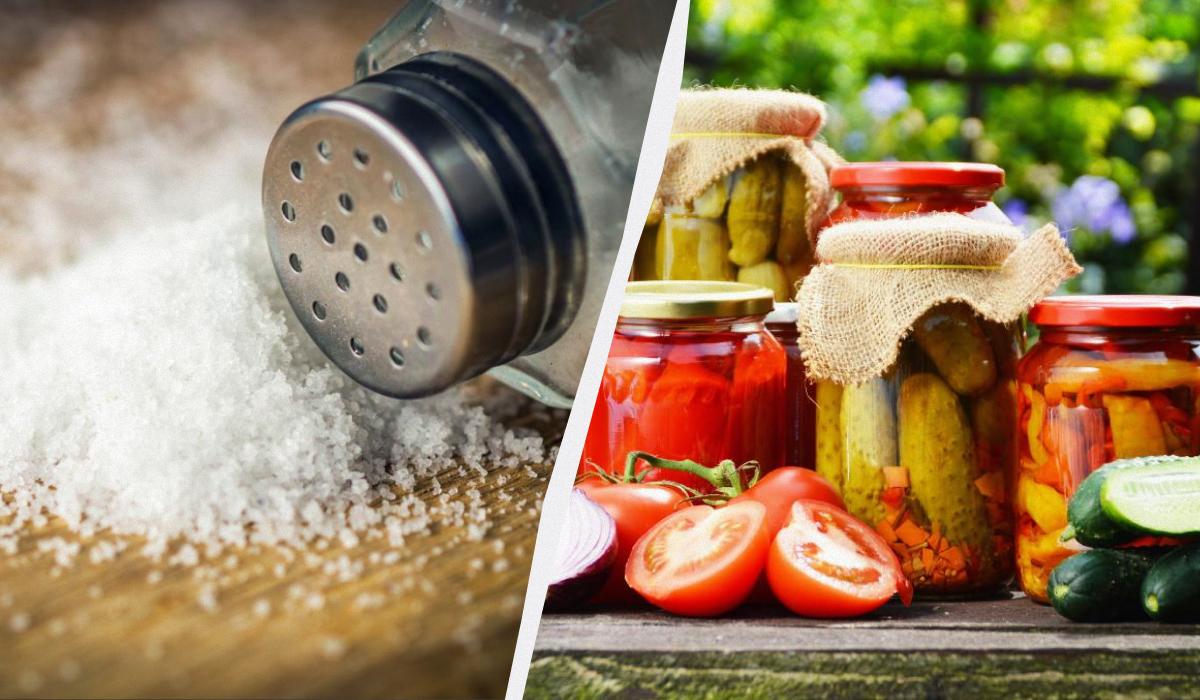
Iodized salt can be safely used for home vegetable canning, debunking a long-standing culinary myth that the additive ruins preserves or explodes glass jars.
Home cooks traditionally insisted on using unrefined rock salt without additives, but changes in commercial food production mean modern iodized salt is now fully suitable for pickling cucumbers and other garden produce.
For decades, millions of households relied on Artemsil, a coarse rock salt produced in Ukraine, during the summer canning season. The brand earned widespread popularity for maintaining crisp vegetable textures, delivering good flavour, and keeping sealed jars intact throughout storage.
Artemsil was produced by a state-owned mining enterprise based in Soledar, Donetsk Oblast, which historically supplied much of Eastern Europe. Supplies of Artemsil have become virtually impossible to find in stores, and household reserves are running out. The shortage has left home cooks facing uncertainty over alternative seasonings, particularly Ukrainians living abroad where nearly all retail salt contains iodine fortification.
Choosing the right salt for pickling
Salt remains one of the primary ingredients in home preservation because it directly dictates both the flavour and texture of canned vegetables. Food preparation advice recommends coarse or medium-grain unrefined rock salt without additives as the ideal choice for predictable results.
Coarse sea salt without additives provides a reliable alternative when plain rock salt is unavailable. Used in identical quantities to rock salt, sea salt works well for all types of canning, particularly pickled mushrooms, where natural minerals create a rich flavour without causing containers to burst.
Why modern iodized salt is safe
Most imported salt sold in retail stores is iodized to address widespread iodine deficiency, a public health measure designed to prevent thyroid disorders. Culinary tradition long discouraged using iodized salt for canning based on claims that iodine spoils vegetable flavours and causes storage jars to explode.
That reputation originated from older fortification practices that relied on potassium iodide. Potassium iodide reacted with organic compounds in vegetables during preservation, breaking down cellular structure and generating gas pressure inside sealed jars.
Salt manufacturers long ago replaced potassium iodide with potassium iodate. Potassium iodate does not alter vegetable structure, making modern iodized salt safe for preservation, a fact confirmed by European home cooks who routinely use iodized seasoning in all canned goods.
Exceptions and ingredients to avoid
Shoppers should inspect ingredient labels when purchasing salt for preservation. While salt enriched with potassium iodate is safe for standard hot canning, products containing potassium iodide should still be avoided.
Iodized salt must never be used when fermenting cabbage or making sauerkraut. Unlike thermal canning, lacto-fermentation relies on live beneficial bacteria to preserve food, and iodine acts as an antimicrobial agent that halts bacterial growth, ruining the entire recipe.
Pickling guidelines also warn against using salt with added flavourings or chemical anti-caking agents. Specific anti-caking compounds, listed on food packaging as E535 (sodium ferrocyanide), E536 (potassium ferrocyanide), and E538 (calcium ferrocyanide), prevent clumping but can alter canning chemistry and cause jars to burst during storage.


