

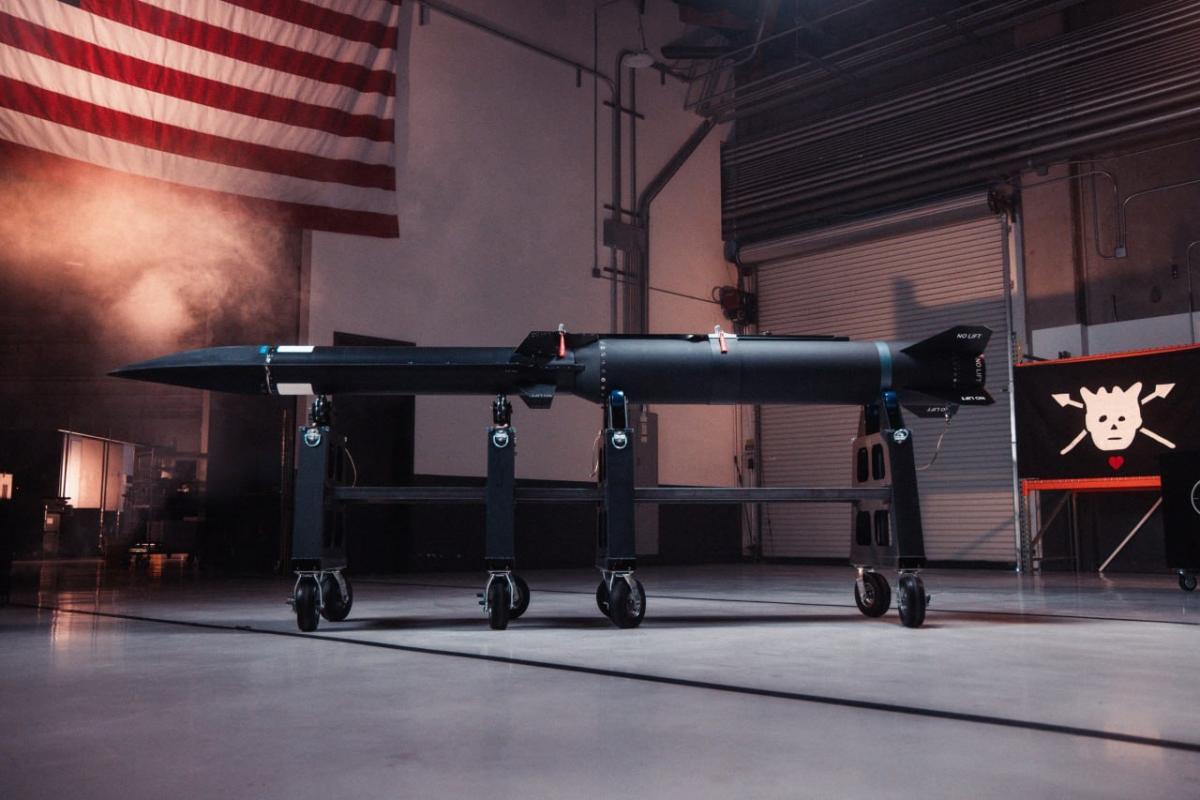
Hypersonic missiles are almost impossible to intercept due to unpredictable flight paths and radar-absorbing plasma shields rather than high speed alone, according to news outlet WION.
Flying at speeds exceeding Mach 5, or roughly 6,125 kilometers per hour, these advanced weapons drastically reduce the reaction time available for defensive radar networks to detect incoming threats.
Modern armed forces currently deploy two main categories of hypersonic weapons: glide vehicles and cruise missiles. Hypersonic glide vehicles are launched into space before gliding down through the upper layers of the atmosphere. Hypersonic cruise missiles rely on advanced scramjet engines, which compress incoming air at supersonic speeds without moving parts, to maintain powered flight.
Defeating radar through maneuverability and plasma
Traditional ballistic missiles travel along predictable parabolic trajectories, allowing computer systems to calculate their future landing position easily. Hypersonic weapons break this mathematical model entirely by using aerodynamic lift to maneuver, dive, and alter course sharply while in flight.
These missiles also fly at lower altitudes than traditional intercontinental ballistic missiles. By hugging the curvature of the Earth, they remain physically hidden from ground-based early warning radar systems until the final moments of flight.
Extreme atmospheric friction at Mach 5 speeds generates intense heat, warming the surrounding air to thousands of degrees Celsius. This heat ionizes the air into a sheath of superheated plasma that absorbs radio waves, blinding defensive radar systems.
Because of these factors, even a minor trajectory shift during the terminal phase of flight causes standard missile interceptors to miss their target.
Rapid expansion of Chinese and Russian arsenals
The technical difficulties in interception come as major military powers expand their capabilities. United States intelligence reports indicate that China and Russia will significantly increase their stockpiles of hypersonic weapons over the next nine years leading up to 2035.
American intelligence estimates show that China could expand its inventory to approximately 4,000 hypersonic missiles by 2035, while Russia is projected to hold roughly 1,000 missiles.
China currently possesses around 600 hypersonic missiles, while Russia maintains an estimated arsenal of between 200 and 300 weapons. Russia has deployed multiple operational systems, including the 3M22 Zircon, the Kh-47M2 Kinzhal, and the Avangard hypersonic glide vehicle.


