

Ten historic British dog breeds face total extinction after puppy buyers turned toward designer crossbreeds, according to Royal Kennel Club registration figures published by The Scotsman.
Interest in searching for puppies has reached record levels across the United Kingdom, but prospective owners overwhelmingly choose the same few options or popular crossbreeds such as the Labradoodle. As a result, traditional working terriers and coastal hounds that defined British life for centuries are disappearing quickly.
The Royal Kennel Club, the official registry for pedigree dogs in the United Kingdom, has officially classified all ten breeds as vulnerable native breeds to highlight their falling populations.
Sharp declines among working hounds and retrievers
The Bloodhound suffered the largest percentage drop of any breed on the list. Originally bred for tracking game with its powerful sense of smell, the lop-eared hound was later adopted by police forces to track missing people over distance. Registration numbers fell by 90.6 percent over the last decade, reaching a low of just five puppy registrations in 2025.
The Otterhound, which originated in North-West England during the first half of the 19th century, remains one of the world's rarest breeds with a total global population of around 600 dogs. Only 10 new Otterhound puppies were registered across Great Britain last year.
The Curly-Coated Retriever is also struggling to attract buyers. Despite being a close relative of popular family pets like the Labrador Retriever and Golden Retriever, the breed has lost 69.9 percent of its interest over ten years, registering only 25 puppies last year.
Greyhounds experienced a 75.6 percent collapse in registrations over ten years, falling from 41 puppies in 2016 to just 10 registrations in 2025. Although Greyhounds are often seen in British parks, the vast majority are rescued former racing dogs rather than newly registered pedigree pets.
Spaniels and terriers under growing pressure
The Sussex Spaniel, first officially described in the county of Sussex in 1795 and recognized as a close relative of the Clumber Spaniel, recorded only 15 registrations last year. The extremely low figure leaves the traditional southern English gundog in a precarious position.
Ireland's native working breeds face similar decline. The Irish Water Spaniel, one of nine native Irish dog species and known in its home country as the bog dog, saw registrations fall 42 percent over ten years, dropping from 69 puppies in 2016 down to 40 in 2025.
The Soft-Coated Wheaten Terrier is the only terrier included in the vulnerable list. The breed suffered a 71.8 percent fall in demand over the last decade, with annual registered puppy totals plummeting from 326 down to 92 individuals.
Famous screen and advertising stars lose favor
Cultural fame has failed to protect several of Britain's most recognizable breeds. The Old English Sheepdog, or Bobtail, remembered by millions of television viewers as the long-haired mascot of Dulux paint commercials, recorded only 218 puppy registrations last year.
The Rough Collie, the long-haired Scottish herding breed made world-famous by the fictional screen star Lassie, unexpectedly joined the list of monitored breeds after new registrations halved to 345 dogs.
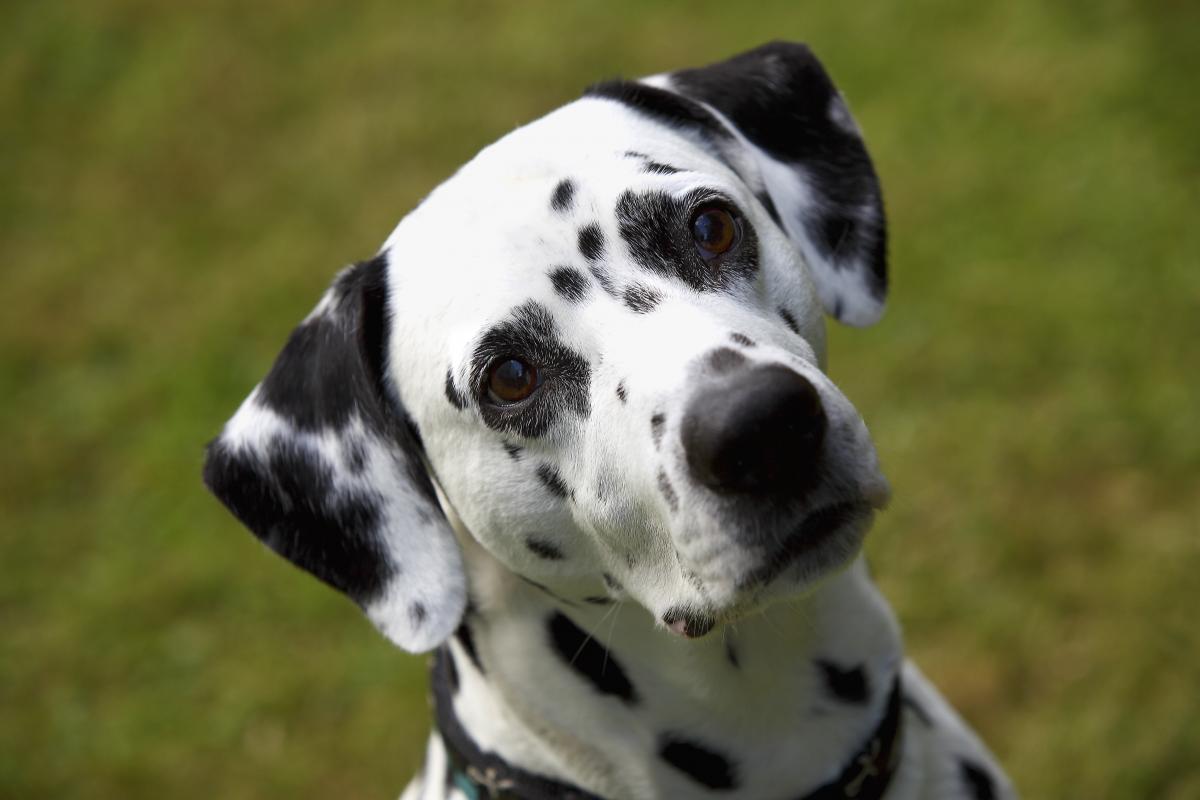
Even the Dalmatian, made famous globally by the Walt Disney animated film 101 Dalmatians, is losing public favor. Over ten years, interest in Dalmatians declined by 32 percent to 743 registrations. Compared to the pandemic peak in 2021 when 1,662 Dalmatians were registered, the decline exceeds 55 percent.


