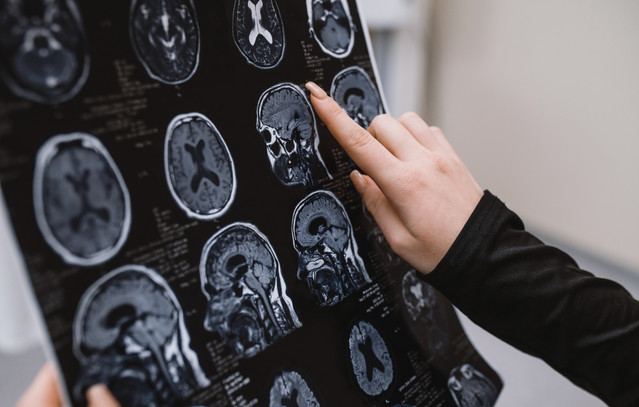
Researchers at Harvard University have begun testing an experimental therapy in patients with prion diseases, a group of rare and fatal neurodegenerative disorders that includes Creutzfeldt-Jakob disease (CJD). The trial was reported by Harvard Magazine in its September-October 2026 edition.
The treatment uses small interfering RNA, or siRNA, a molecule designed to reduce the body's production of the prion protein, known as PrP, which is considered central to how these diseases develop.
Prion diseases occur when prion proteins fold into an abnormal shape and build up in the nervous system. The presence of these misfolded proteins is linked to the progressive destruction of brain tissue and the onset of severe neurological symptoms.
What Is Creutzfeldt-Jakob Disease
CJD is the most common prion disease in humans. Researchers cited by Harvard Magazine said the illness causes about 500 deaths a year in the United States. In Brazil, the Ministry of Health recorded 1,576 notifications of suspected cases between 2005 and 2021.
The disease can cause rapidly progressive dementia, changes in vision, difficulty speaking and swallowing, and loss of control over movement, along with other neurological impairments. Once symptoms begin, the disease tends to progress quickly, and most patients die within about a year.
Besides the sporadic form, which arises with no identifiable cause, there are hereditary forms linked to genetic mutations, as well as extremely rare cases tied to exposure to contaminated tissue.
How the Experimental Therapy Works
The strategy, developed by researchers Sonia Vallabh and Eric Minikel, attempts to act before the abnormal protein accumulates in the brain.
The siRNA targets the messenger RNA that carries the instructions for producing the prion protein. By interfering with that process, the therapy aims to lower the amount of PrP the body produces, reducing the supply of the protein that can misfold and trigger neurodegeneration.
Minikel said the goal was to act before protein deposits form, by targeting the RNA responsible for producing it.
The approach is considered significant because different prion diseases share a common element: the protein produced by the same gene. A therapy that can reduce its production could therefore apply to several forms of the disease.
Possible Preventive Use
According to the researchers, lowering the amount of prion protein in the brain could serve two purposes. In people who carry mutations linked to hereditary forms of the disease, the strategy could prevent or delay the onset of symptoms. In patients who have already developed the illness, reducing the protein is expected to slow its progression.
That possibility matters because prion diseases are usually diagnosed only after the first symptoms appear, at which point neurological deterioration can advance rapidly.
For that reason, the researchers said one of the challenges is identifying people at risk before the disease begins and developing preventive strategies that could be used ahead of symptom onset.
Clinical Trial Begins in Patients
The new drug is still experimental and had never been tested in humans before this study. The clinical trial has begun enrolling patients who already show symptoms of prion disease.
The research is funded by NeuroNEXT, a program linked to the National Institutes of Health (NIH) in the United States.
Entering the clinical phase does not mean the treatment has proven effective or safe. The studies in humans still need to assess the therapy's safety, patients' response and any signs of clinical benefit.
A Researcher's Personal Connection
The research carries a personal dimension for Vallabh. In 2012, she discovered she had inherited a genetic mutation linked to fatal familial insomnia, one of the hereditary prion diseases.
Vallabh's mother died at 51 after developing the disease. Her first symptoms included blurred vision and weight loss, followed by memory changes, difficulty speaking, frequent falls, an inability to stay still and severe sleep impairment.
After learning she carried the mutation, Vallabh left her career in consulting to study science. Alongside Minikel, she has since devoted herself to developing treatments for prion diseases. The couple now co-directs the Prion Therapeutic Science program at the Broad Institute and makes part of their research data available to other scientists.
The researchers hope different technologies can be tested against the same protein, widening the range of possible treatments for diseases that currently have no cure and are managed only with palliative care.