

Superficial scratches on glass surfaces can be visually reduced or eliminated using everyday household items such as non-gel toothpaste, vinegar, water, and microfibre cloths.
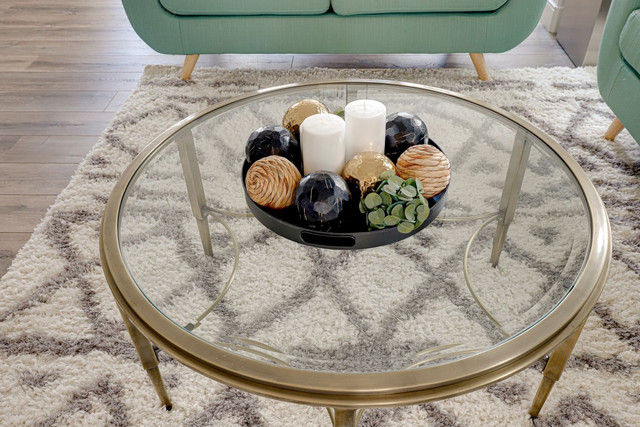
The straightforward repair method works on mirrors, glass coffee tables, decorative items, window panes, and electronic screens when handled with extreme care. While superficial scuffs respond well to home treatment, deeper gouges cannot be completely erased and may require professional intervention.
Glass is a rigid silica-based material valued for its clarity and smooth finish. However, daily contact with metal, ceramics, or gritty dust can leave minor surface scuffs that spoil the appearance of household objects before requiring full replacement.
Cleaning the targeted surface represents the essential first step before applying any polishing treatment. Removing all surface dust and dirt prevents loose particles from being dragged across the surface and creating new scratches during buffing.
Once the glass is clean, a small amount of plain, non-gel toothpaste is applied directly to the damaged spot. Using a clean microfibre cloth, the paste is worked into the glass in gentle circular motions for a few minutes without pressing too hard.
Non-gel toothpaste acts as an ultra-fine polishing compound, functioning like microscopic sandpaper to smooth down minor surface imperfections. Microfibre cloths are specially woven from split synthetic fibers that trap residue without scratching delicate surfaces, unlike paper towels that shed lint fibers.
After buffing, the area is rinsed with water to inspect the result, and the application can be repeated if needed. The procedure concludes by wiping the glass with a mixture of vinegar and water to remove haziness and restore a clean shine.
Baking Soda Alternative and Deep Scratch Fixes
Household vinegar contains mild acetic acid, which dissolves leftover polishing paste and mineral streaks to leave a clear finish. If toothpaste is unavailable, baking soda provides an equally effective alternative polish for minor scuffs.
Mixing baking soda with a small amount of water forms a smooth paste that is applied using the same gentle circular motion, followed by a thorough rinse and dry. Baking soda, or sodium bicarbonate, is a mildly alkaline crystalline compound whose soft particles break down during buffing to polish smooth surfaces safely.
For deeper scratches that buffing cannot remove, clear nail polish offers a practical optical workaround. Dabbing a small amount of transparent nail polish directly into the groove, allowing it to dry thoroughly, and carefully wiping away any excess fills the depression.
Clear nail polish consists of transparent acrylic resins that cure into a solid film inside the crack. Although this technique does not structurally repair the glass pane, filling the void reduces light refraction and renders the scratch nearly invisible to the naked eye.
Homeowners should observe several critical precautions to avoid worsening the damage during treatment. Paper towels must be avoided because their coarse wood fibers leave lint behind on glass. Buffing requires light pressure, as pressing too hard can deepen existing marks. Testing any method on a small, inconspicuous spot first ensures safe results across all household glass objects.


