

In Ghana, plastic waste is being turned into paving tiles that sell for much less than concrete blocks, The Times of India reports.
The project was started by Nelson Boateng, who trained in computer networking and previously worked producing plastic bags before shifting to turning the same material into road surfacing.
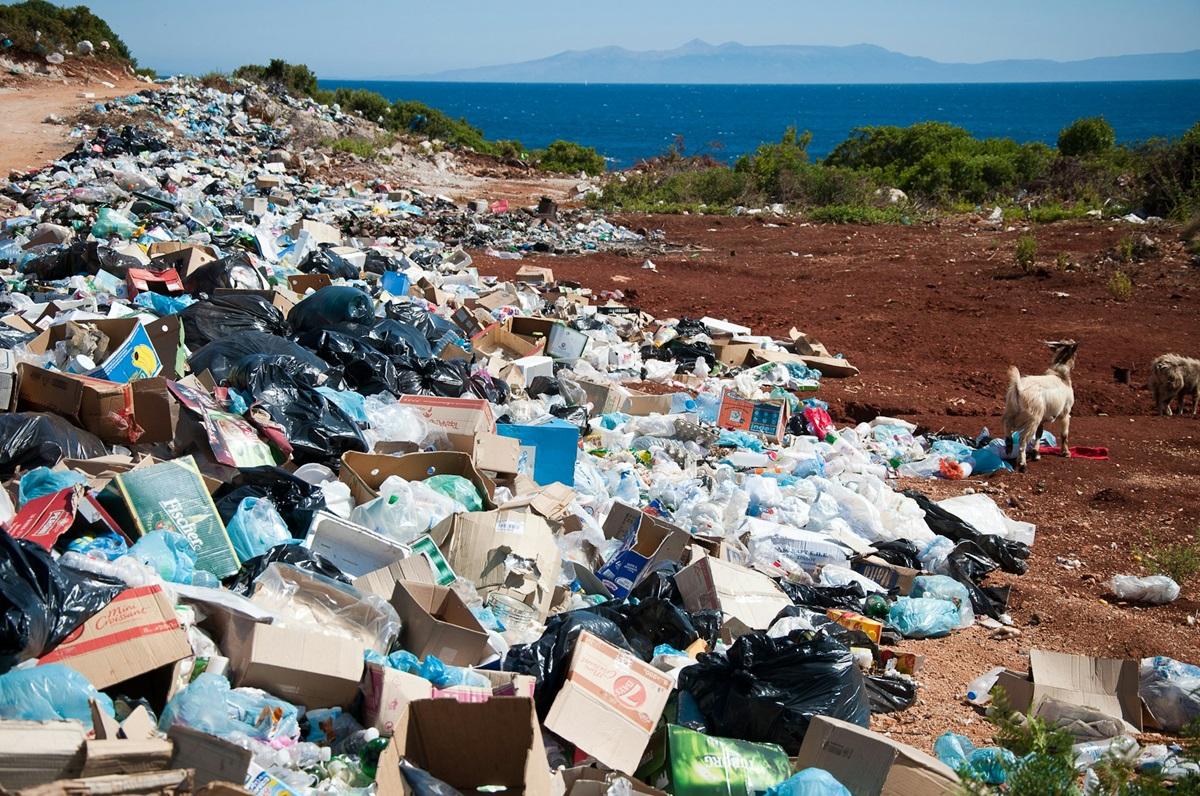
Accra, Ghana's capital, currently produces about 2,800 to 3,000 tonnes of solid waste per day, with plastic estimated to make up 300 to 450 tonnes of that total. Most of it never reaches a recycling line. Yale Environment 360 reported that only about 5% of the 5,000 tonnes of plastic discarded daily across the country is recycled, with the rest ending up in landfills. Ghana generates nearly 1.1 million tonnes of plastic waste a year.
How the tiles are made
Boateng founded Nelplast, a company that converts plastic waste into paving tiles containing no cement or bitumen. The plastic is shredded, washed and dried, then mixed with sand and sometimes pigment before being fed into a custom-built extruder with three heating zones, since different plastics melt at different temperatures. The machine produces a hot paste that is pressed into molds to form the finished blocks.
Boateng said each block costs about $1, compared with an average of $1.50 for a traditional concrete block.


