

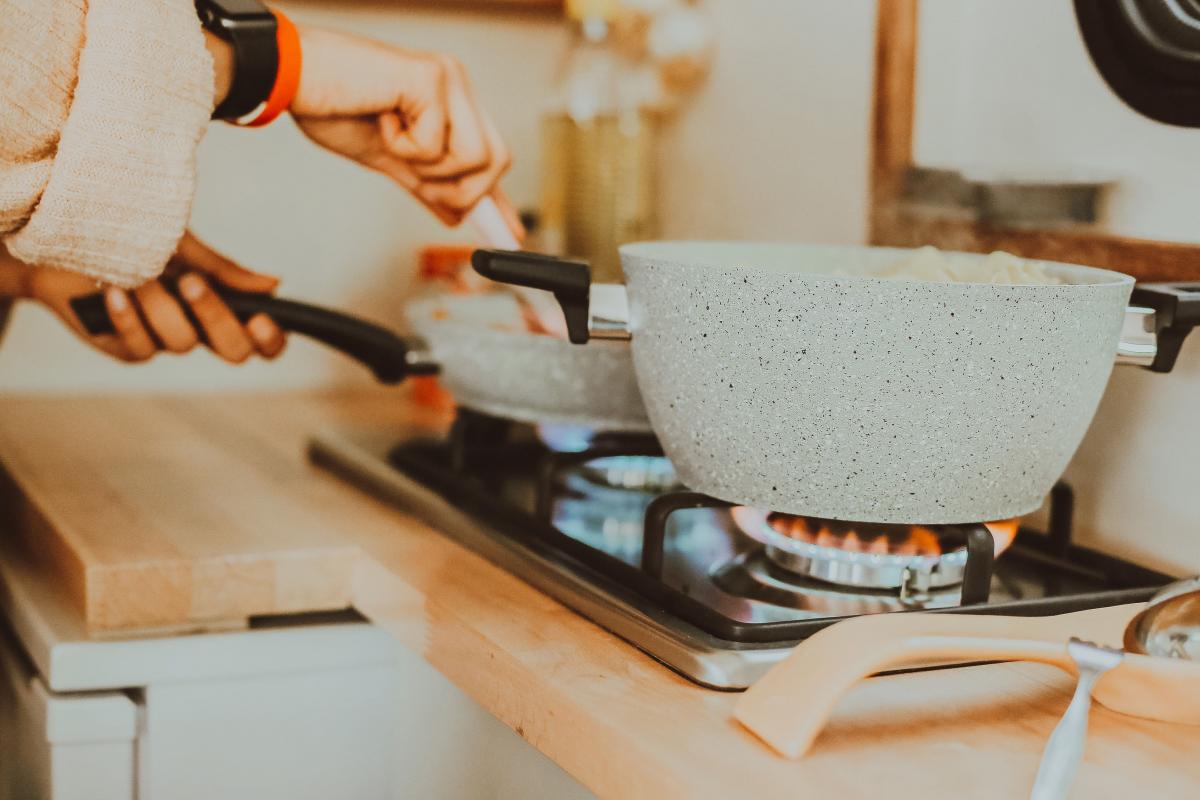
Gas stoves do not make most food taste better than electric stoves despite widespread consumer belief, according to analysis published by Food Republic. Although households have used gas stoves since the beginning of the 19th century, standard cooking methods produce virtually identical flavor results across both appliances.
The primary benefit of a gas stove is its quick reaction time. A cook can instantly increase or decrease the open flame, whereas electric burners take time to heat up or cool down. This speed difference often makes electric units feel less convenient to people who are used to gas flames.
Because gas flames do not directly touch food during ordinary cooking, the fuel source does not alter food flavor. The only exceptions are dishes requiring an open flame, such as charring peppers until black scorch marks appear or browning flatbread directly over the fire. Achieving these specific results remains harder on electric burners.
Comparing Speed, Safety and Maintenance
An overall comparison between gas and electric stoves highlights several operational differences. Gas heats cookware rapidly and allows immediate temperature adjustments, while electric burners react more slowly. However, final food taste relies far more on ingredients, cookware and cooking techniques than on the stove type.
Health and safety factors have led many consumers to switch from gas to electric appliances in recent years. Burning gas indoors can release carbon monoxide, formaldehyde and other harmful substances into the room. Nitrogen dioxide emissions can also irritate respiratory tracts, particularly among children and individuals with respiratory conditions.
Open flames also increase fire risks if towels, paper or flammable objects are placed nearby. In contrast, electric flat surfaces are simpler to clean because they lack grates and burners that require disassembly and thorough washing.
Marketing Claims and Induction Alternatives
The continued popularity of gas stoves stems from industry marketing as well as user habit. The gas industry actively promoted gas cooking through culinary bloggers to convince consumers that gas makes food tastier, though no convincing evidence supports that claim for ordinary meals.
Induction stoves provide another alternative by using magnetic fields to heat cookware directly. These models offer precise temperature control, rapid heating, no open flame and easy cleaning, although they cost more than standard electric options.
Neither appliance emerges as an absolute winner for home cooks. Gas excels in heating speed and open flame preparation, while electric stoves provide a safer and easier option for daily cooking.
A previous report examined the health dangers associated with leaving dirty dishes in the sink overnight.


