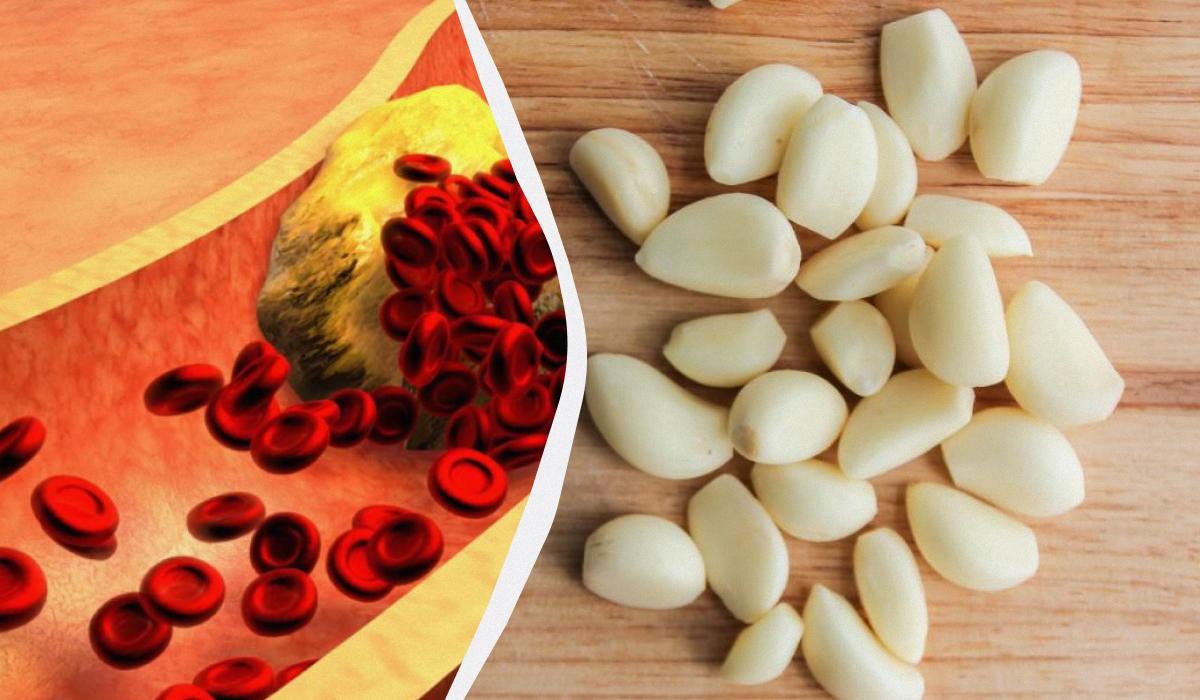
Increasing garlic consumption can have a positive effect on human cholesterol levels and overall heart health, according to a report published by health publication Verywell Health and fact checked by dietitian Allison Herries. Raw garlic contains an active organic compound called allicin, which scientists link to multiple cardiovascular benefits.
Despite the potential health benefits, individuals planning to add more garlic to their diet to manage cholesterol should consult a doctor first. While most people tolerate the plant well, health experts caution that undesirable side effects can occur when consuming higher amounts.
Garlic, biologically known as Allium sativum, has been used in culinary and medicinal traditions for thousands of years. Allicin is an organosulfur compound produced when garlic cloves are crushed or chopped. It gives garlic its distinct aroma and serves as the primary bioactive substance responsible for its biological activities.
According to the National Center for Complementary and Integrative Health, eating garlic can cause stomach pain, allergic reactions, bad breath, body odor, gas, and nausea. There is also a risk of bleeding, particularly for individuals who are already taking blood-thinning medications. Additionally, the effects of high garlic consumption on pregnant and breastfeeding women have not been fully studied.
Effects on LDL Cholesterol
Health researchers identified five specific ways garlic impacts cholesterol and broader cardiovascular markers. First, garlic may lower low-density lipoprotein, commonly referred to as LDL or bad cholesterol. A study published in the journal Antioxidants showed that garlic or garlic supplements can help decrease LDL levels while slightly increasing high-density lipoprotein, known as HDL or good cholesterol.
In an eight-week clinical study involving 33 participants with high LDL cholesterol, subjects took a daily supplement containing onion extract, garlic powder, and other ingredients. At the end of the eight weeks, participants experienced an average reduction in LDL cholesterol of 6 percent. LDL cholesterol is a lipid protein that carries cholesterol through the bloodstream, and high levels can contribute to fatty deposits in the arteries.
Total Cholesterol and Metabolic Health
Second, garlic supplements may reduce total cholesterol levels in the blood. A meta-analysis of 19 studies published on the Springer Nature Link platform examined the impact of garlic supplementation on individuals with metabolic syndrome. Researchers found that participants who took garlic supplements achieved lower overall cholesterol counts.
Metabolic syndrome is a cluster of health conditions that occur together, including hypertension or high blood pressure, elevated blood sugar levels, dyslipidemia involving abnormal cholesterol and fat levels, and excess belly fat. The studies evaluated various forms of garlic, but researchers noted that raw garlic and aged garlic had a significantly greater effect. Aged garlic refers to raw garlic that has been infused in ethanol over an extended period. Researchers also observed that individuals under 50 years of age experienced a more pronounced drop in total cholesterol.
Impact on HDL Cholesterol
Third, garlic consumption may help raise HDL cholesterol levels. HDL is considered good cholesterol because it helps extract excess cholesterol from the bloodstream and transport it back to the liver for disposal. However, health guidelines emphasize that HDL levels should not rise excessively high. According to research published in the journal Biomedicines, an optimal HDL range is between 60 and 80 mg/dL.
In the 19-study meta-analysis, HDL levels rose slightly among patients with metabolic syndrome who consumed garlic through food or dietary supplements. However, this minor increase did not achieve statistical significance, meaning it could have occurred by chance. Studies conducted over longer periods of up to 24 weeks showed the most consistent HDL increases. Nevertheless, researchers note that current scientific evidence remains conflicting, with some trials showing modest HDL improvements and others showing no measurable effect.
Blood Sugar Control and Blood Pressure
Fourth, garlic may help lower blood sugar levels by improving cellular insulin sensitivity. This reduction in insulin resistance creates an anti-diabetic effect. In both animal and human studies, garlic helped lower blood glucose when taken in combination with specific diabetes medications. Maintaining lower blood glucose levels can also assist in keeping cholesterol within a healthier range.
Fifth, garlic can contribute to lower blood pressure. In the eight-week study of 33 participants, those taking garlic and onion supplements reduced their blood pressure by approximately 5 percent, a result comparable to the effects of some blood pressure medications. Other research demonstrates that aged garlic extract, dried garlic powder, and raw crushed garlic all provide moderate reductions in blood pressure. Controlling blood pressure and managing cholesterol together are vital steps in reducing overall cardiovascular risk.
Preparation Methods and Dietary Alternatives
The health benefits attributed to garlic depend heavily on how it is prepared. Allicin is most potent in fresh, raw garlic because thermal processing and cooking break down the compound. Individuals seeking maximum health benefits should consume garlic raw or minimize cooking times as much as possible.
For those exploring additional dietary strategies to manage cholesterol, previous reporting from UNIAN highlights the benefits of eating nuts and lentils daily. Consuming nuts and lentils together helps lower total cholesterol, LDL cholesterol, triglycerides, and concentrations of apolipoprotein B, a key protein component of LDL particles and arterial plaques. These foods also supply essential nutrients including soluble fiber, zinc, magnesium, and potassium, which support healthy blood pressure and vascular function.