Furiosa's shaved head in the "Mad Max" film franchise serves as a symbol of her fight for freedom and the suffering she endured. Although the films do not explicitly explain her lack of hair, the decision to shave it represents her effort to regain control of her life from those attempting to enslave her.
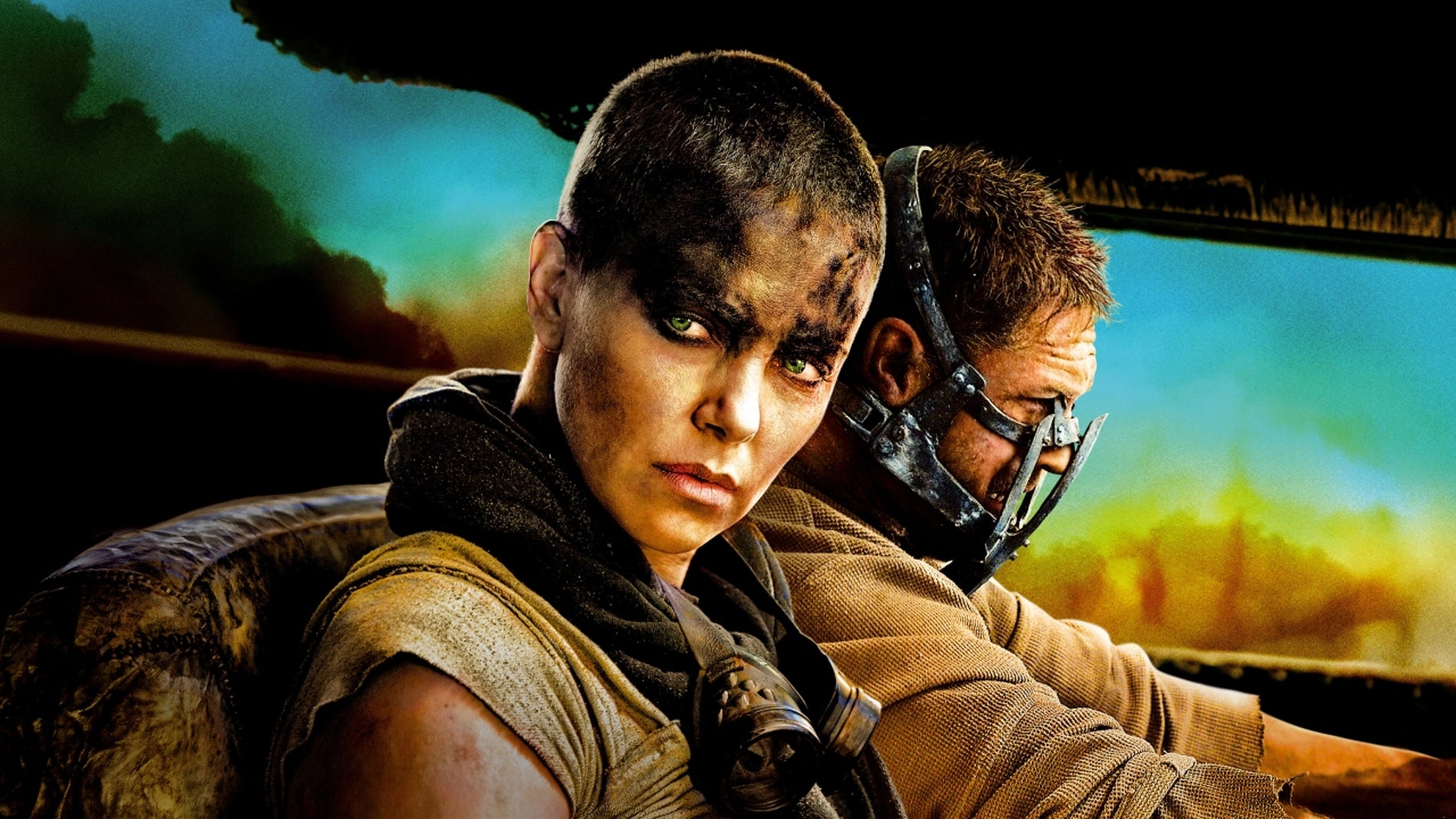
In "Furiosa: A Mad Max Saga", the protagonist removes her hair twice. She first shaves her head as a child to escape captivity and a character named Rictus. Later, as an adult, she does so to blend in with the men serving the tyrannical ruler Immortan Joe, which allows her to fight the warlord Dementus.
Her hair is depicted as an obstacle to achieving autonomy, her goals and her plan for revenge. By removing it, she moves closer to those objectives.
A symbol of suffering
While her shaved head represents freedom, it also acts as a symbol of the trauma she experienced. Had she not been captured by Dementus during her childhood, Furiosa likely would have kept her hair.
The "Mad Max" franchise, created and directed by George Miller, avoids providing direct explanations for its narrative. The original film did not detail the causes of its gasoline shortage and subsequent societal collapse, instead using those elements as a backdrop for a brutally effective revenge story. The sequels similarly avoid explaining exactly how the world ended, offering only subtle details rather than full information.
Lack of exposition
Bong Joon-ho, the director of "Parasite", praised "Mad Max: Fury Road" for this approach and its limited dialogue. Bong noted that Miller's film required very little explicit exposition to engage viewers in its fictional world, with characters rarely clarifying their motivations or basic plot points.
In both "Mad Max: Fury Road" and "Furiosa", the character has little dialogue or direct intervention to explain herself. Instead, the films rely on symbolism, such as her shaved head, to communicate her background and motivations without overusing dialogue as a narrative tool.