Millions of people suffering from functional neurological disorder are frequently told their debilitating physical symptoms are imagined despite real brain network signaling disruptions, experts reported.
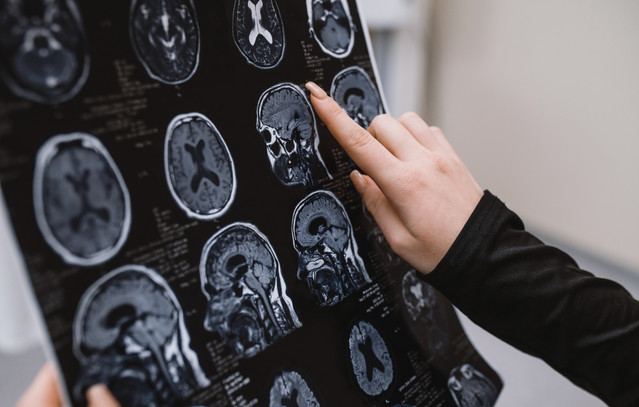
Patients presenting with severe walking difficulties, persistent leg trembling, or exhausting seizures routinely receive normal results on brain scans and electroencephalograms, diagnostic tests that measure electrical activity in the brain, leaving them without clear answers.
When arriving at medical offices, patients are frequently told that their tests are reassuring and that they do not have epilepsy, leading many to question whether their symptoms are real.
Neuroscience researchers now explain that the condition stems from a communication failure between interconnected brain networks rather than structural tissue damage.

Brain network miscommunication and predictive processing
Every physical movement, bodily sensation, and emotion begins inside the brain, where imaging studies show that neural networks continuously communicate with one another.
Networks responsible for movement, attention, emotion, body awareness, and sensory processing work together to create daily thoughts, perceptions, and physical actions.
A leading scientific theory explaining the condition is predictive processing, which suggests the brain constantly predicts physical experiences by combining past memories, surroundings, and internal body signals.
When walking up a flight of stairs, for example, the brain predicts foot placement and muscle contractions automatically without conscious calculation.
As new information reaches the brain, it compares incoming signals with existing predictions and updates its expectations when a mismatch, known as prediction error, occurs.
Researchers believe that disruptions in this prediction updating process represent a primary biological mechanism driving functional neurological disorder.
Physical injury, acute illness, persistent pain, or severe stress can cause the brain to rely too heavily on prior predictions rather than adjusting to new bodily signals.
For example, after a physical injury has fully healed, the brain may continue predicting that movement is unsafe, resulting in persistent leg weakness or walking difficulty despite no ongoing damage to the brain or nervous system.
These resulting symptoms are involuntary, physically real, and profoundly disabling, even though no visible tissue harm occurs.
Historical stigma and evolving medical understanding
Medical understanding of functional neurological disorder marks a major shift from how doctors viewed the brain over the past century.
At different points in history, the condition was called hysteria or conversion disorder, diagnostic classifications that conceptualized symptoms as psychogenic, or originating from psychological factors.
Many symptoms were historically attributed to the emotional state of women and dismissed, reflecting broader gaps and historical biases in women's healthcare that contributed to decades of social stigma.
Symptoms of the disorder include arm or leg weakness, full paralysis, dissociative seizures, tremors, muscle spasms, and jerky body movements.
Patients may also experience severe trouble walking or balancing, slurred speech, sudden stuttering, and loss of vision or hearing.
As neuroscience advanced, researchers recognized that these symptoms arise from changes in brain network function rather than visible structural injuries or abnormalities on brain imaging.
Modern medical models focus on brain networks and the dynamic relationship between the brain, body, and environment.

Prevalence figures and healthcare obstacles
Functional neurological disorder affects a conservative minimum of 500,000 Americans and approximately 100,000 people in the United Kingdom.
Roughly 7 million to 12 million people worldwide live with the condition, though exact numbers remain hard to pinpoint due to frequent misdiagnosis and under-recognition.
Researchers estimate that mortality rates among patients with functional neurological disorder are more than double the rate observed in the general population.
Despite its high prevalence, access to specialized care remains severely limited, leaving patients in a treatment desert due to a shortage of specialists and limited funding.
Many healthcare professionals receive little to no formal education regarding functional neurological disorder during medical training.
Patients are frequently told by clinicians that they are exaggerating, faking symptoms, seeking attention, or experiencing just anxiety, which delays proper treatment and exposes them to unnecessary medical interventions.
This situation creates a game of medical ping-pong, where psychiatry departments refer patients to neurology due to physical symptoms, and neurology clinics refer them back to psychiatry because their scans are normal.
As a result, patients cycle repeatedly through emergency departments and specialty clinics in search of validation, with some receiving unneeded medications or undergoing invasive procedures.
Trauma, anxiety, depression, and post-traumatic stress disorder are more frequent among affected individuals, though many develop the condition without any trauma history due to a combination of biological, psychological, and social factors.
Multidisciplinary care and pathways to recovery
The clinical outlook for functional neurological disorder is beginning to turn a corner as new multidisciplinary clinics open and scientific research accelerates.
Treatment focuses on retraining disrupted brain networks using psychotherapy, physical therapy, occupational therapy, and speech therapy.
While recovery trajectories differ for each patient, growing clinical evidence demonstrates that retraining brain signaling networks leads to physical improvement.
Experts emphasize that the most critical milestone in patient care occurs when a healthcare provider believes their patient's reported symptoms.
Because every movement, sensation, emotion, and thought begins in the brain, symptoms of the disorder are genuinely neurological rather than imagined.
The analysis was written by Mackenzi Moore, a program manager at the University of Colorado Anschutz Medical Campus, an academic health center in Aurora, Colorado, and published by non-profit news organization The Conversation.
The article was edited for publication by Alexa Lardieri, the United States health editor at London-based national news organization the Daily Mail.