

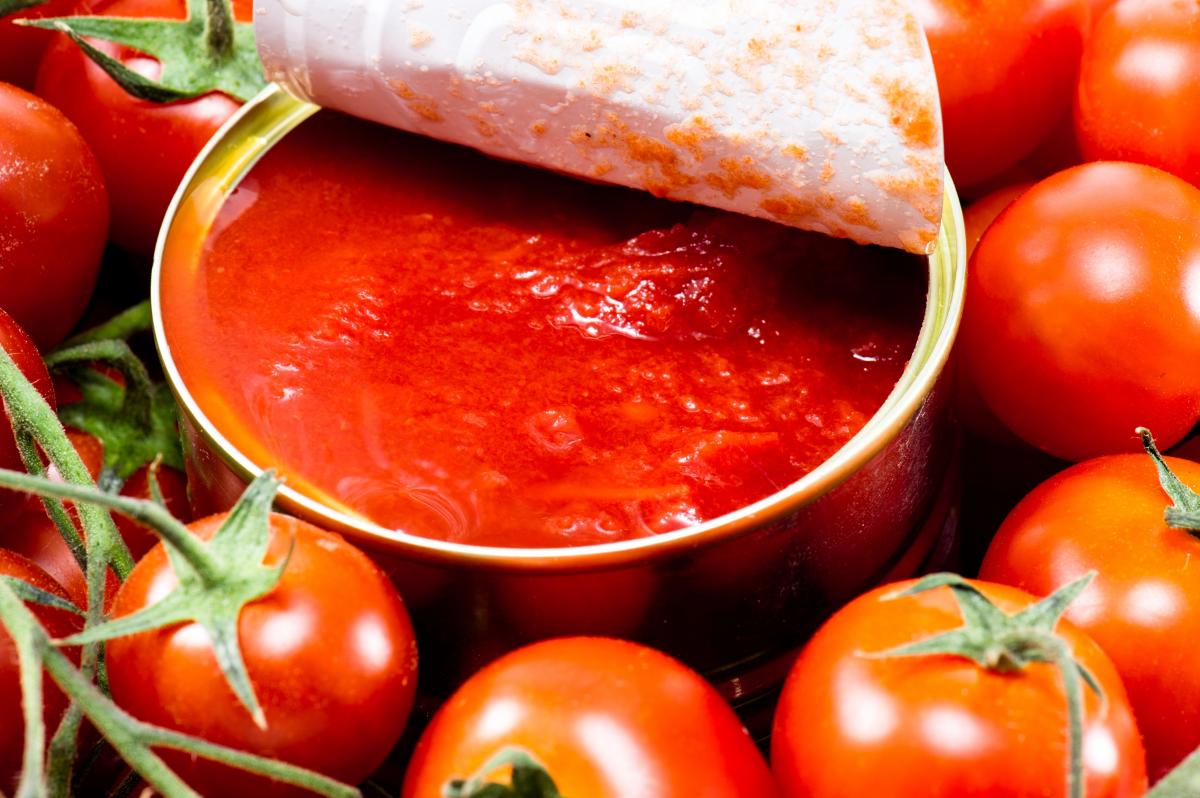
Neither fresh nor canned tomatoes emerge as an absolute winner in dietary value because heat processing alters their underlying nutrient composition in distinct ways, according to a report published by health outlet Verywell Health.
Thermal processing during canning breaks down the structural cell walls of the tomato, making it easier for the human body to absorb lycopene, a beneficial antioxidant compound. However, vitamin C is sensitive to high temperatures and is partially lost during the canning process, according to research published in the journal Antioxidants.
Tomatoes, which are botanically berries though culinarily used as vegetables, serve as a primary dietary source of antioxidants and essential micronutrients. Vitamin C is a water-soluble nutrient vital for immune support and tissue repair, whereas lycopene is a fat-soluble carotenoid that gives red produce its characteristic pigmentation.
Nutritional Differences by Portion Size
A secondary distinction between fresh and canned varieties stems from water loss during manufacturing, as liquid partially evaporates during processing and leaves certain nutrients more concentrated per serving. Data cited in the report shows that one cup, measuring 180 grams, of chopped fresh tomatoes contains 32.5 calories, 24.5 milligrams of vitamin C, 75.5 micrograms of vitamin A, 9 milligrams of sodium, and 4,630 micrograms of lycopene.
By contrast, a half-cup portion, measuring 121 grams, of canned tomatoes contains 38.5 calories, 11 milligrams of vitamin C, 13.5 micrograms of vitamin A, 225 milligrams of sodium, and 6,180 micrograms of lycopene. Fresh tomatoes contain fewer calories, higher levels of vitamins C and A, and substantially less sodium, whereas canned tomatoes supply a higher concentration of lycopene despite the smaller serving size.
Vitamin A is an essential fat-soluble nutrient that supports eye health, while sodium regulates fluid balance in human tissues. Dietary sodium management is relevant for cardiovascular wellness, as high intake is linked to elevated blood pressure.
Health Effects of Lycopene
Lycopene can reduce internal inflammation and support cardiovascular health, according to a scientific review published in the Journal of Nutrition and Metabolism. The compound helps reduce cellular damage, protects low-density lipoprotein cholesterol from oxidation, and improves blood vessel function. Low-density lipoprotein, commonly known as bad cholesterol, can form plaque within arterial walls when oxidized by free radicals in the bloodstream.
Additional potential health benefits were detailed in a review published in the journal Biology. Compounds in tomatoes, including lycopene, may slow the growth of cancer cells, though researchers noted that further human clinical trials are necessary before definitive conclusions can be drawn.
Tomatoes may also aid glucose and lipid metabolism, and regular consumption can slightly enhance skin protection against redness and tissue damage caused by ultraviolet radiation. Ultraviolet rays from solar radiation contribute to skin aging and sunburn, though the publication emphasized that eating tomatoes does not replace commercial sunscreen.
Culinary Uses and Dietary Recommendations
Fresh tomatoes are recommended for raw dishes, during local harvesting seasons, and for individuals limiting their sodium intake. Canned tomatoes are well suited for cooked recipes, offer convenience, help reduce household food waste, are generally more economical, and supply elevated lycopene levels.
Health experts advise against choosing exclusively between the two options. Consuming both fresh and canned tomatoes allows the body to receive a broader spectrum of complementary nutrients, maximizing the overall nutritional value derived from produce.
Winter Vitamin D Guidelines
In separate medical guidance, endocrinologists previously outlined recommendations regarding winter vitamin D supplementation. Experts identified high-risk groups requiring winter supplementation, including individuals with darker skin tones, pregnant women, elderly adults, and patients with diabetes or intestinal diseases. Vitamin D is a fat-soluble nutrient synthesized through sunlight exposure that supports bone health and immune function.
Medical specialists cautioned that dietary supplements should not be taken randomly without laboratory testing. Individuals should verify their blood vitamin concentrations prior to starting any supplementation routine to establish whether a genuine deficiency exists.


