

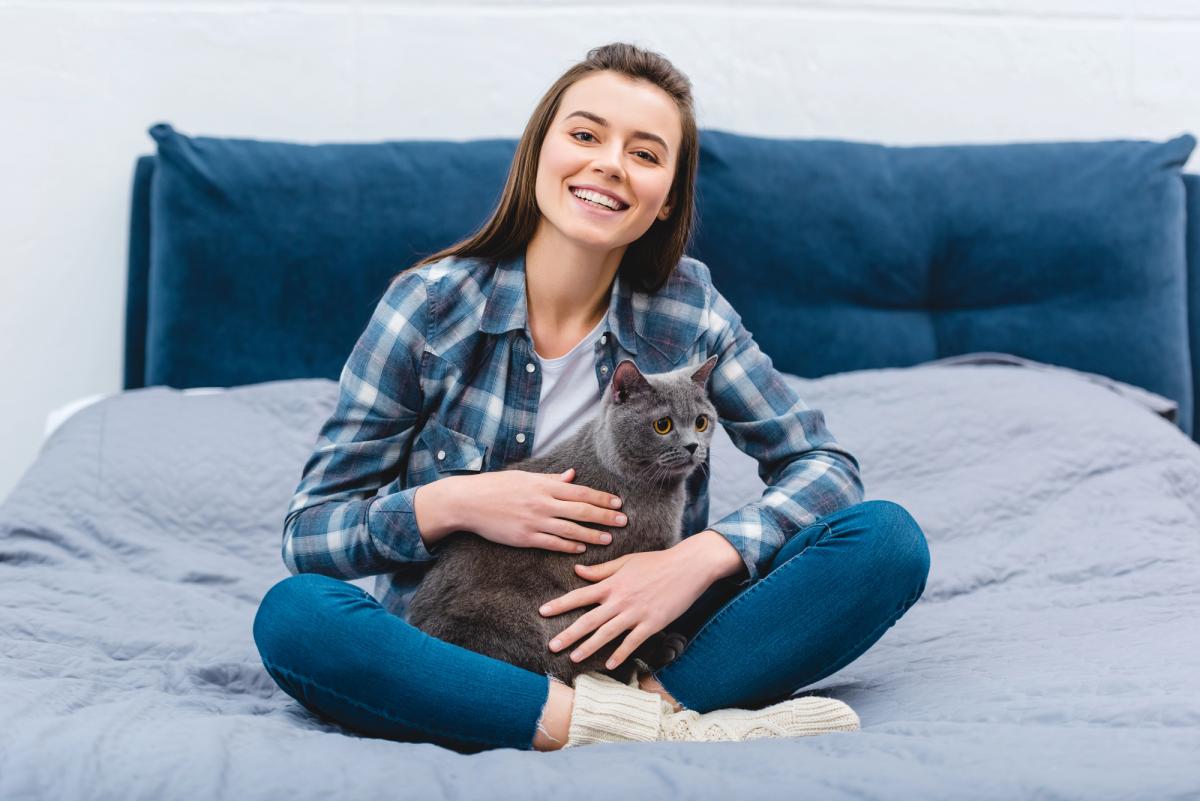
Cats have distinct personalities and vary widely in how much human contact they seek, but many genuinely enjoy being stroked. Experts have identified four key reasons why, according to Catster.
They get attention
Although some cats can appear aloof, many actively seek contact with their owners. Petting allows the animal to feel cared for, whether that is a quick stroke along the back at feeding time or a longer cuddle on the sofa.
They are marking you with their scent
Cats have scent glands in several areas, including near the base of the tail, on the cheeks, under the chin, at the corners of the mouth, near the base of the ears and on the temples. When a cat rubs these spots against furniture, other cats or a person, it is leaving its scent to mark territory and create a sense of a familiar, safe environment.
It strengthens the bond
Petting is one way a cat communicates with a person. Regular physical affection signals to the animal that it remains an important part of the household, and experts say it can also make a cat calmer and more confident over time.
It reaches spots they cannot groom alone
Cats spend considerable time grooming themselves, but the top of the head is difficult to reach without help, making strokes in that area particularly pleasurable. Experts also note that mother cats lick the heads of their kittens, so similar touch may echo that early care even into adulthood.
How and where to pet your cat
Most cats respond well to being stroked under the chin, but experts advise avoiding the paws, tail, whiskers and belly unless a strong bond of trust already exists, as those areas are especially sensitive. The best approach is to let the cat show where it wants to be touched; if it leans into a hand or offers its head, that is a sign of enjoyment.
Experts also warn that prolonged petting can sometimes tip into overstimulation, causing a cat to bite or scratch suddenly. Each cat has its own threshold, so watching for signs of discomfort and stopping in time helps preserve trust and keeps the interaction pleasant for both parties.


