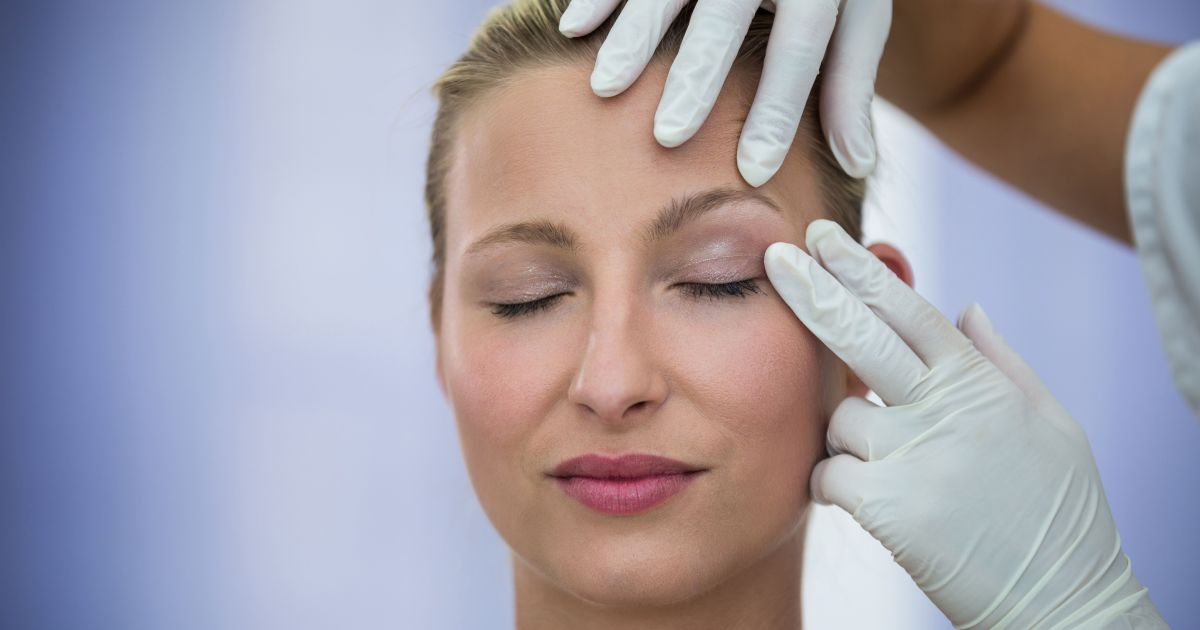
Plastic surgeon Raphael Alcalde has warned that facial lifting is a major surgical operation requiring strict hospital safety standards rather than a routine cosmetic intervention.
The reminder follows legal disputes and regulatory changes in 2026 surrounding dental practice in facial aesthetic procedures across Brazil, which have sparked renewed debate over practitioner qualifications and patient safety.
Alcalde noted that the widespread popularity of botulinum toxin, dermal fillers, biostimulators, and surgical facelifts on social media has created a misleading perception that these treatments are simply different degrees of the same procedure.
Surgical distinction from non-invasive procedures
Technically known as rhytidectomy, a facial lifting is an invasive surgical operation. It requires formal incisions, administration of anesthesia, manipulation of facial tissues, a structured post-operative recovery period, and explicit medical risks that patients must understand before making a decision.
In aesthetic care, non-surgical treatments such as dermal fillers or neurotoxin injections target specific volume loss or superficial skin wrinkles. However, medical specialists emphasize that minimally invasive treatments cannot replace surgical intervention when significant skin sagging and deep tissue displacement are present.
Modern rhytidectomy does not simply pull back the skin. Contemporary techniques focus on repositioning deep facial structures, including the superficial musculoaponeurotic system, commonly known as the SMAS layer, as well as neck structures when necessary.
The SMAS layer is a fibrous network of collagen and muscle beneath the subcutaneous fat that connects facial muscles to the skin. By repositioning this deep structural foundation, surgeons redistribute mechanical tension away from the skin surface to produce more durable and natural results.
Alcalde stated that while advancements in surgical technique allow for different extents of tissue detachment and customized approaches for each patient, technical evolution does not make rhytidectomy a simple or risk-free procedure.
Surgical complications and pre-operative evaluation
Facial lifting carries known surgical complications, including hematomas, infections, changes in skin sensitivity, impaired wound healing, skin necrosis, nerve damage, facial asymmetry, and the potential need for revision surgery.
In addition to localized surgical complications, patients face general anesthesia risks and less frequent but serious systemic events such as deep vein thrombosis and cardiopulmonary complications.
A surgical hematoma occurs when blood accumulates outside blood vessels within facial tissue, requiring prompt drainage to prevent tissue stress. Skin necrosis represents local tissue death due to compromised blood supply, highlighting why underlying circulatory health is critical during recovery.
Safety measures must begin well before entering the operating room. A thorough pre-operative assessment must evaluate patient age, baseline clinical conditions, blood pressure control, smoking history, current medication use, and previous surgical history.
Alcalde stressed that pre-operative planning must determine the appropriate surgical technique for each individual while ensuring that patient expectations align realistically with what surgery can achieve.
Regulatory standards and practitioner qualifications
The Brazilian Society of Plastic Surgery mandates that facial lifting operations must be conducted exclusively inside authorized surgical centers licensed by Sanitary Surveillance. These facilities must maintain specialized equipment and a trained medical team prepared to handle immediate emergencies.
The Brazilian Society of Plastic Surgery, known locally as the Sociedade Brasileira de Cirurgia Plástica, is the main professional body for board-certified plastic surgeons in Brazil. Sanitary Surveillance, or Vigilância Sanitária, serves as the country's national health inspection authority, ensuring operating facilities comply with strict sterilization and life-support standards.
The ongoing legal disputes in 2026 regarding regulations for dental practitioners performing facial aesthetic treatments highlight broader questions regarding professional scope, clinical complexity, and required facility infrastructure.
Patients are advised to research professional credentials and verify specialist registrations through official medical council channels before undergoing surgery. Alcalde emphasized that patients must inquire about where the surgery will take place, who will manage anesthesia, how post-operative follow-up will be conducted, and what emergency protocols are in place.
While achieving a natural appearance is a legitimate concern for patients seeking a facelift, safety must remain the primary criterion when selecting a practitioner and facility. As rhytidectomy is a major surgical act, patient safety begins long before the first incision is made.