

The European Broadcasting Union has proposed abolishing telephone and text message voting for the Eurovision Song Contest 2027, moving the selection process entirely online to curb coordinated manipulation of the results.
Under the proposed rules sent to member public broadcasters, every viewer will be required to choose three different entries online, with repeated voting for the same artist strictly prohibited.
The EBU, an international alliance of public service media organisations, runs the annual song contest. Organisers are seeking to safeguard the fairness of the competition following growing concerns over organised political voting campaigns.
Geopolitical Voting Concerns
In a letter hosted by the BBC, EBU Chief Executive Jean Philip De Tender and Reference Group President Ana Maria Bordas acknowledged that international politics were impacting voting outcomes.
The leadership highlighted that even without major paid campaigns and under a secure voting system, the current geopolitical climate led to votes for certain artists for reasons that had little to do with their performances. They added that while block voting was not new to Eurovision history, its current persistence was causing deep concern.
The EBU leaders stated that moving to online voting would help reduce the impact of organised campaign votes without undermining fairness or public trust in the contest.
Israeli Voting Controversies
The proposed changes follow controversy during the 2025 contest involving Israeli representative Yuval Raphael, who performed the song New Day Will Rise. Raphael finished 15th with professional juries but secured 297 points from the public televote.
During that contest, Israeli government officials, including Prime Minister Benjamin Netanyahu, publicly urged supporters to use the maximum limit of 20 votes per user. The EBU later reduced the individual voting limit from 20 to 10 votes.
Organisers issued a fresh recommendation to Israeli broadcaster Kan after the country's representative posted a video advising fans to vote 10 times for Israel. The EBU ruled that the posts violated the spirit of the competition and requested their withdrawal.
Sponsorship and Host Rules
Organisers also confirmed the end of a six-year sponsorship agreement with Moroccanoil, a hair care company that provided styling services for participating artists. The deal concluded amid public pushback regarding military activity in Gaza.
In addition, the EBU is establishing stricter governance requirements, including a ban on hosting the competition in countries involved in armed conflict or a sensitive geopolitical situation.
Other upcoming regulations will raise the minimum age limit for contestants to 18 years and place restrictions on the use of pre-recorded backing vocals.
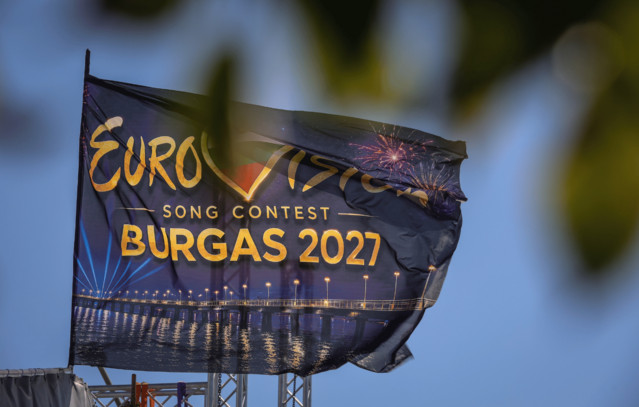
The 71st edition of the Eurovision Song Contest is scheduled to take place from May 12 to May 15, 2027. Bulgaria will host the event in the coastal city of Burgas, following the victory of singer Dara with her song Bangaranga.


