Bulgaria will host the 71st Eurovision Song Contest in the Black Sea port city of Burgas on May 11, 13 and 15, 2027. It marks the first time the Balkan nation will stage the international music event, with local and national authorities mounting a major preparation effort.
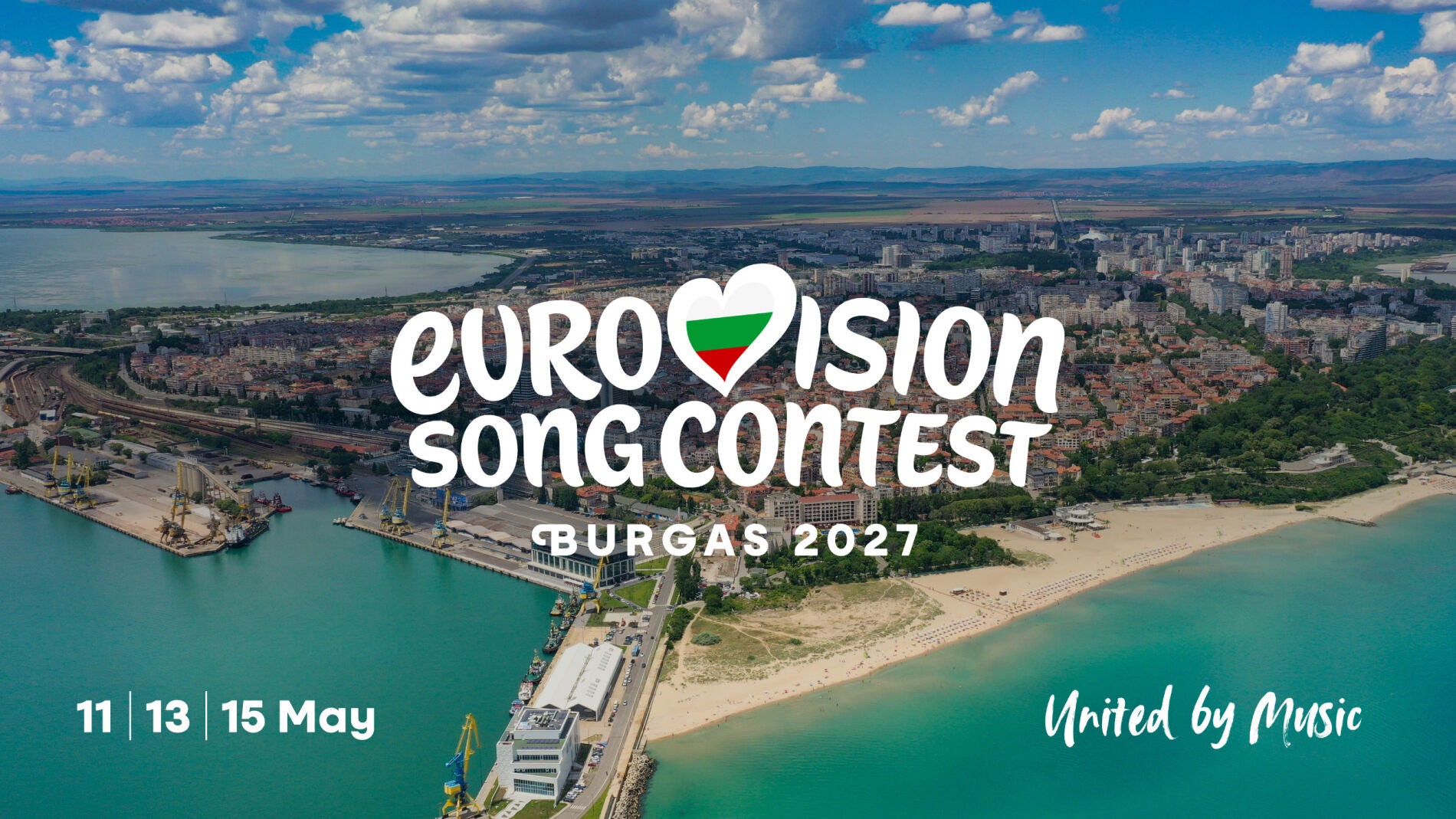
The government of Iliana Malinova Yotova has allocated 20 million euros in state funding to Burgas to propel preparations for the song contest. The coastal municipality will serve as the hub of European music as public broadcasters across the continent begin finalizing their plans.
Burgas is a major port city and commercial hub situated on Bulgaria's Black Sea coast. The Eurovision Song Contest is organized annually by the European Broadcasting Union, an international alliance of public service media organizations based in Geneva, Switzerland, that has overseen the competition since its inception in 1956.
Confirmed participants and selection methods
Although the definitive list of participants is not yet finalized, 22 countries have already confirmed or advanced their intention to compete in Burgas. The initial roster includes Albania, Austria, Bulgaria, Canada, Denmark, Finland, Germany, Greece, Israel, Italy, Latvia, Lithuania, Luxembourg, Malta, North Macedonia, Norway, Poland, Romania, San Marino, Sweden, Switzerland and the United Kingdom.
Several participating public broadcasters have already defined the specific mechanisms they will use to select their artists and songs. Denmark will rely on the Dansk Melodi Grand Prix, Finland will select its entry through UMK, Italy will use the Sanremo Festival as its reference, and Sweden will stage another edition of its Melodifestivalen competition.
National selection competitions are long-standing television traditions in several participating countries. Italy's Sanremo Music Festival, created in 1951, served as the original inspiration for Eurovision itself, while Sweden's Melodifestivalen is among the most watched annual television broadcasts in Scandinavia.
Timeline for song selections
The selection of artists and songs for Eurovision 2027 will take place primarily between late 2026 and the early months of 2027. Broadcasters in Denmark, Finland, Italy, Latvia, Luxembourg, San Marino and Sweden have already fixed exact dates for their national finals.
Other public television networks have yet to specify the exact timing and format of their selection processes. Consequently, the lineup of participating countries may experience further updates in the coming months as new confirmations or potential withdrawals emerge.
Attention remains focused on public broadcasters that skipped the 2026 competition and have not yet announced their intentions regarding the 2027 edition in Bulgaria.
Netherlands announces non-participation
Among the decisions already finalized is that of the Netherlands. Dutch public broadcaster AVROTROS announced on August 24 that it will not participate in Eurovision 2027, marking the second consecutive year the network has chosen to stay away following its absence from the 2026 event.
The decision by AVROTROS is linked to the participation of Israel and a disagreement over conditions required to guarantee the neutrality of the contest. Although the European Broadcasting Union introduced changes to its competition rules, AVROTROS stated that the modifications do not resolve its primary objections and opted not to send an entry to Bulgaria.
AVROTROS is an established public broadcaster within the Dutch public broadcasting system, known as NPO. The overarching NPO administration will determine the next steps regarding the national broadcasting position.
Undecided nations and Spain's status
The list of competing nations remains open as several broadcasters have yet to make a final statement. Ireland, Iceland and Slovenia, which were also absent from the 2026 edition, have not confirmed whether they will return for the 2027 event.
Spain's status represents one of the main unresolved questions ahead of Eurovision 2027. Spanish public broadcaster RTVE opted not to participate in the 2026 contest after the European Broadcasting Union confirmed Israel's inclusion, ending a continuous historical record of Spanish participation in the event.
Spain is currently not listed among the confirmed participants for 2027, with no representative chosen and no selection process underway. RTVE's final decision remains dependent on Israel's participation and the broadcaster's position regarding the revised rules established by the European Broadcasting Union.
Radiotelevisión Española, known as RTVE, is Spain's state-owned broadcaster and has competed in Eurovision since 1961. As public broadcasters across Europe review the new framework, Spain faces the choice of returning to the contest or maintaining the withdrawal stance adopted in 2026.