Spanish director Óscar Bernàcer has released his debut feature, "Enjambre," a bleak and unsettling rural thriller that critic Carmen L. Lobo has awarded three and a half out of five stars in her review. Lobo describes the film as mature, disquieting, pessimistic and at times oppressive.
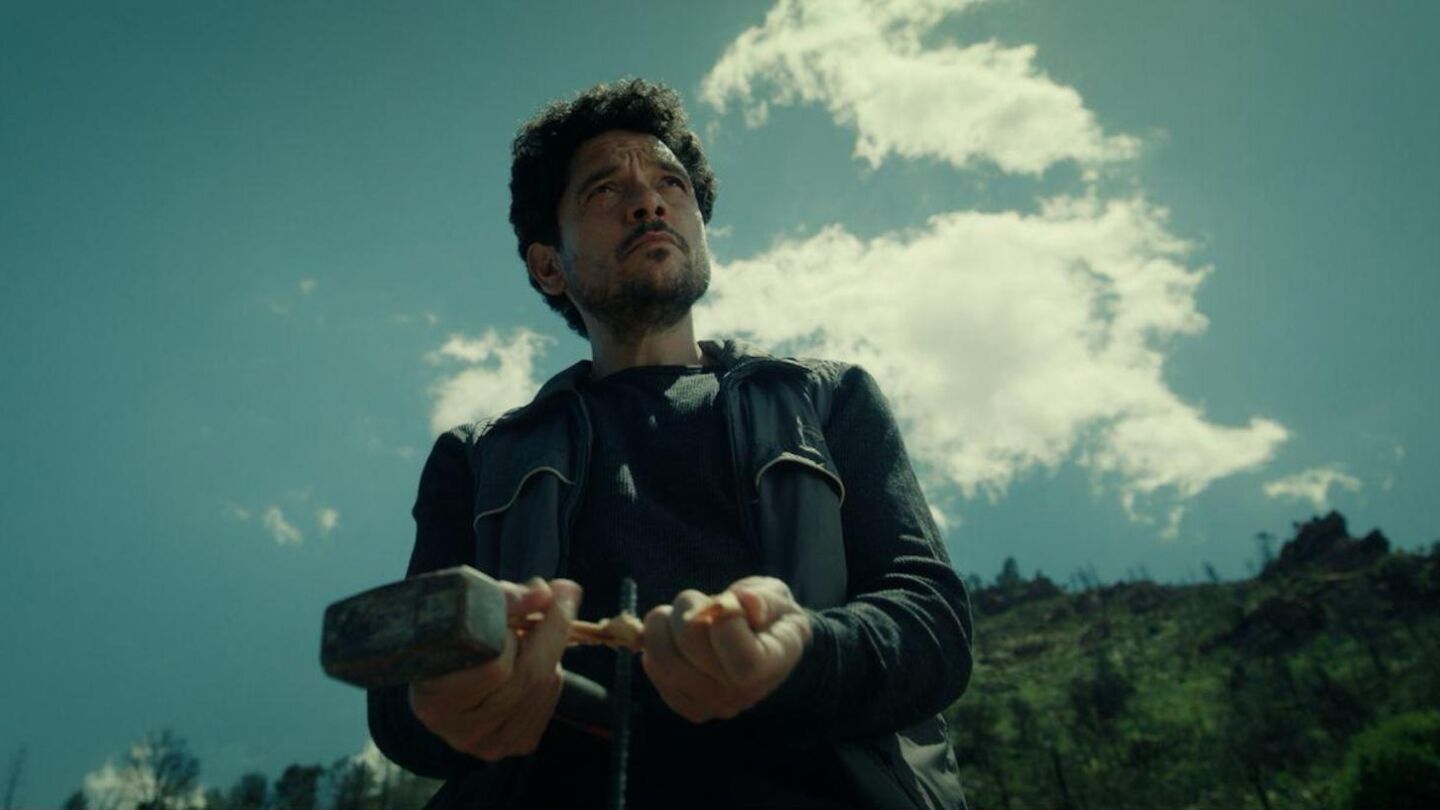
The screenplay, written by Joana M. Ortueta and Jordi Juan M., centers on Lluc, played by Pablo Molinero, a man who has lost everything, though the film never makes entirely clear to the audience why. The cast also includes Pablo Derqui alongside Cristina Fernández Pintado and María Maroto.
During a night of heavy drinking, Alba, played by Fernández Pintado, offers Lluc a way out. She invites him to join an isolated community living clandestinely in a remote, beautiful corner of what is often called "España vaciada," or emptied Spain, a term used to describe the country's vast, sparsely populated interior regions that have lost residents to decades of migration toward cities.
The settlement, called Malpàs, is home to a group of people whose own pasts may not have been exemplary, according to Lobo's review, and who hope to redirect their lives by living together in apparent harmony and goodwill. The group is trying to solve a persistent water shortage in the village, one connected to the mysterious and recurring appearance of dead sheep in the well the entire community shares, which leaves the water undrinkable.
Lluc agrees to join and seems, more or less, content at first. But he gradually becomes aware that daily life in Malpàs is governed by strict rules, ranging from an almost total ban on alcohol to a prohibition on ever stepping outside the settlement under any circumstances.
Hidden Secrets and a Queen Bee
As the days pass, Lluc falls for Silvia, played by María Maroto, a woman who has a partner but wants, above all, to become a mother. He begins to suspect that the people around him, including a sinister beekeeper and Alba herself, hide dark secrets and unhealthy intentions.
Lobo's review singles out Alba as the undisputed leader of the group, calling her the true queen bee of this corrupted "Enjambre," the Spanish word for swarm that gives the film its title and its central image.
Lobo notes that Bernàcer's tense rural and psychological thriller carries echoes of "The Village," the 2004 film directed by M. Night Shyamalan that divided critics and audiences at the time of its release. Like that film, "Enjambre" builds its tension around an isolated community whose outward peace conceals something far darker.
Disenchantment With Utopias
According to Lobo, the film expresses open disenchantment with the idea of utopia and with the notion that individuals can truly break away from wider systems, whether educational or economic, to live in a kind of social paradise. She writes that such paradises tend to fall apart like wet wood, because the dreams that sustain them often mask an inflexible method in which anyone who challenges the group pays with their life, or, perhaps worse, with what she describes as a living death.
What the Critic Liked and Disliked
Among the film's strengths, Lobo praised its unsettling atmosphere and Bernàcer's ability to sustain tension throughout the film's 100-minute running time. Her chief criticism was that the film leaves audiences wanting more information about certain characters.
"Enjambre" is a Spanish production released in 2026 and marks Bernàcer's first feature as a director. The review was written by Carmen L. Lobo, who spent eleven years at the newspaper ABC before joining La Razón, where she has worked since the paper's founding.