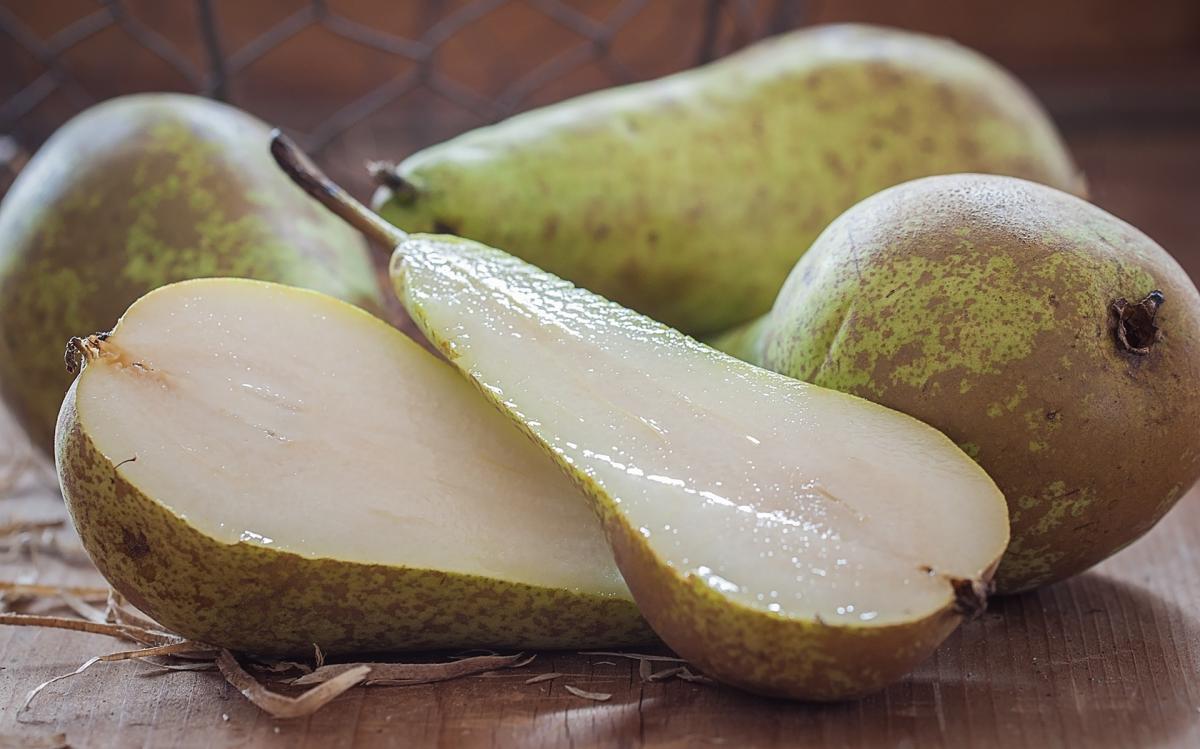
Health publication Verywell Health has highlighted eight everyday foods that contain as much or even more dietary fiber than a medium pear.
A medium pear provides roughly 5.5 grams of fiber, making it a recognized baseline for health-conscious consumers. However, several other fruits, seeds, and legumes match or exceed that threshold, according to data compiled by the online health publication.
Research published in the peer-reviewed medical journal Nutrients indicates that dietary fiber supports normal digestive function, helps maintain healthy cholesterol levels, and promotes prolonged feelings of fullness. Fiber refers to the non-digestible portion of plant foods that passes through the digestive tract.
Increasing fiber intake is straightforward when incorporating foods such as lentils, beans, seeds, fruits, and vegetables into daily meals. However, individuals who previously consumed low amounts of fiber should begin with small portions to prevent abdominal discomfort or bloating.
Adequate hydration is also critical when boosting fiber consumption. Verywell Health explained that certain types of dietary fiber absorb water within the gastrointestinal tract, forming a gel-like substance that enables the digestive system to function effectively.
Seeds and Legumes With High Fiber Content
Chia seeds top the list of high-fiber alternatives. According to the Academy of Nutrition and Dietetics, a two-tablespoon serving weighing 28 grams delivers 10 grams of dietary fiber. The Chicago-based organization is the largest association of food and nutrition professionals in the United States.
Verywell Health reported that chia seeds contain substantial quantities of fiber alongside omega-3 fatty acids, which benefit cardiovascular health. The tiny seeds swell when soaked in liquids, making them suitable for preparing chia pudding with dairy milk or plant-based beverages. They can also be sprinkled over yogurt, added to oatmeal, or blended into smoothies.
Cooked green peas provide another concentrated source of the nutrient. Data from the United States Department of Agriculture shows that a half-cup serving of cooked peas contains 8.2 grams of fiber. The federal executive department monitors nutritional composition across food products.
As members of the legume family, peas are rich in soluble fiber, which can lower blood cholesterol levels. They also provide essential protein and B vitamins. Verywell Health recommended split pea soup as a classic option, while suggesting that cooked peas can be added to casseroles or curries to increase nutritional density.
Berries and Plant Protein Sources
Raspberries rank among the fruits with the highest fiber content available. A single cup of fresh raspberries supplies 8 grams of dietary fiber. The berries also contain antioxidants that support general health and immune function.
Fresh raspberries can be consumed directly, tossed into breakfast cereals, mixed into yogurt, or blended into smoothies. Frozen raspberries serve as an effective ingredient for baking projects or as a sweet topping for warm oatmeal.
Lentils offer 7.8 grams of fiber per half-cup serving of cooked legumes. A study published in the scientific journal Current Research in Physiology confirmed that lentils are also packed with plant-based protein, iron, and folate. Folate, also known as vitamin B9, plays a vital role in cell growth and red blood cell formation.
Verywell Health noted that lentils can be incorporated into soups, stews, and fresh salads, or mashed to form vegetarian patties. A simple lunch idea includes combining cooked lentils with fresh tomatoes and cucumbers.
Beans, Avocados and Additional Fiber Alternatives
Pinto beans deliver 7.7 grams of fiber per half-cup serving when cooked. In addition to high protein content, pinto beans contain key vitamins and minerals essential for health. Preparing a large batch of pinto beans at home to store in the refrigerator allows home cooks to easily add fiber to various dishes throughout the week.
Black beans provide 7.5 grams of fiber per half-cup serving when cooked, along with significant amounts of protein and antioxidants. They are commonly featured in salads, tacos, burrito bowls, and warm soups.
Avocados stand out as a nutrient-dense fruit, with half of a single avocado offering 7 grams of dietary fiber. Beyond fiber, avocados contain heart-healthy monounsaturated fats, potassium, and vitamin E. They can be enjoyed in green salads, spread over whole-grain toast, or mashed into guacamole.
Lima beans round out the top eight list, delivering 6.6 grams of fiber per half-cup cooked serving. They provide a solid source of plant protein, iron, and magnesium, making them a versatile addition to soups, stews, or cold salads.
Ukrainian news outlet UNIAN previously reported that blackcurrants represent another exceptional source of dietary fiber, containing four times more fiber than fresh plums. A 100-gram serving of blackcurrants provides approximately 7 grams of fiber, matching the fiber density of dried plums. UNIAN noted that blackcurrants are particularly beneficial for individuals seeking to support gut health or manage body weight.