

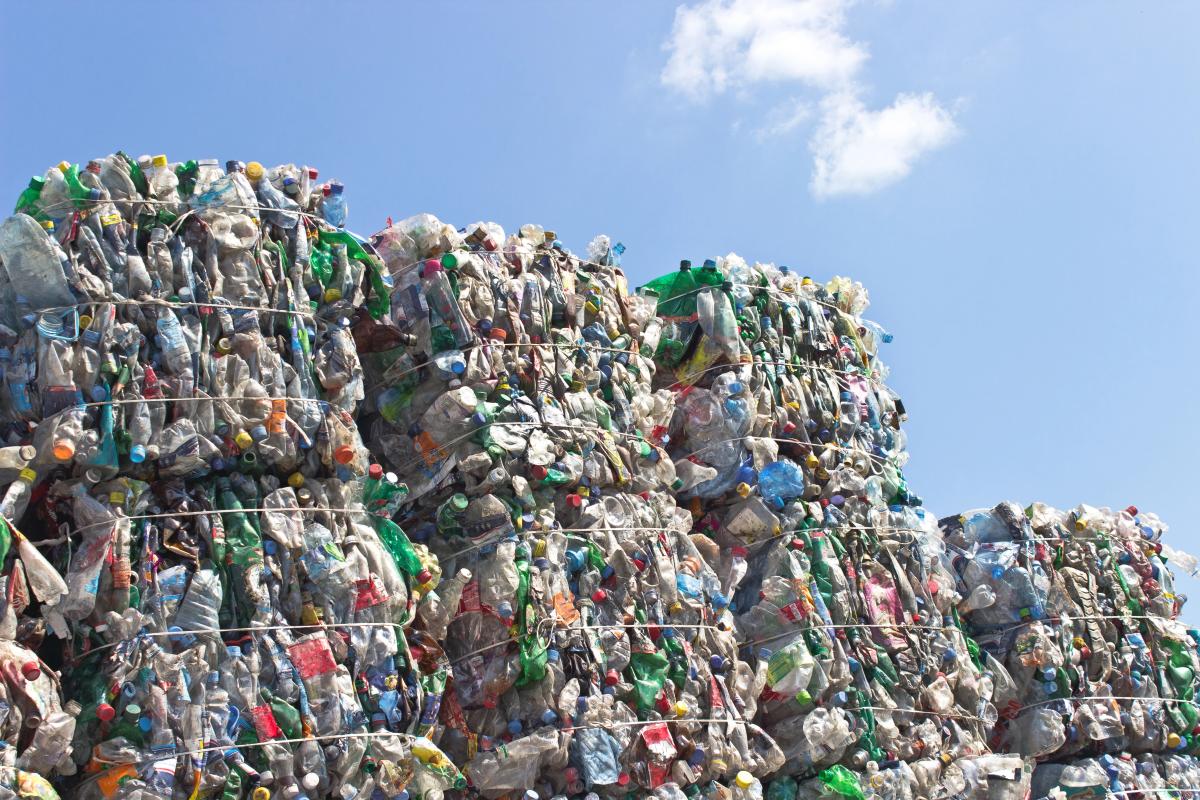
Social enterprise EcoDom is processing 5.5 tonnes of plastic waste daily in Puebla to build durable housing for low-income Mexican families.
The central Mexico processing plant converts discarded plastic bottles and old toys into heavy-duty building panels for walls and roofs. The operation provides structurally sound housing for marginalized communities while simultaneously diverting tons of non-biodegradable synthetic trash from local landfills and waterways.
Developed in 2013 in the state of Puebla, the manufacturing process was designed to address environmental degradation alongside a chronic shortage of decent shelter. Within three years of commencing operations, the company built 500 room extensions for municipal housing schemes and secured government contracts to construct 300 complete homes in neighboring towns, according to a report by The Times of India.
Puebla, located in central Mexico southeast of Mexico City, is a major industrial state where rapid urban growth has exacerbated severe social inequality. According to government and regional statistics cited in a report by media organisation Unreasonable Group, 64 percent of the population in Puebla lives in poverty. On a national level, World Bank estimates show that 11.5 million Mexicans live in extreme poverty, surviving on 1.25 US dollars or less per day, leaving many families without safe or basic shelter.
EcoDom founder Carlos Daniel Gonzalez established the enterprise after witnessing the environmental toll of uncollected rubbish during his youth in Puebla. Gonzalez recalled seeing plastic trash polluting towns and harming both humans and animals throughout his childhood. Having cared about environmental preservation from an early age, he decided he had to create and manage a practical solution to the crisis.
Describing local living conditions, Gonzalez stated that he resides in a region marked by severe poverty and marginalization. He noted that some residents live in terrible conditions in structures that cannot be considered proper homes. He expressed a clear vision to assist as many people as possible in escaping extreme poverty and obtaining a decent life while simultaneously cleaning up his country.
Manufacturing Process and Building Specifications
To produce the structural panels, workers collect discarded plastic items and sort them by material type. This sorting phase is critical to isolate and remove synthetic polymers that could emit toxic gases when heated. Once sorted, a machine cuts the selected plastic into small, uniform pieces suitable for processing.
Workers then load the shredded plastic into industrial ovens heated to 350 degrees Celsius. After remaining in the ovens for 30 minutes, the melted plastic mass is transferred into a heavy industrial hydraulic press. The press compresses the hot material into dense, solid panels measuring approximately 2.4 metres long, 1.2 metres wide, and 2.5 centimetres thick.
The Puebla plant manufactures 120 panels per day, recycling massive quantities of synthetic waste. Constructing a complete 40-square-metre home requires 80 individual panels. The finished house layout features two bedrooms, a bathroom, a living area, and a kitchen.
Gonzalez stated that assembling a complete house requires just seven days of work and consumes two tonnes of recycled plastic waste. He emphasized that the finished buildings retain internal heat, carry low production costs, benefit the environment, and will last for 100 years without structural breakdown, noting these features as primary advantages of the system.
Municipal Contracts and Subsidized Housing Pricing
EcoDom operates as a private construction business that supplies building components directly to municipal governments and non-governmental organisations participating in subsidized social housing initiatives. Under these government-backed programs, eligible low-income families pay roughly 5,000 Mexican pesos for a fully constructed two-bedroom home.
Data provided by Unreasonable Group details the individual production costs for the structural components. Roof panels cost 600 Mexican pesos to manufacture, exterior wall panels cost 650 pesos, and interior dividing wall panels cost 500 pesos.
The company launched its first major municipal project in the city of Huauchinango, located in northern Puebla state. Local municipal authorities hired EcoDom to supply panels for 500 room additions, with each extension measuring approximately 12.5 square metres. Following the completion of the Huauchinango project, municipal officials in Chiconcuautla contracted EcoDom to construct 150 standalone houses measuring 42.7 square metres each. Authorities in Pahuatlan subsequently signed a contract of identical scale to build another 150 houses.
Supply Chain Impact on Informal Waste Collectors
In addition to constructing low-cost shelter, EcoDom has altered local waste collection dynamics by integrating informal trash pickers, known in Mexico as pepenadores, into its supply chain. Informal waste collectors in Mexico historically received minimal payment from commercial recycling plants, with some earning as little as 1.5 pesos, or six US cents, per kilogram of collected plastic.
To ensure a steady daily delivery of plastic for its facility, EcoDom established formal purchasing agreements that pay local collectors significantly higher rates per kilogram. By offering improved pricing, the enterprise nearly doubled the daily income of several independent waste gatherers in the area while securing the five and a half tonnes of plastic required daily to keep the recycling plant operating at capacity.
The enterprise operates within a severe global environmental context. Data cited by Unreasonable Group shows that less than five percent of all plastic produced globally is recycled or diverted from landfills. Between 10 million and 20 million tonnes of plastic enter oceans each year, and certain synthetic materials require up to 1,000 years to decompose in natural environments.
Plans for Future Expansion
Following its operational success in Puebla, Gonzalez stated that he intends to expand factory capacity, pursue larger national construction contracts across Mexico, and export the building framework to other countries struggling with housing deficits. He noted that the growth potential is exponential due to the vast scale of waste accumulation in Mexico and worldwide.
Gonzalez outlined plans to scale company operations tenfold in the coming year, initially concentrating on domestic expansion before entering foreign markets within three to five years. He stated that because poverty is present everywhere and the world is a shared home, expanding the business model is a cause worth pursuing, adding that he intends to dedicate the remainder of his life to the initiative.
Company production records and municipal agreements demonstrate how pairing low-cost recycling technology with municipal housing subsidies can convert environmental waste into permanent, affordable shelter for marginalized communities.


