

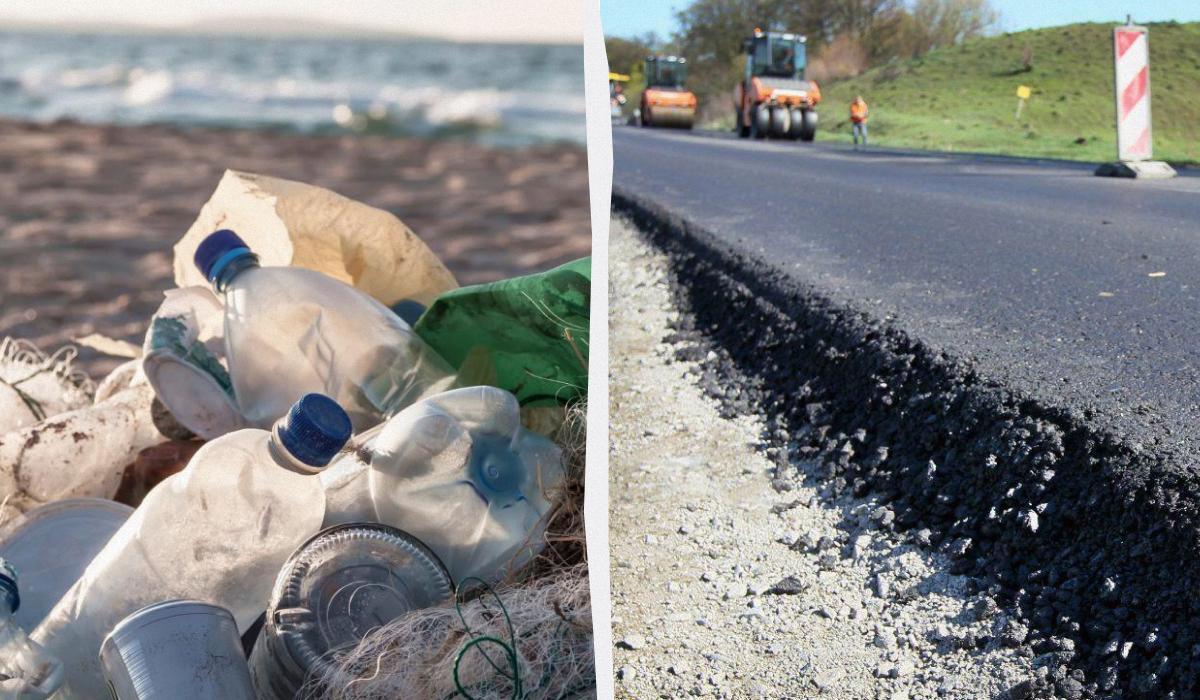
Thousands of used milk bottles in Shanghai were given a second life in 2021, when more than 6,000 bottles and other plastic waste were used in a road project at the East China University of Science and Technology (ECUST). The material, which recyclers had often refused to accept, was turned into part of a polymer-modified asphalt road surface.
The project was unveiled on Earth Day and was developed by the chemicals company Dow together with the dairy brand Shiny Meadow to address the problem of hard-to-recycle plastic, according to The Times of India. Rather than becoming waste, the bottles were processed for use in road paving, offering an unusual outlet for plastic that had little value in conventional recycling.
The approach showed how discarded packaging could be redirected into infrastructure, potentially reducing the amount of plastic sent to landfill while testing new uses for materials that are difficult to recycle. It also highlighted the potential of partnerships between companies and universities.
Why milk bottles were hard to recycle
According to an official Dow press release, milk bottles were technically suitable for recycling, but recyclers often declined to take them because leftover milk residue caused high levels of contamination. That meant material which could in theory be recycled often ended up treated as waste instead of a useful resource.
Shiny Meadow also acknowledged the difficulty of dealing with bottles at the end of their working life. Lin Rong, the brand's director, said the company already used recyclable packaging materials, but a gap remained for bottles that recycling facilities regarded as low-value plastic.
Lin said the company was glad to have found a meaningful use for its empty bottles, describing the road project as a way to give the packaging a more circular path.
How Dow turned plastic waste into road material
Dow's solution involved collecting hard-to-recycle plastic and converting it into post-consumer recycled plastic for polymer-modified asphalt. The recycled material was then incorporated into the paving process, turning thousands of discarded bottles into part of the infrastructure at ECUST's Xuhui campus.
In total, the project used more than 6,000 used milk bottles along with other plastic waste. It was also presented as an example of how materials science can create new applications for plastic that conventional recycling systems have struggled to handle.
Bambang Chandra, Dow's vice president of commercial affairs for packaging and specialty plastics in the Asia Pacific region, said the company was using its materials science expertise to help find new applications for used bottles. He added that Dow hoped the project would inspire other brand owners to look for ways to cut plastic waste.
How a plastic road could cut emissions
The project was conceived as more than simply repackaging unwanted plastic in another form. Dow said that keeping waste out of the environment, reducing the amount of bitumen needed and potentially extending the lifespan of roads could also lower greenhouse gas emissions and energy consumption.
The company presented the road as an example of turning a waste problem into a useful application in infrastructure. For Shiny Meadow, the project fit into a broader idea of circularity. Lin Rong said the company wanted its plastic packaging to follow a circular path rather than the traditional take-make-use model.
The road offered one possible destination for plastic bottles that had little value to conventional recyclers, giving discarded packaging a practical use once its original purpose had ended.
Dow's recycled-plastic road projects across Asia
The Shanghai project formed part of Dow's wider work using recycled plastic in roads across Asia. The company said it began improving roads with recycled plastic in Depok, Indonesia, in 2017. It later worked with partners in India on roads in Pune and Bangalore, and began a collaboration with the Siam Cement Group in Thailand.
ECUST viewed the Shanghai road as a practical demonstration of how unconventional approaches could be used to tackle plastic waste. Professor Li Tao, the university's vice president, said the institution hoped the collaboration would inspire students to explore unusual solutions in sustainability and apply creative ideas on a broader scale.


