

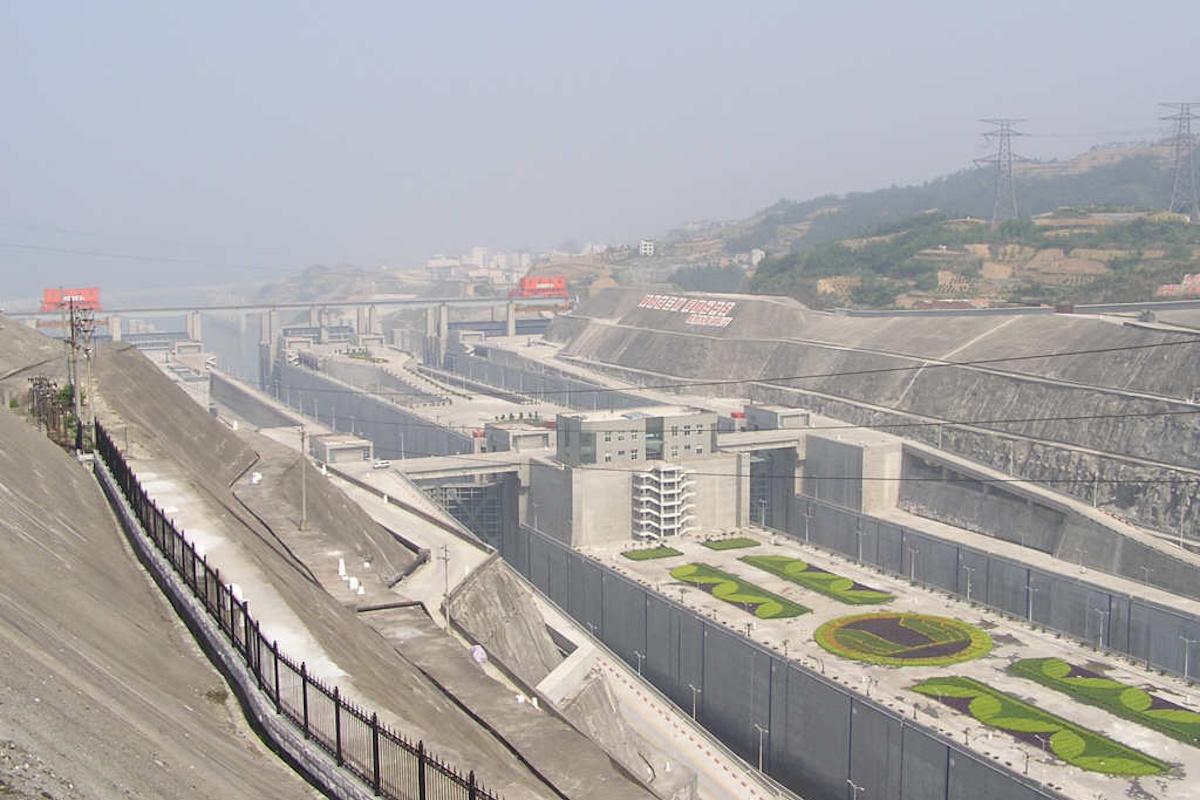
China has started construction on a giant hydroelectric power station in southeastern Tibet with roughly three times the capacity of the Three Gorges Dam.
The mega project is being built on the Yarlung Zangbo River, where the waterway plunges more than 2,000 metres across a distance of about 50 kilometres. Polish news outlet Wprost reported that the steep elevation drop provides exceptionally high potential for generating hydroelectric power.
Calculations cited by Wprost indicate that the station is expected to produce about 300 billion kilowatt-hours of electricity every year. That annual output is nearly double the total electricity consumed by all of Poland in a year.
Power generated by the project will meet local needs in Tibet while being sent across powerful transmission lines to China's industrial eastern provinces. The electricity will also supply data centres, where energy demands are expanding rapidly due to the growth of artificial intelligence technology. Large data facilities require massive power supplies to run server hardware and cooling machinery.
Border Location and Regional Water Control
The hydroelectric facility is located in Medog County, situated close to a disputed section of the border between China and India. Medog County is located in the remote Nyingchi prefecture of southeastern Tibet, near the eastern edge of the Himalayan mountains.
Wprost reported that the system of dams will give China control over a major portion of the water resources that flow downstream into India and Bangladesh. The infrastructure will allow operators to hold back water during dry seasons or release sudden discharges during monsoon periods.
Water management along the river is a major concern for India because the Yarlung Zangbo, known downstream as the Brahmaputra River, provides a vital share of India's fresh water supply. The river originates from glaciers on the Tibetan Plateau before flowing through northeastern India and entering Bangladesh to merge into the Bay of Bengal.
Construction Timeline and Geophysical Impact
Engineers face severe challenges due to the rugged mountain terrain and complex geography, meaning full completion of the dam network could take around 10 years. Individual project phases are set for commissioning during the 2030s, with commercial operation scheduled to start in 2033.
Wprost noted that in 2005, NASA geophysicist Benjamin Fong Chao studied the environmental effects of the Three Gorges Dam reservoir. He concluded that the vast mass of impounded water was large enough to affect the rotation speed of Earth, although by a minute degree. NASA, the National Aeronautics and Space Administration, is the space agency of the United States.
The Three Gorges Dam, located on the Yangtze River in central China's Hubei province, currently stands as the world's largest power station. According to Wprost, the massive new hydroelectric station in Tibet could potentially exceed the minor rotational impact caused by the Three Gorges reservoir.


