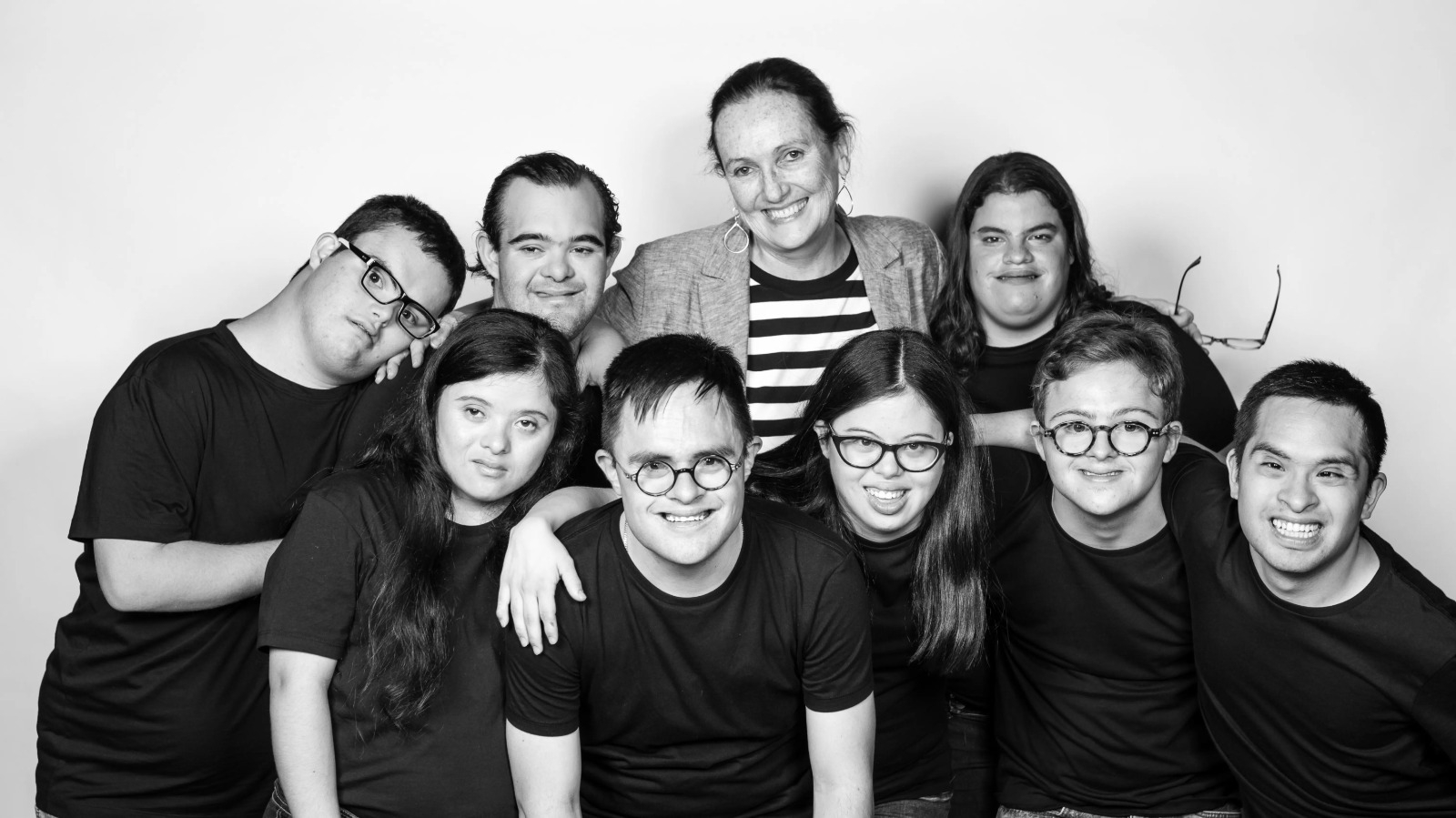
Theatre director Chela De Ferrari has premiered her debut documentary film Ser Hamlet at the 2026 Lima Film Festival in Peru. The feature chronicles the creation of her internationally acclaimed stage adaptation of William Shakespeare's tragedy starring actors with Down syndrome.
The documentary enters the festival in a new section dedicated to Latin American cinema. It captures the rehearsals, personal milestones, and backstage challenges of the production, which represented Peru across 50 countries and nearly 60 cities worldwide.
De Ferrari serves as the artistic director of Teatro La Plaza, a prominent performing arts venue and theatre company based in the Peruvian capital of Lima. Her stage work frequently tackles social issues and advocates for equity, diversity, and artistic inclusion.
The theatrical project began in October 2019 when cast members gathered on stage to rehearse hip hop choreography following a year of preparation. De Ferrari had spent years searching for a way to reinvent Shakespeare's classic play, but lacked the lead performer to anchor the story.
The breakthrough came when Jaime Cruz, a front of house customer service worker at Teatro La Plaza, approached De Ferrari to share his dream of acting. Cruz joined an ensemble cast that included Octavio Bernaza, Lucas Demarchi, Manuel García, Diana Gutiérrez, neurodivergent actor Cristina León Barandiarán, Ximena Rodríguez, and Álvaro Toledo.
Audition process and political inspiration
Cast members viewed the theatre as an opportunity to demonstrate their capability in professional fields. During auditions, Bernaza performed a monologue and persuaded De Ferrari to dance cumbia with him after singing a song in the Latin American music genre. He was accepted into the cast shortly after his parents received official notification.
Bernaza took on the role of the villain Claudio. During a late-night rehearsal for Claudio's central speech, De Ferrari suggested finding inspiration from a public figure. Bernaza pulled up videos of former Peruvian president Alan García on his mobile phone to shape the character's political mannerisms.
The production faced skepticism prior to its Lima premiere. Initial audience figures were low due to widespread prejudices that assumed the play would be naive or intended solely for children. Attendance grew after word of mouth spread and advocacy groups, including the Peruvian Down Syndrome Society, mobilized families to fill the theatre.
Adapting theatrical memory to cinema
De Ferrari chose to film the rehearsal period before opening night after theatrical specialists warned that the play might require a year of work without ever reaching the stage. Rather than abandoning the project, she used the warning to strengthen her resolve and document the journey on video.
Transitioning to film editing presented new challenges for De Ferrari, who had worked exclusively in theatre. Armed with 500 hours of raw footage, she devised a review system assigning up to three hearts to exceptional scenes. Producer Nuria Frigola advised her to select a single key sequence to launch the edit.
De Ferrari began by editing a five-minute scene where cast member Manuel García delivers a harsh insult to the character of Gertrude. She discovered that the tightly edited sequence captured the emotional truth of her memory far better than the unedited archival recordings.
The technical team for Ser Hamlet includes film editor Nicolé H. Céspedes, who previously worked on the Peruvian drama Canción sin nombre, and cinematographer Mathew Orzel, known for his work on the environmental documentary El choque de dos mundos.
Theatre as an act of resistance
Speaking at the launch of Teatro La Plaza's 2026 season, De Ferrari described theatre as an act of resistance against public rhetoric opposing diversity and equity. She noted that working on Hamlet transformed her personal life and expanded her technical skills as a director.
The director sought to highlight non-traditional voices on stage, turning traits typically viewed as limitations into artistic strengths. She highlighted moments such as Bernaza standing on a chair in the middle of the audience struggling to find a word as deeply human and theatrical experiences.
Teatro La Plaza has a history of controversial productions. De Ferrari noted that her staging of La Cautiva, a play set in Ayacucho dealing with state violence during Peru's internal armed conflict, marked a turning point for the company after authorities nearly arrested the production team. She also directed an adaptation of Shakespeare's Much Ado About Nothing that generated public debate.
The cast recently gathered at De Ferrari's house to watch a private screening of Ser Hamlet while preparing for their upcoming production of Shakespeare's comedy Twelfth Night. Bernaza, who plans to marry soon, expressed immense excitement about seeing himself on the big screen for the first time alongside his family at the festival premiere.