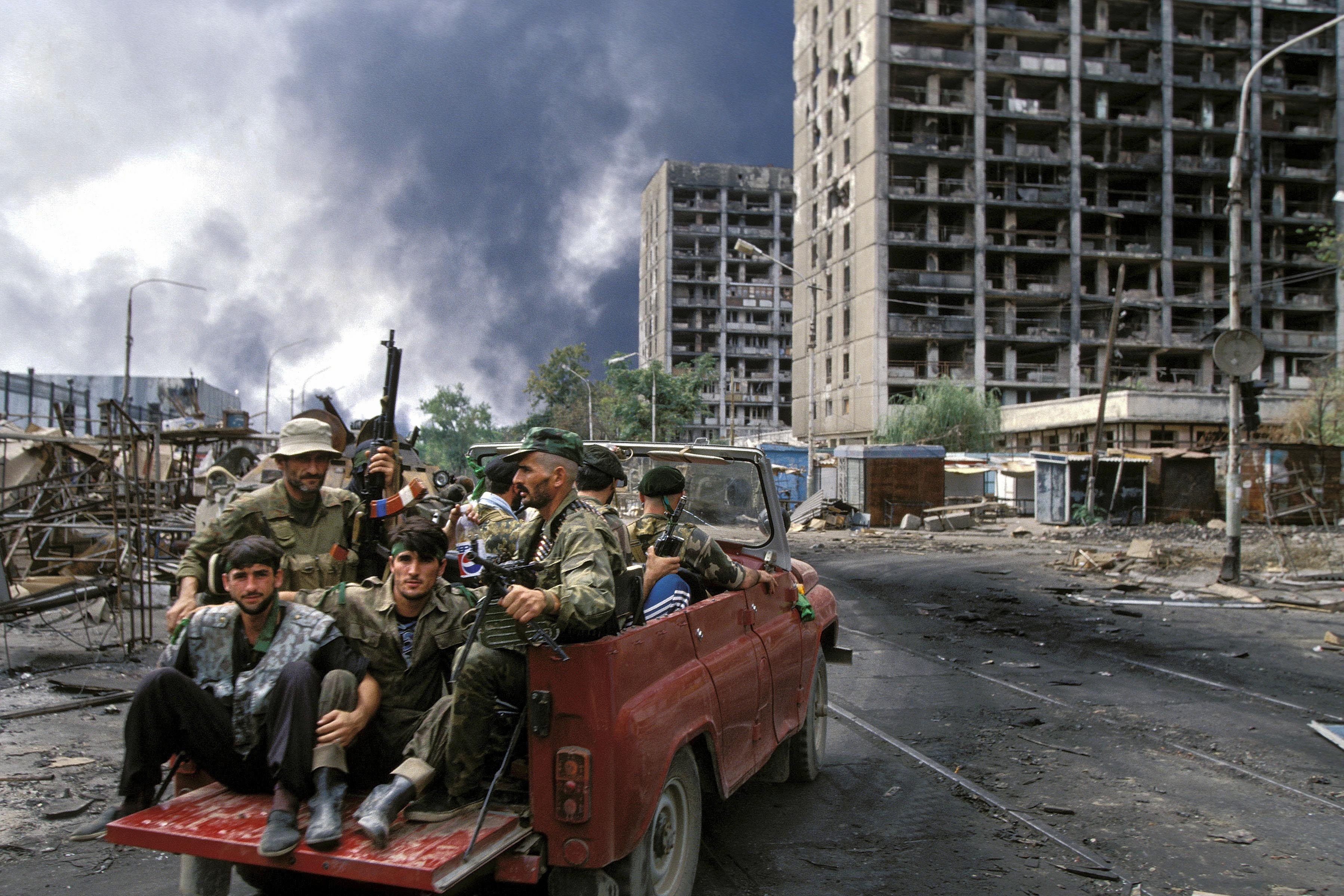
Chechen militants launched an assault on the capital of Grozny thirty years ago on August 6, 1996, attacking federal forces controlling the city. The assault resulted in heavy casualties and days of intense urban combat before Russian troops surrounded the attacking forces. Russian military commanders later stated that political leaders arriving in Chechnya prohibited troops from opening fire and entered negotiations, leading to the controversial Khasavyurt Accords.
The conflict had escalated earlier that year following political maneuvers in Moscow. In late May 1996, Russian President Boris Yeltsin met in the Kremlin with Zelimkhan Yandarbiyev, who took leadership of rebel Chechnya after Dzhokhar Dudayev was killed by federal forces. Yandarbiyev demanded negotiations on equal terms, expressed offense at the tone of the Russian president, and threatened to leave. Despite the tension, the two leaders signed a ceasefire agreement scheduled to begin on June 1.
Television journalist Leonid Parfenov compared the subsequent actions of the Russian leadership to Byzantine trickery. While Yandarbiyev and his delegation remained under guard at a mansion in the Moscow region, Yeltsin flew unannounced to Chechnya. Standing on an armored personnel carrier, Yeltsin told soldiers that the war was over and that they had won, before signing a decree for the early demobilisation of troops serving in conflict zones. The truce quickly broke down, leading to renewed fighting in Chechnya and a series of bombings across Russian regions.
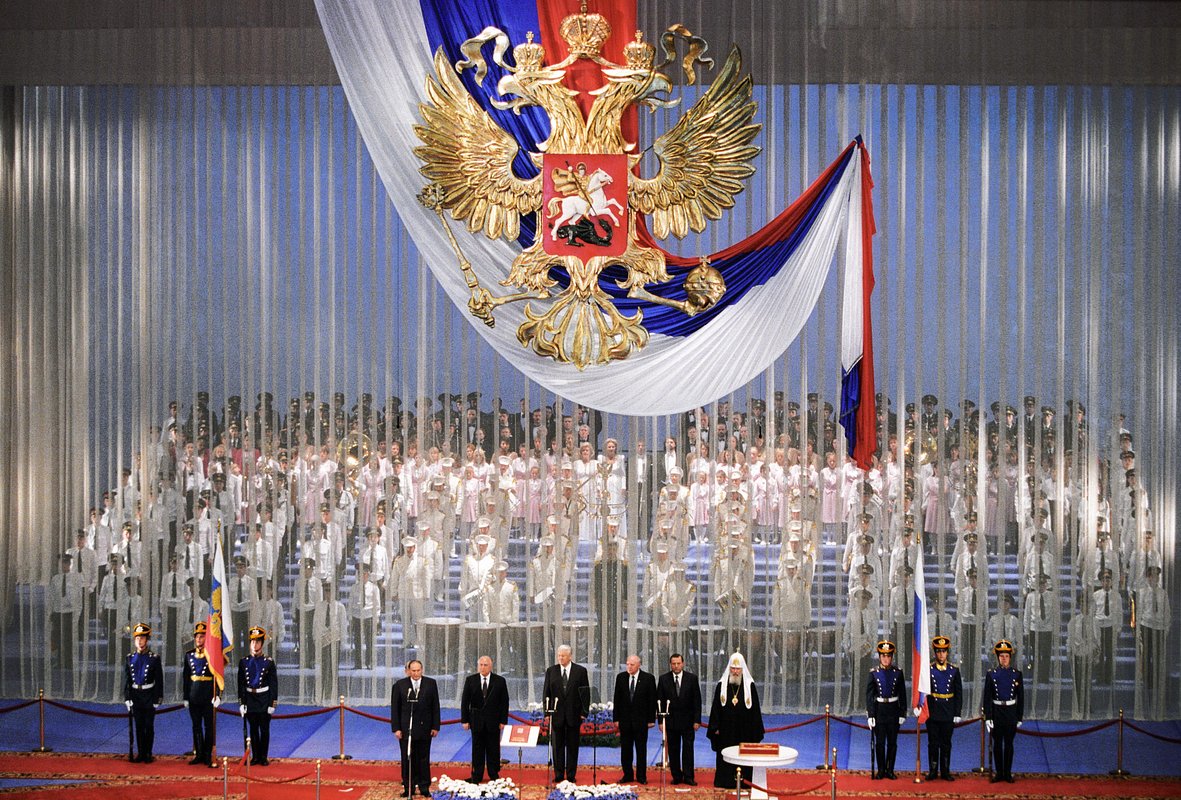
Yeltsin subsequently won a second presidential term. Shortly before his election victory, he suffered a heart attack that required months of rehabilitation, delaying his official inauguration until August. As the oath of office ceremony approached, reports warned that illegal armed formations were preparing to seize Grozny. Despite these warnings, military authorities reduced the number of checkpoints in the city and withdrew army units.
Warnings ignored ahead of the assault
Garrison servicemen received intelligence about the planned Chechen attack starting on August 1. Initial reports indicated an assault on August 2, before later intelligence detailed specific assignments for individual Chechen units, with dates set for August 5 or 6. Russian Interior Minister Anatoly Kulikov stated that security officials notified senior leaders immediately, but the warnings were not taken seriously. Small groups of militants secretly entered Grozny, waiting to retrieve weapons from hidden caches and block federal forces.
Kulikov noted in his memoirs that a state of emergency and preemptive sweeps should have been conducted to locate weapon caches and inspect incoming personnel. However, Russian Security Council Secretary Alexander Lebed insisted on adhering to agreements reached in Nazran with militant leaders and refused to allow preemptive operations. Consequently, regular army units pulled back from central Grozny to the city outskirts, leaving police officers and Internal Troops stationed at isolated checkpoints.
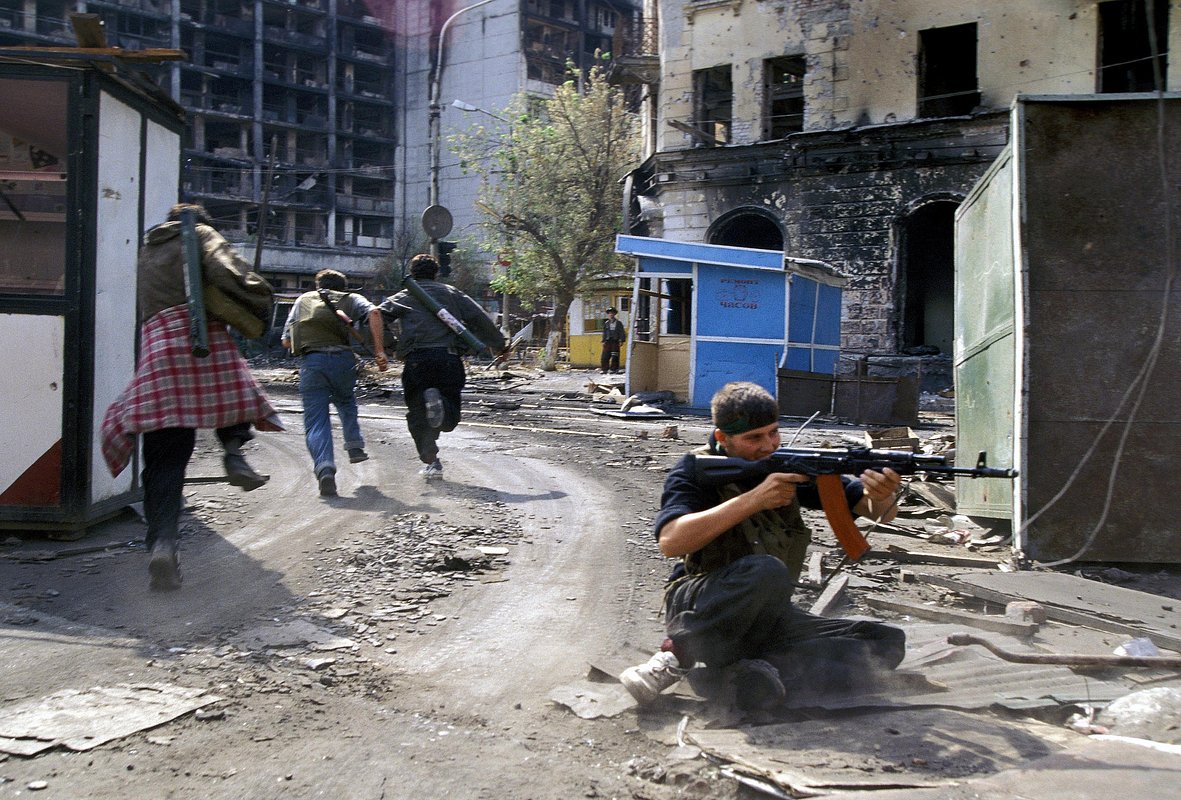
On August 6, 1996, Chechen militants commanded by Aslan Maskhadov launched Operation Jihad to capture Grozny. Although federal forces controlled most city districts, the attacking forces achieved tactical surprise. Many Russian military personnel later expressed the belief that political leaders had planned to surrender the city in advance.
Combat inside the capital
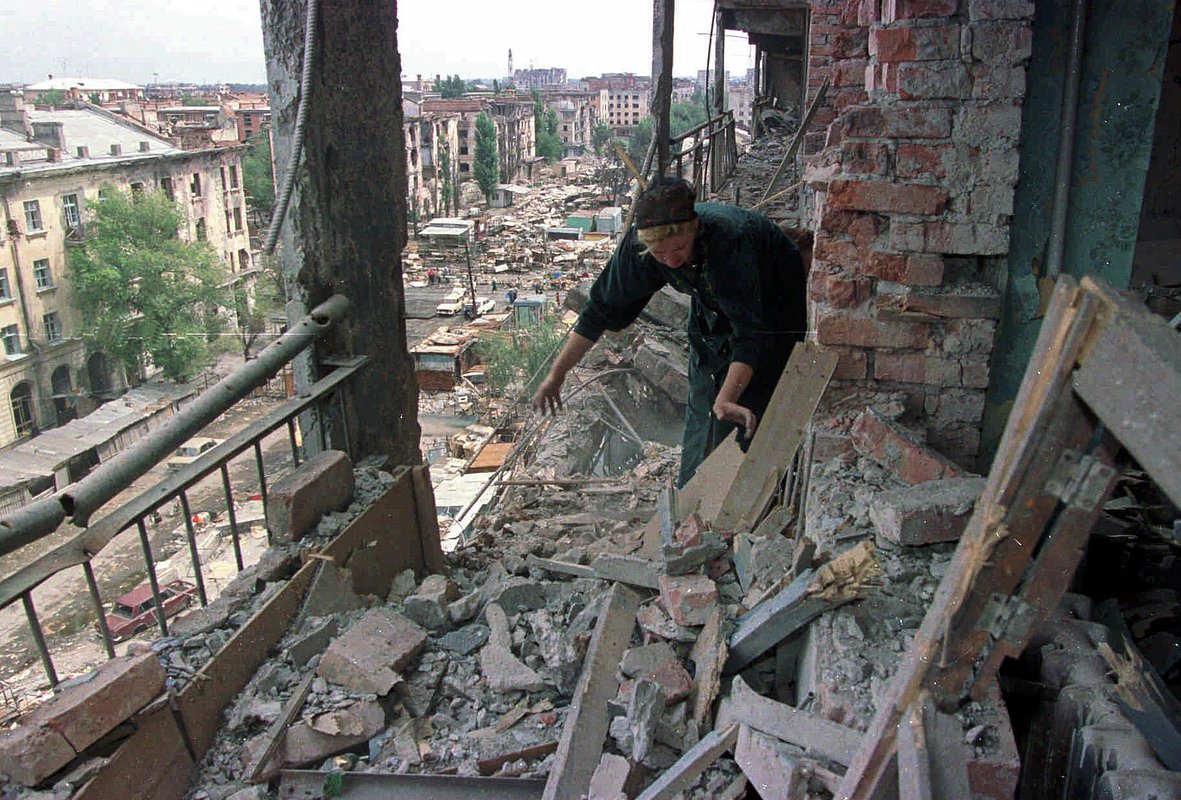
Commander of the 58th Army Gennady Troshev recalled in his memoirs that militants entered Grozny at 5:00 a.m. from several directions, bypassing federal checkpoints. The attackers seized the railway station, capturing several rail cars loaded with weapons. Simultaneous attacks targeted the towns of Gudermes and Argun.
An eyewitness trapped inside Grozny reported that severe fighting developed by 8:00 p.m. on August 6 as federal personnel defended the government building. Radio operators from the Joint Grouping headquarters repeatedly promised that help was on the way, but no reinforcements arrived. Militants fired anti-tank guided missiles and grenade launchers at the government building, eventually setting it ablaze.
Maskhadov's plan relied on trapping federal units inside their bases and checkpoints, preventing them from defending key military and administrative sites. The plan included ambushes along reinforcement routes, with specific areas assigned to each Chechen unit. In contrast, the defense by federal forces consisted of isolated positions. Interior Minister Kulikov called Secretary Lebed and Defense Minister Igor Rodionov to request two army regiments for troop rotation, but no troops were dispatched despite direct instructions from Prime Minister Viktor Chernomyrdin to the Chief of the General Staff. Federal forces in Grozny numbered roughly 6,000 troops against an estimated 2,000 militants.
Turning point and the ultimatum
By August 9, the day of Yeltsin's inauguration in Moscow, militants controlled central Grozny and key intersections. Internal Troops and police fought from surrounded positions while militant reinforcements arrived. Political leaders held inauguration celebrations in Moscow with foreign dignitaries, attempting to project an image of stability in Chechnya.
An eyewitness monitoring radio intercepts stated that a turning point occurred on August 10 as militant radio call signs decreased. Some Chechen fighters withdrew from the city, while fewer reinforcements entered. Intercepted communications revealed that militants were running short of ammunition and requesting trucks to remove casualties, signaling a decline in morale.
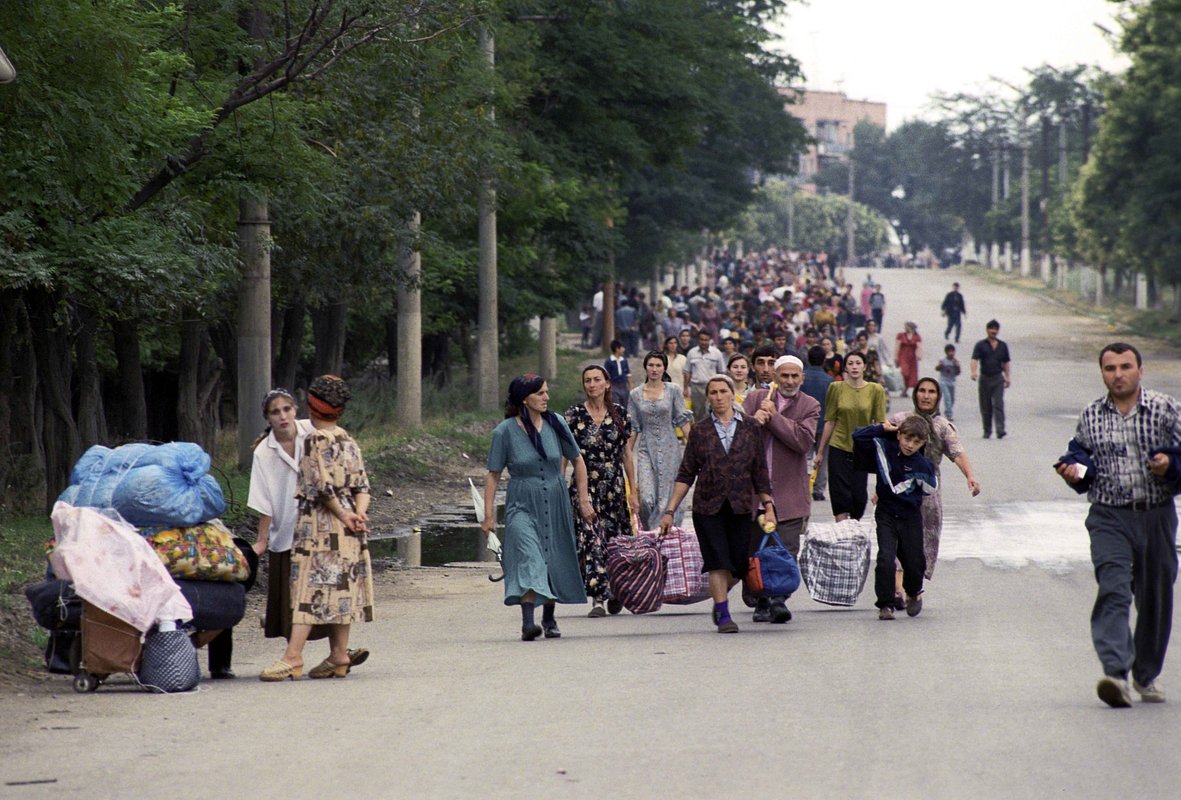
By August 13, General Troshev reported that federal forces had stabilized the situation, unblocking several command posts and checkpoints, thereby encircling the militants inside Grozny. Kulikov confirmed that heavy losses and ammunition shortages caused widespread depression among Chechen units. Russian commander General Konstantin Pulikovsky issued a 48-hour ultimatum demanding that militants surrender, offering civilians an evacuation corridor through Staraya Sunzha, and warning that heavy artillery and air strikes would follow.
Political intervention and peace accords
Militant commanders took Pulikovsky's ultimatum seriously, as the general had lost his son in the war. Some field commanders pulled their units out of Grozny without authorization from Maskhadov. However, Security Council Secretary Alexander Lebed and businessman Boris Berezovsky flew to Chechnya, criticized the ultimatum, and clashed with military commanders as Lebed insisted on resuming negotiations.
Combat participant Alexander Titov described Grozny as completely destroyed, with smoke filling the streets and multi-story buildings heavily damaged. Official data recorded almost 500 federal soldiers killed during the August battles, while Red Cross vehicles collected bodies from the streets. A ceasefire was announced on August 15, but skirmishes continued as federal troops and militants encountered each other on city streets.
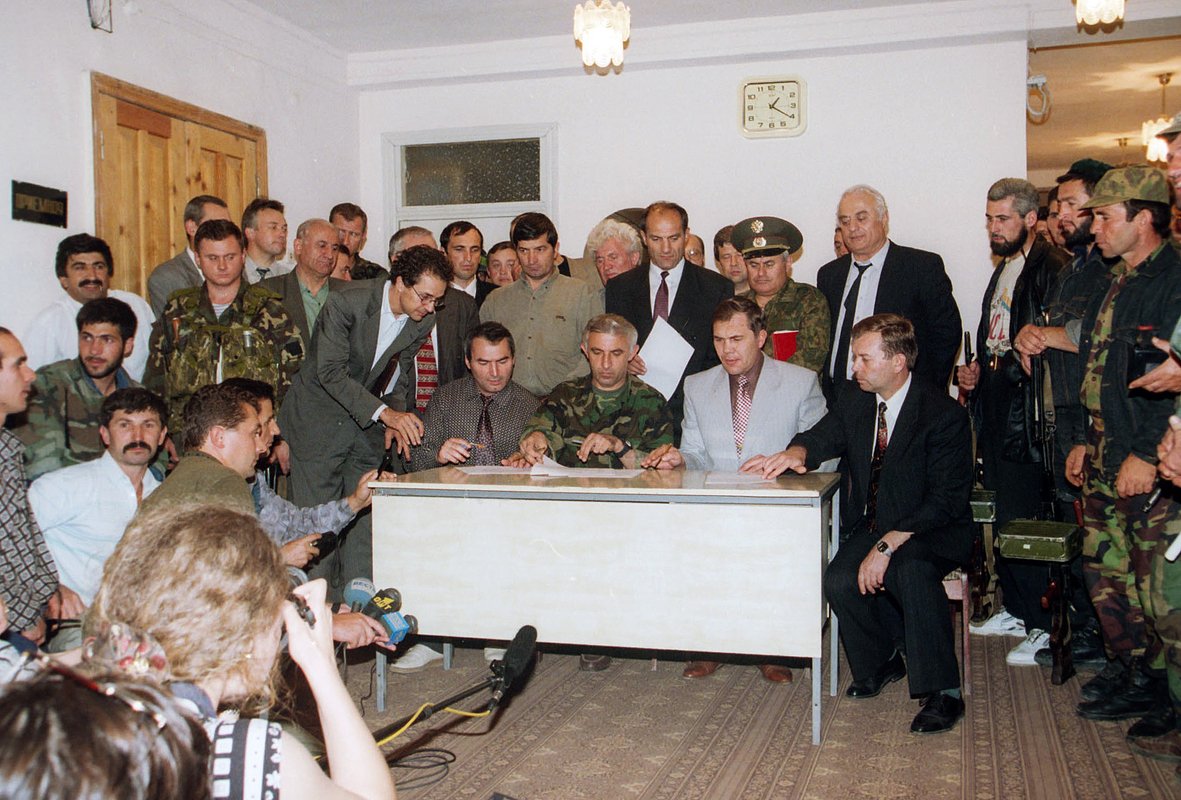
Pro-Russian Chechen Security Council Secretary Ruslan Tsakaev stated that federal forces could have held Grozny if Lebed had not intervened. Tsakaev noted that Russian troops were ordered not to return fire while separatists shot at them. Peace talks between Lebed and Maskhadov culminated in the signing of the Khasavyurt Accords on August 31, 1996.
Aftermath of the agreements
Veteran Mikhail Golubchikov stated that federal troops had nearly defeated the enemy before the ruling elite betrayed the military by signing the Khasavyurt Accords. Golubchikov remarked that without the truce, a second Chechen campaign and additional casualties might have been avoided. He added that while Lebed was respected for his earlier service in Transnistria, veterans of the Chechen conflict strongly condemned his actions in Chechnya.
Following the complete withdrawal of federal troops, widespread kidnappings for ransom affected the Caucasus and regions of Central Russia. The aftermath of the withdrawal created conditions that made a subsequent military conflict inevitable.