

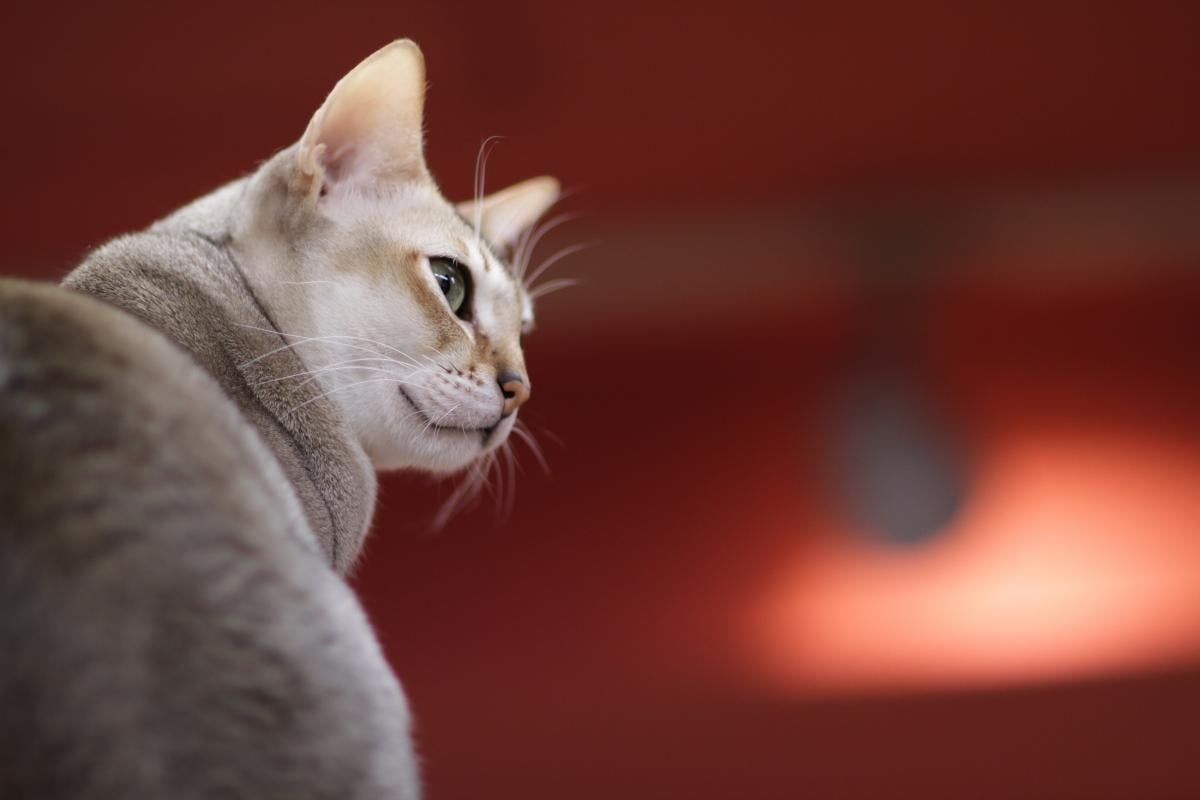
Domestic cats are secretly suffering from hidden loneliness, boredom and severe stress despite their reputation as highly independent animals.
According to the feline publication Catster, these pets often mask their isolation through subtle shifts in their daily routines.
Animal experts advise owners to take their pet to a veterinarian before assuming any unusual habits are simply emotional. Cats, as natural predators, are highly adept at concealing physical pain and illness by altering their demeanour to avoid appearing vulnerable. However, once medical issues are definitively ruled out by a professional, these uncharacteristic actions often point to a desperate need for a companion.
Cats are biologically predisposed to lengthy periods of rest, often sleeping for a large portion of the day. However, owners should note the vast difference between a comfortable afternoon nap and a lethargic animal that no longer reacts to the toys and activities that usually attract its attention. A physically healthy pet that sleeps significantly longer than its normal routine and shows complete apathy towards its environment is displaying classic symptoms of isolation.
Experts also advise monitoring the opposite extreme. A pet might suddenly exhibit uncontrollable hyperactivity, racing frantically around the apartment during the night with a wild expression. Depending on the individual animal's temperament, isolation can manifest as either complete withdrawal or erratic bursts of frantic energy.
Changes in appetite and feline grooming
Felines are susceptible to emotional overeating. Some isolated cats will consume excess food simply to fill the void in their day, treating the food bowl as a substitute for live social interaction. Conversely, a depressed pet might completely lose its appetite. Both extremes pose serious health risks, meaning the root of the problem is likely emotional if diseases have been ruled out.
Stress and feelings of abandonment also disrupt a cat's grooming routine. A lonely animal might stop cleaning itself entirely, resulting in a dull, matted and unkempt coat. Alternatively, it might develop an obsessive fixation, excessively licking a single patch of fur or pulling out hair until bald spots appear. This manic behaviour is a standard reaction to a severe lack of social contact and mental stimulation.
Destructive habits and anxiety signs
While scratching to sharpen claws is a natural instinct for a predatory species, destructive behaviour often escalates when a pet lacks adequate mental stimulation. An isolated cat may begin deliberately tearing at soft furnishings, knocking objects off shelves with unusual enthusiasm, or chewing items it has ignored for years. In these cases, the animal is literally manufacturing its own entertainment to combat severe boredom.
House soiling is another strong indicator of deep distress. If a litter tray remains clean, filled with the usual material and in its normal location, sudden accidents around the home suggest severe internal tension. The publication notes that loneliness provokes colossal anxiety, particularly in animals that have previously shared a home with other pets.
An animal that constantly follows its owner from room to room, vocalising relentlessly and demanding constant attention, is communicating a clear lack of interaction. Experts stress that this relentless trailing is not manipulative behaviour, but rather a direct attempt to reach the owner and express an unmet basic need.
Considerations for getting another pet
While bringing a second animal into the home might seem like an obvious solution, experts caution against rushing the decision. A new companion will not resolve the underlying issue if the owner still fails to interact meaningfully with the original pet.
The temperaments of both animals must also align. Introducing a highly energetic kitten to a calm, elderly cat is heavily discouraged and can cause further distress.
When households do introduce a new pet, the process should be gradual. Specialists recommend using synthetic calming pheromones, which mimic the natural scents cats use to feel secure, alongside establishing completely separate sleeping quarters. Owners are also advised to trim the animals' claws to prevent injuries while the pets navigate their first interactions and grow accustomed to one another.


