Castilla y León will be one of Spain's top viewing regions for the solar eclipse on August 12. The spectacle will vary across the autonomous community, with viewing times, duration, and totality visibility depending on the municipality.
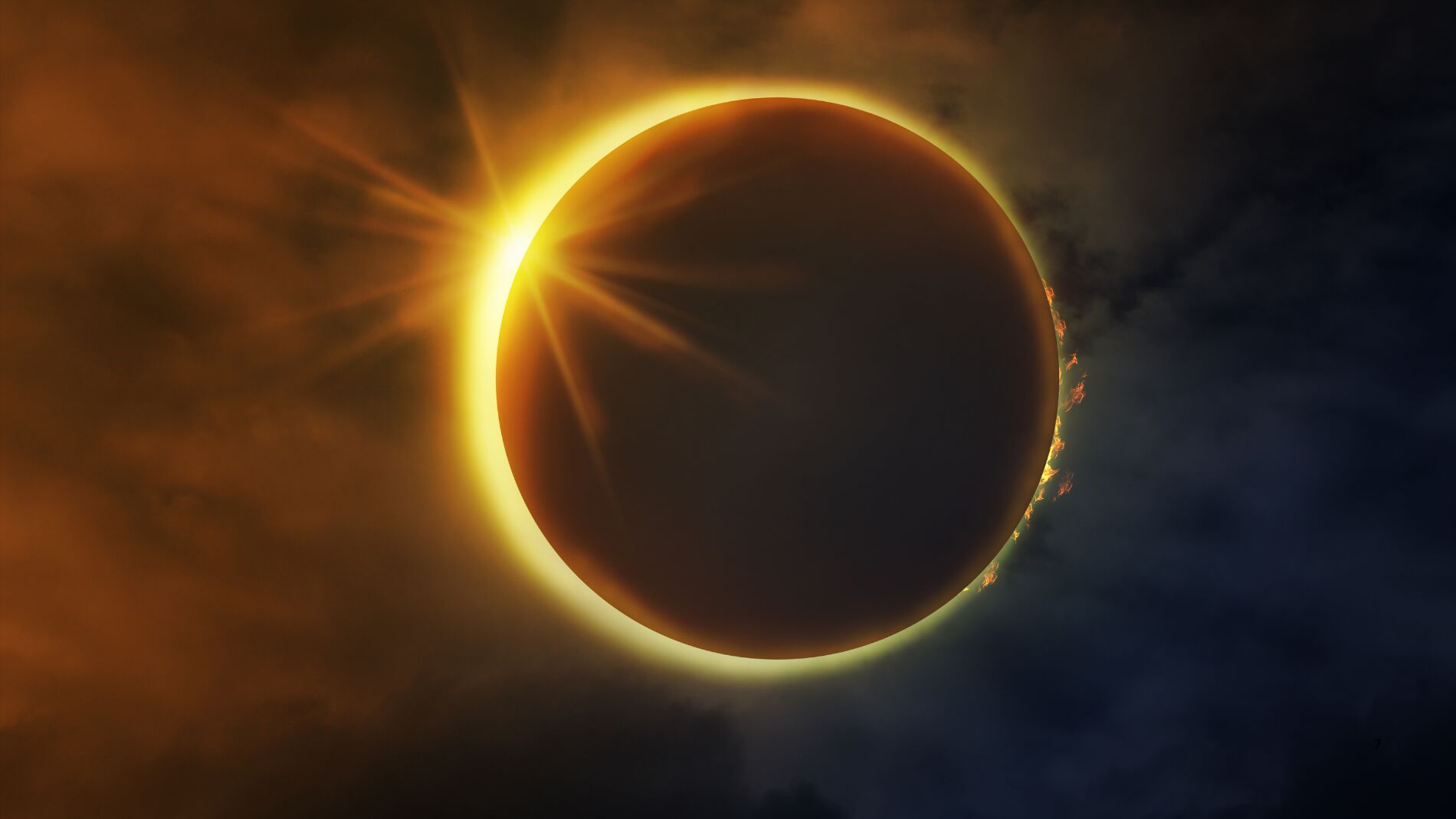
Certain areas will experience totality for over one minute. Other locations will see a partial eclipse with solar disc coverage exceeding 98 percent.
Interactive map from the Instituto Geográfico Nacional
The Instituto Geográfico Nacional enabled an interactive map tool to help residents check conditions for each municipality. Users can enter a location name or select a spot directly on the map to find when the eclipse starts, reaches maximum coverage, and ends.
The visualizer shows the percentage of the Sun covered by the Moon and confirms if a town falls within the path of totality. Duration varies significantly across towns, ranging from a couple of seconds to more than a minute.
Viewing times and optimal conditions in Castilla y León
The eclipse will occur in the late afternoon of August 12, just before sunset. In most towns across Castilla y León, the partial phase starts between 19:25 and 19:35 hours.
Totality will take place between 20:28 and 20:32 hours, depending on the location. Because the event coincides with sunset, specialists advised observers to seek elevated spots or places with an unobstructed western horizon.
Provinces inside the path of totality
Castilla y León contains one of the largest land areas inside the eclipse's path of totality. The territories of León, Palencia, Burgos, Valladolid, Zamora, Soria, and Segovia will fall completely or partly under the shadow of the Moon. Parts of Ávila and Salamanca will record very high obscuration levels.
Among provincial capitals, León, Palencia, Burgos, Valladolid, Soria, Zamora, and Segovia will all witness the total eclipse. Totality will approach one minute in several spots, making the region a key location for astronomy enthusiasts and photographers.
The Instituto Geográfico Nacional recommended checking the official map before traveling. Moving just a few kilometers can dramatically change the exact viewing time and the duration of totality.