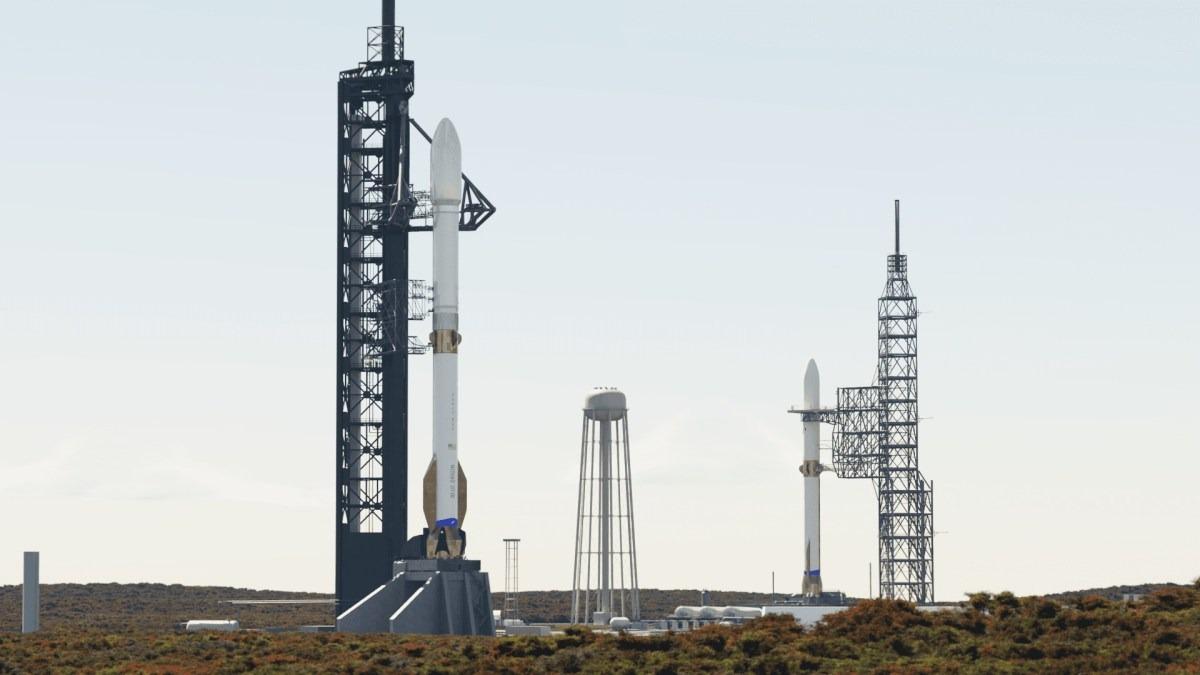
Blue Origin, the aerospace manufacturer founded by Jeff Bezos, will expand Launch Complex 36 at Cape Canaveral in Florida to build a second launchpad, designated LC-36B, for an enlarged version of its New Glenn rocket. The company announced the infrastructure expansion on August 12, though it did not provide a construction timeline or a target date for the initial flight of the new vehicle.
The new LC-36B complex is designed to accommodate the New Glenn 9x4, an upgraded configuration of the heavy-lift rocket equipped with 13 engines in total. Beyond the launch pad itself, the construction project includes a vertical assembly complex for the rocket and a dedicated payload preparation facility. The U.S. Space Force previously awarded Blue Origin $78.2 million in October 2025 to support the development of the payload facility.
Work on the new pad comes as Blue Origin continues repairs on its existing LC-36A pad following an explosion during a New Glenn hot fire test on May 28. The company intends to resume launches of its current New Glenn 7x2 rocket from the repaired LC-36A pad. Company chief Dave Limp said on August 12 that conducting a repeat flight in 2026 remains Blue Origin's top priority.
The operational New Glenn 7x2 model features seven BE-4 engines on its first stage and two BE-3U engines on its second stage. By contrast, the planned New Glenn 9x4 variant will upgrade the propulsion system to nine first-stage engines and four second-stage engines.
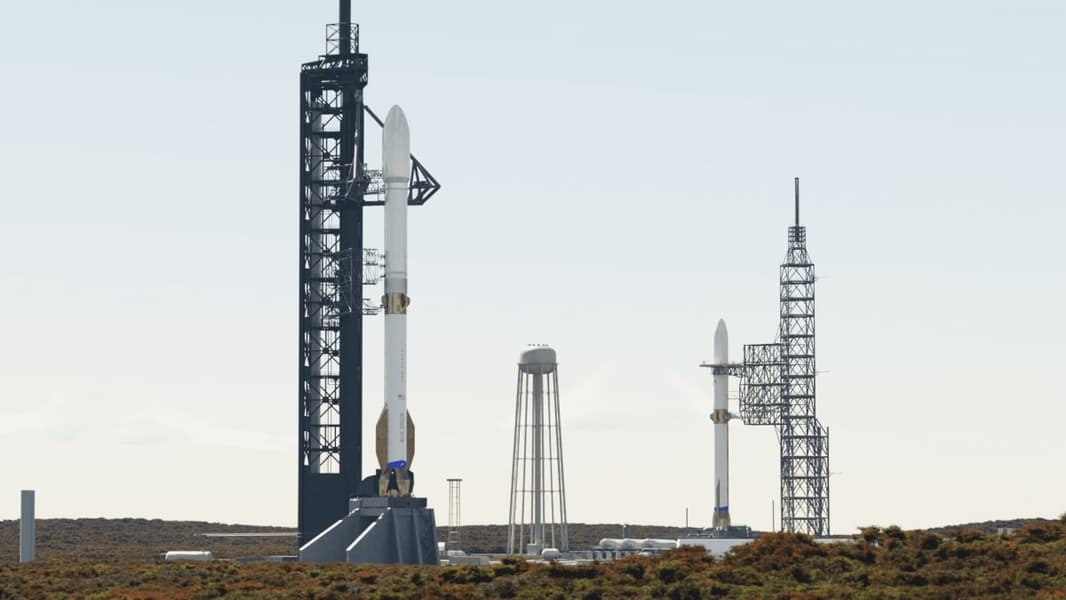
Updated launch integration process
As part of the restoration of LC-36A, Blue Origin is modifying its launch preparation procedure by transitioning to a hybrid horizontal-vertical assembly concept. Under this revised approach, the first stage will be transported to the launch pad horizontally before being raised upright. The second stage and the payload fairing containing the payload will be delivered separately in a vertical orientation and stacked onto the first stage using a crane.
Blue Origin has been testing this new integration method at LC-11, another launch facility located at Cape Canaveral. Last week, engineering teams at LC-11 conducted tests using a mock-up of the New Glenn upper stage and payload fairing. The trials focused on vertical installation procedures, element mating, gathering data on wind loads, and verifying new mechanical guidance systems used during assembly.
Company operations at LC-11 are intended to prepare staff for the upcoming resumption of launches from LC-36A. The newly planned LC-36B site will operate as a standalone infrastructure dedicated to supporting the larger, more powerful version of the New Glenn launch vehicle.