

A 152-hectare former wheat farm in Bedfordshire has been turned into a major nature reserve 35 years after its owner abandoned intensive cultivation. The site, known as Strawberry Hill, had been cleared of agricultural machinery and chemicals since the late 1980s.
The territory is now officially protected from future construction and cannot be returned to intensive farming, according to a report by the Times of India. The decision secures decades of natural habitat development across the central English countryside.
Bedfordshire is a ceremonial county in the East of England, long characterized by agricultural land and rural estates. For generations, farms across the region relied on heavy machinery and chemical inputs to maximize crop yields during post-war agricultural expansion.
Until 1988, Strawberry Hill was used to grow wheat using synthetic fertilizers, chemical pesticides, and regular ploughing. Farmer Hugh White decided to cease all cultivation across the entire property that year after growing dissatisfied with government agricultural policies, farm subsidies, and production quotas.
Decades of unmanaged growth
White initially enrolled his 152 hectares into a European scheme that offered financial support to farmers who left their fields unploughed for a temporary period. When the program concluded, White chose not to return to commercial farming, choosing instead to let nature take its course across the fields.
European agricultural policy during the late 20th century frequently used land diversion programs to manage crop surpluses and reduce environmental damage caused by intensive farming. While most land returned to production after scheme contracts expired, unmanaged plots often developed diverse native vegetation.
Without ongoing ploughing, fertilizers, or chemical treatments, the former wheat fields changed gradually over 35 years. Open grasslands and wild meadows emerged first, followed by dense thickets of hawthorn and native shrubs, which eventually grew into a young woodland.
Habitat for rare species
The untamed land quickly developed into a critical sanctuary for local wildlife. Conservation organizations report that Strawberry Hill now supports 11 species of bats, rare wild orchids, a wide range of insect life, and numerous bird species.
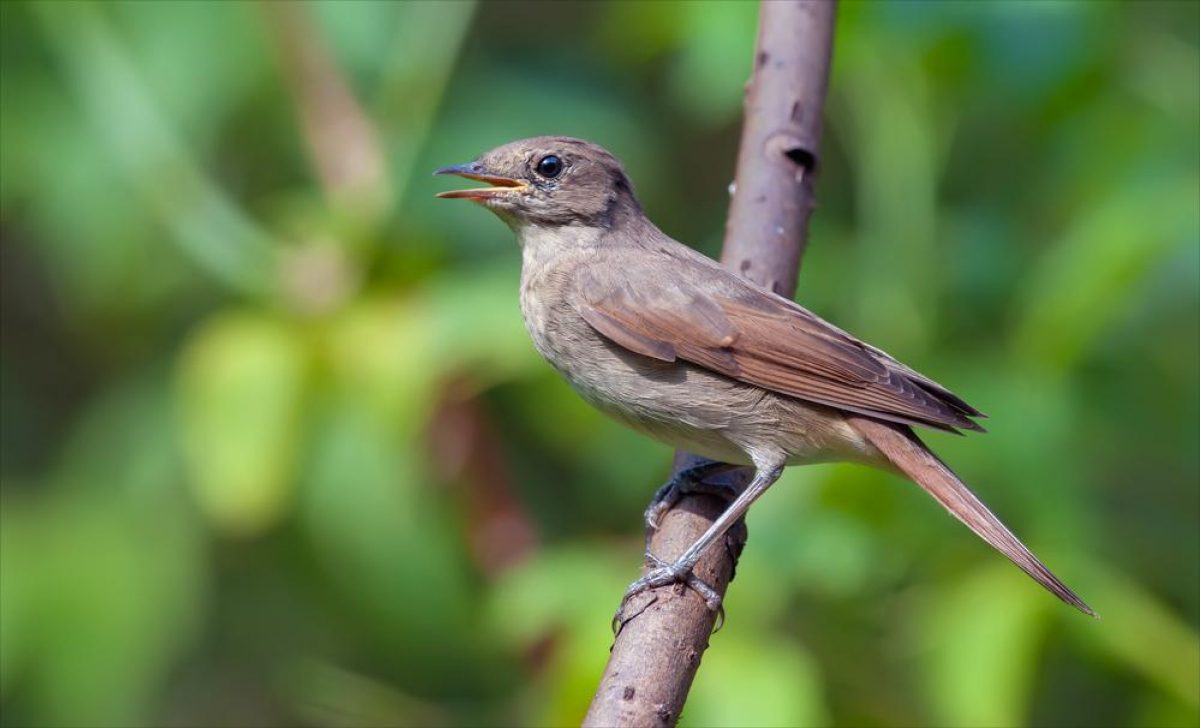
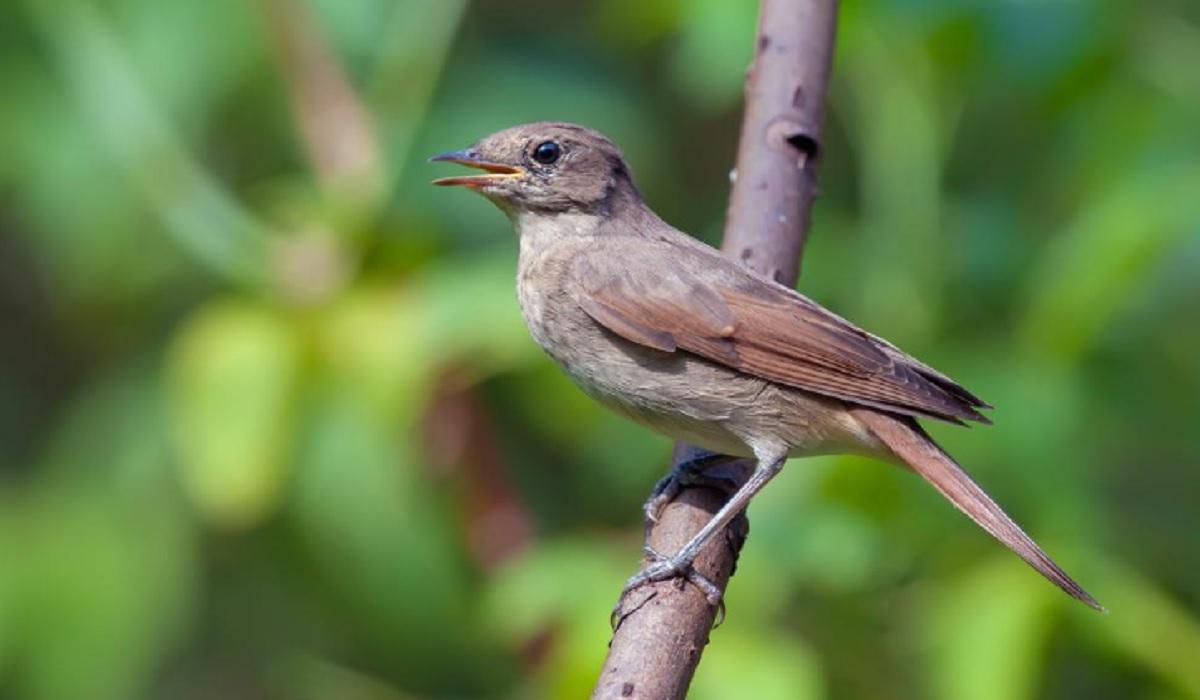
The site has become exceptionally important for nightingales, a species of songbird renowned for its rich vocalizations. Specialists estimate that Strawberry Hill holds roughly half of all recorded breeding nightingales in the county of Bedfordshire.
Nightingales are migratory songbirds that winter in Africa and return to Europe to nest in dense scrubland and thick hawthorn cover. Loss of traditional woodland and scrub habitats across Britain has led to steep population declines, making protected roosting areas essential for their survival.
Permanent protection for the land
Following the deaths of Hugh White and his wife, their children decided to sell the property. They sought a buyer who would commit to preserving the land in its wild state rather than redeveloping it for commercial use.
A sale agreement was completed to place the entire 152-hectare estate under permanent environmental protection. Specialists plan to manage the site by preserving its existing meadows, hawthorn scrub, and young woodland while maintaining open grassy clearings required by native animal species.


