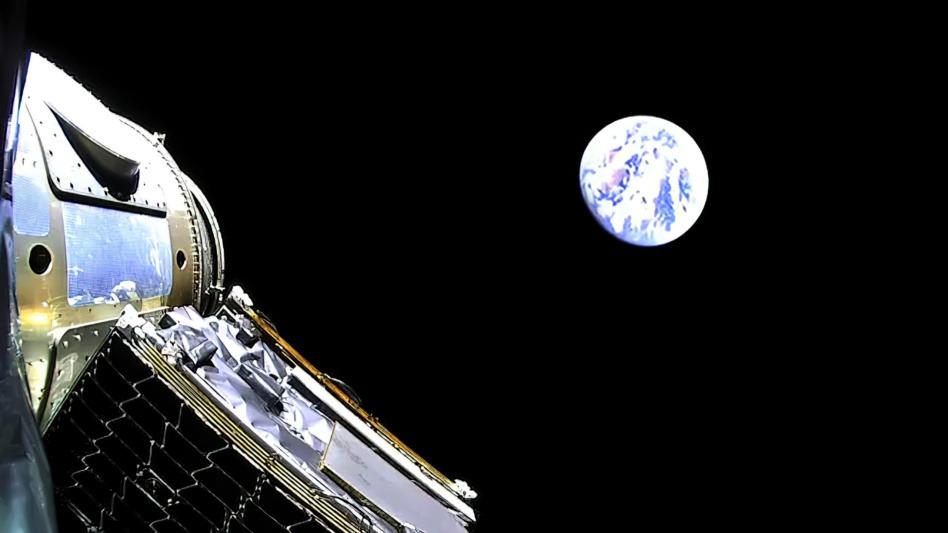
American satellite manufacturer Astranis has introduced Perceptor, a maneuvering space platform designed for space domain awareness in geostationary orbit. The spacecraft features an additional suite of monitoring sensors and an onboard propulsion system to inspect other satellites operating in high orbit.
Astranis stated that the concept for Perceptor arose after identifying operational limitations in existing tools used to monitor geostationary objects during its own space missions. The platform is designed to assess the capabilities of potentially hostile satellites while detecting and characterizing operational anomalies on allied hardware.
Space domain awareness refers to the tracking, identification, and characterization of artificial orbital objects. The discipline is vital for space safety and defense, allowing satellite operators to manage collision risks, monitor operational assets, and detect suspicious activity in high orbits.
Unlike conventional observation satellites that remain fixed in single locations, Perceptor can change its position while in orbit. Equipped with a propulsion system capable of making more than 12 maneuvers during a single mission, the spacecraft can move between different sections of geostationary orbit to collect data from multiple perspectives.
Astranis has also engineered the platform to support joint operations, allowing multiple Perceptor spacecraft to function together as a coordinated orbital constellation.
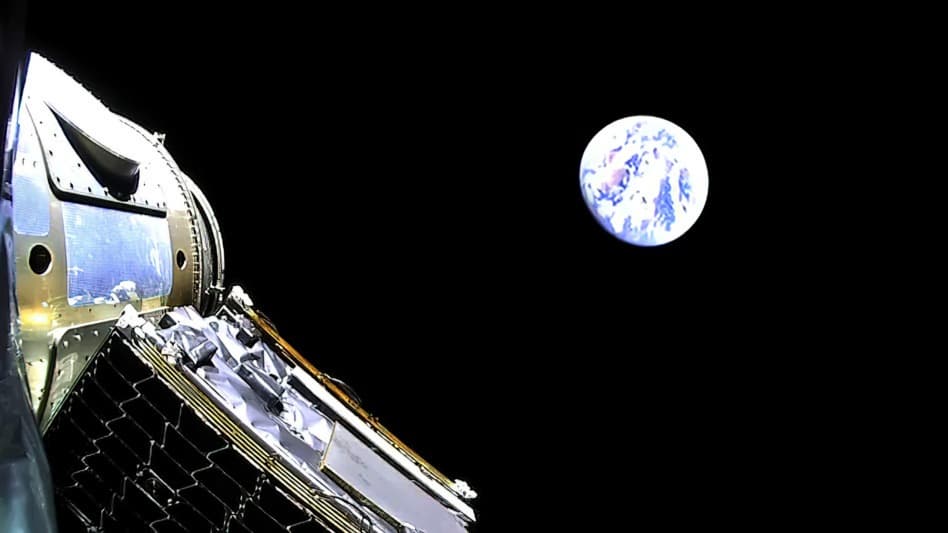
Built on MicroGEO Platform
The project relies on the established MicroGEO platform as its structural foundation. Based in San Francisco, California, Astranis builds small-scale geostationary satellites that offer lower cost alternatives to traditional multi-ton spacecraft. Astranis has operated MicroGEO satellites in geostationary orbit since 2023 for commercial communications missions.
Because the spacecraft uses an existing platform with proven space flight heritage, Perceptor will not require the creation of an entirely new satellite design. Astranis said that using an established satellite architecture and existing assembly line will allow the company to scale up production rapidly as market demand grows.
The announcement follows a significant expansion in corporate funding for the aerospace company. Just three months prior to presenting Perceptor, Astranis raised more than $450 million in capital, including $300 million from a Series E funding round.
Monitoring Geostationary Orbit
Geostationary orbit sits at an altitude of approximately 35,786 kilometers directly above Earth's equator, matching the planet's rotation rate so satellites remain fixed over a single region. The regime is heavily used for telecommunications, weather forecasting, and military intelligence, but the ability of operators to rapidly detect and respond to behavioral changes in nearby spacecraft remains limited.
Perceptor aims to address those observational gaps by combining orbital monitoring sensors with direct maneuverability within geostationary space.
The presentation released by Astranis did not provide technical details regarding sensor resolution, target parameter accuracy, engine thrust, maneuver execution speeds, or orbital test results for the Perceptor platform.