

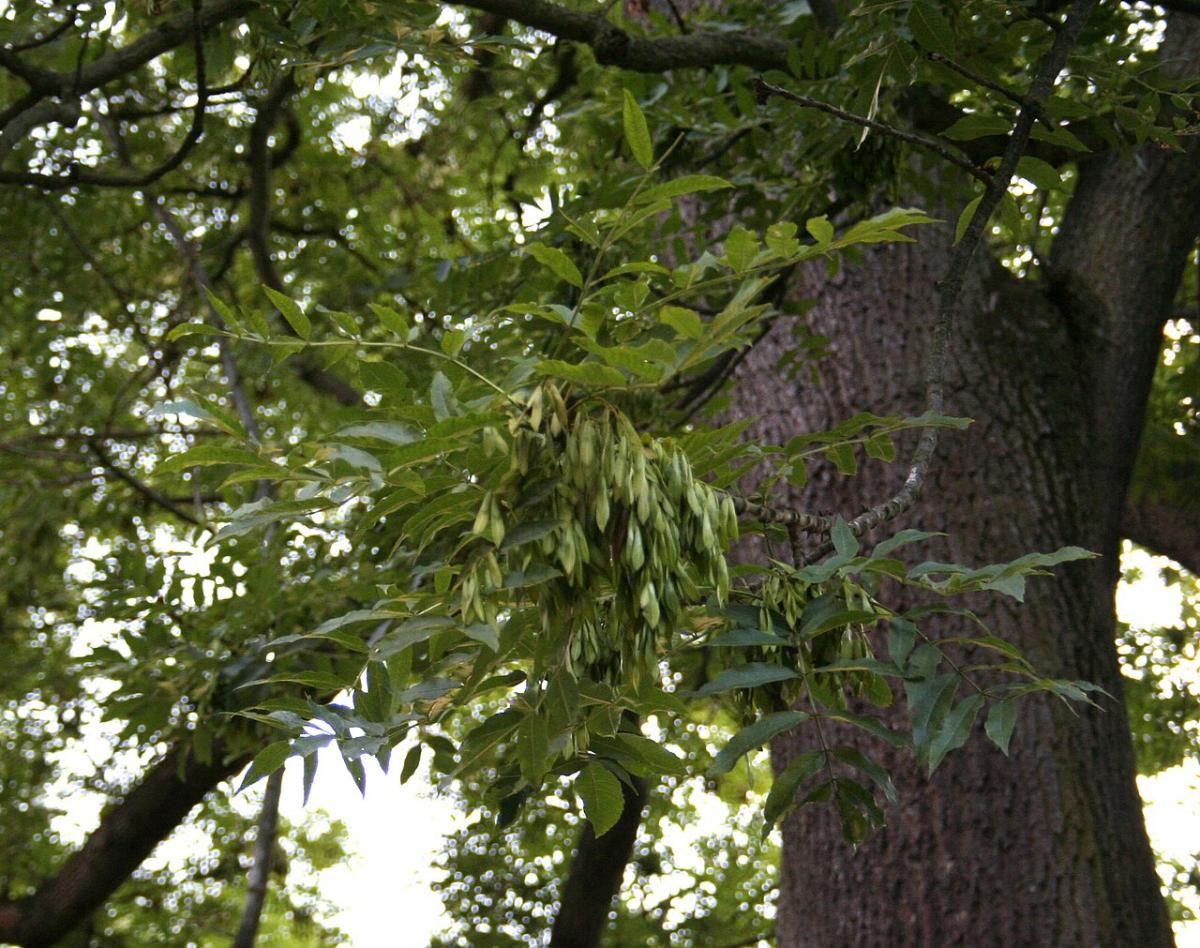
Landscape designers across Europe are increasingly abandoning the common ash tree in residential gardens due to the rapid spread of aggressive diseases and pests, according to a report by news outlet antena3.ro.
The primary driver behind the decline in popularity is Hymenoscyphus fraxineus, an aggressive fungal pathogen responsible for the lethal disease known as ash dieback. The fungal infection primarily affects the common ash and the narrow-leafed ash, severely damaging trees in both urban plantings and private gardens.
The common ash, known botanically as Fraxinus excelsior, is a large deciduous tree belonging to the olive family, Oleaceae. For decades, property owners favoured the species for garden landscaping because it grows rapidly, develops a broad canopy, and provides generous shade near homes and outdoor living spaces.
The fungal disease was first identified in north-eastern Poland in 1992 and subsequently spread across a major portion of the European range of ash trees. Researchers believe the pathogen originated in Asia and arrived in Europe accidentally. Native European ash species did not evolve alongside the aggressive fungus, leaving them without natural defenses to resist infection.
Ash dieback initial manifestations appear on leaves and young shoots, where necrotic lesions form. Affected foliage wilts, shoots dry out, and the tree crown thins over time. In severe cases, infected trees suffer total mortality. The disease can progress rapidly or develop gradually over several years, marked by repeated cycles of structural decline.
Risks to Residential Gardens and Insect Threats
The loss of canopy integrity presents major safety hazards for private gardens, walkways, and patios, where mature trees must remain predictable and stable. When an ash tree weakens or dies from disease, property owners face substantial costs for professional inspections, crown pruning, chemical treatments, or complete tree removal.
Ash dieback is not the only issue threatening the species. Trees face additional damage from insect pests, including weevils, sawflies, and timber-boring beetles that attack leaves, young shoots, trunks, and branches. Repeated or severe insect infestations significantly weaken the tree overall health.
In addition to pest damage, ash trees suffer from various bark and branch cankers. Pathogenic fungi from the genus Armillaria, commonly known as honey fungus, frequently cause root rot and collar rot at the tree base, particularly in specimens already compromised by other stresses.
Specialists highlight the emerald ash borer as a critical threat to ash populations. The larvae of this beetle burrow beneath the bark, creating winding galleries that disrupt the internal transport of nutrients and eventually kill the host tree.
Environmental Stressors and Alternative Species
The overall impact on ash trees is further exacerbated by environmental conditions such as prolonged drought and high summer temperatures. Trees weakened by hot and dry weather struggle to recover from simultaneous disease outbreaks and pest attacks.
Experts note that disease risks depend on localized growing conditions and specific tree varieties. Manna ash, also known as flowering ash or Fraxinus ornus, is considered less susceptible to ash dieback, although it is not completely immune. Tree size is another vital factor, as common ash can grow to heights between 30 and 35 metres under favourable conditions, making it an unsuitable choice for smaller residential yards regardless of disease concerns.
For larger gardens requiring shade and structural presence, landscape designers suggest several alternative species. Recommended trees include the common hornbeam, field maple, small-leaved lime, manna ash, and Norway maple. Homeowners choosing an alternative should consider available plot size, soil type, water access, and mature crown dimensions.
Despite these vulnerabilities, ash trees remain attractive to owners of expansive properties who value fast growth and striking canopy architecture. However, specialists urge property owners to weigh long-term size and health risks prior to planting. In previous landscaping guidance, experts listed six invasive tree species to avoid in domestic gardens due to their tendency to spread rapidly and disrupt local natural environments.


