Hospital Arnau de Vilanova in Valencia, alongside Hospital de Llíria, has successfully begun applying Rezum therapy to treat benign prostatic hyperplasia without conventional surgery.
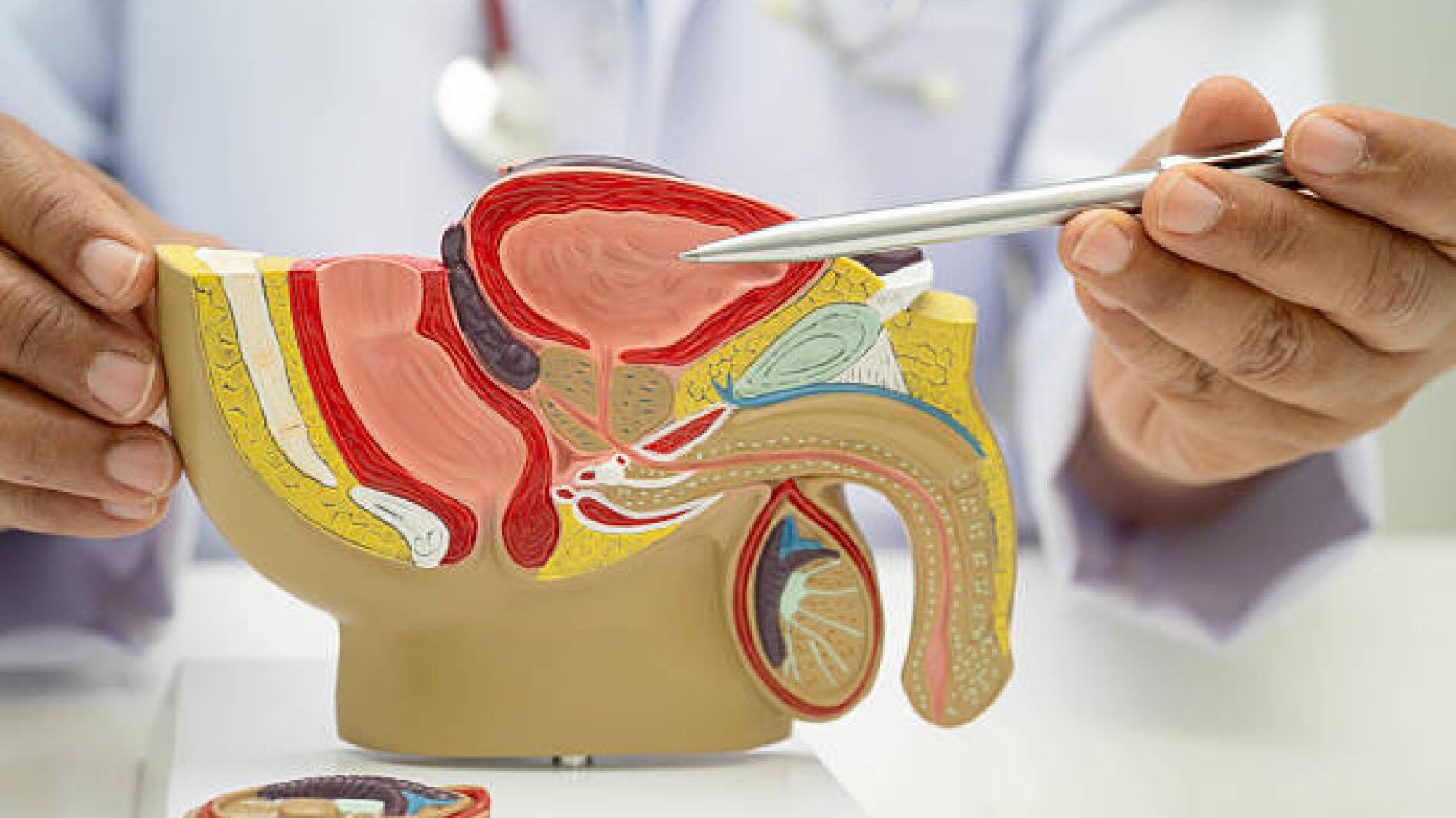
The minimally invasive procedure uses controlled thermal energy from water vapour to target prostate enlargement, offering an alternative to traditional surgical operations and long-term medication.
Specialists carry out the intervention through a transurethral route by introducing a small device into the patient. The instrument delivers water vapour in a controlled manner directly to the areas of the prostate causing urinary obstruction.
Thermal energy released by the steam causes localized destruction of excess prostate tissue. Over the following weeks, the body naturally and progressively eliminates the destroyed tissue, which reduces prostate volume, expands the urethral space, and restores normal urine flow.
Minimally invasive water vapour procedure
Benign prostatic hyperplasia is a non-cancerous enlargement of the prostate gland that commonly affects older men. As the gland grows, it can compress the urethra and block the flow of urine out of the bladder, leading to symptoms such as frequent urination, weak stream, and difficulty emptying the bladder.
Transurethral treatments allow urologists to access the prostate directly through the urinary tract, avoiding the need for external abdominal incisions and reducing recovery times.
The Rezum technique offers several advantages over conventional surgical options. The procedure takes only a few minutes to perform and does not require hospital admission, allowing patients to return home on the same day.
Outpatient advantages and recovery timeline
General anesthesia is not necessary for the intervention. Clinicians perform the treatment on an outpatient basis using local anesthesia or light sedation, enabling patients to recover quickly after the procedure.
The water vapour therapy is also designed to preserve sexual function. Unlike certain traditional surgical operations, the technique aims to conserve both erectile function and ejaculation in the vast majority of cases.
Post-procedure recovery is typically quick and agile, although symptom relief develops gradually. Patients usually begin to notice positive improvements in their urinary symptoms starting from the first month following the procedure, with progressive progress over subsequent weeks.
Hospital Arnau de Vilanova and Hospital de Llíria belong to the public health service of the Valencian Community in eastern Spain, providing specialized care to residents across the regional health network.
The adoption of the technique reinforces the role of the Urology Department at Hospital Arnau de Vilanova as a reference centre in Valencian public healthcare. In addition to offering the treatment to patients, the hospital trains resident doctors through specialized workshops and live surgical sessions.