

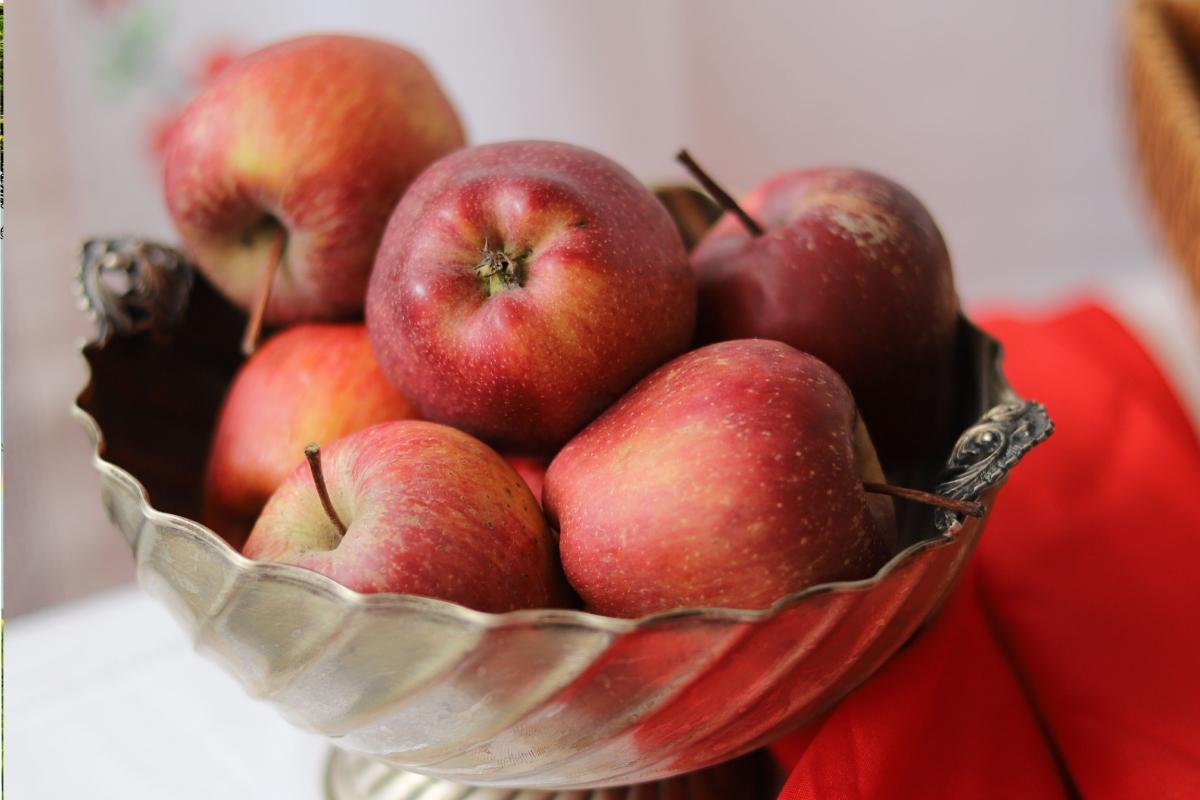
Apples should be stored in the refrigerator to stay fresh for weeks, gardener Andy Ferguson told culinary website Simply Recipes.
While keeping fruit in a bowl on the kitchen table is acceptable for produce intended to be eaten within a few days, room temperature accelerates post-harvest ripening. Ferguson explained that apples continue to mature after picking, causing warmer fruit to rapidly lose moisture, firmness, and crunch.
When left out on a counter, apples generally maintain their quality for about a week, depending on the cultivar and initial freshness. In contrast, storing apples inside a refrigerator preserves their crisp texture for several weeks or even longer.
Autumn marks the peak harvest season for apples across the northern hemisphere, when orchards gather dozens of popular varieties for market. Fruit naturally releases ethylene gas after harvest, a natural compound that promotes ripening and cellular breakdown. Cold refrigerator temperatures slow down these biological processes while preserving internal moisture.
Impact on crisp apple varieties
Ferguson noted that low temperature storage is especially vital for consumers who buy apples specifically for their snap and firm bite. Popular contemporary varieties such as Honeycrisp and Pazazz rely heavily on refrigeration to maintain their signature crunch.
Honeycrisp apples were originally developed by university horticulturists to produce an exceptionally crisp cell structure that holds abundant juice. Pazazz, a modern cultivar derived from Honeycrisp lineage, features a similarly firm texture and sweet-tart flavor profile that degrades quickly when exposed to indoor warmth.
Using softened or spoiled fruit
Consumers are advised to monitor stored fruit for signs of deterioration, including wrinkled skin, softening flesh, and a loss of overall juiciness. However, Ferguson emphasized that a softened or wrinkled apple does not need to be thrown away immediately.
Provided there are no visible signs of mold or decay, softened fruit remains entirely safe and suitable for cooking. Ferguson suggested converting softened apples into applesauce, stirring them into morning oatmeal, or baking them into muffins. Any fruit displaying visible mold, however, must be discarded.
Kitchen display recommendations
For households that enjoy displaying a bowl of fresh red apples on the kitchen table, Ferguson offered a practical compromise. He advised keeping the primary stock in the refrigerator and simply replenishing the countertop display with cold fruit as individual items are eaten.


