A proposed construction project for the Foupana Dam in the Algarve municipalities of Alcoutim and Castro Marim is estimated to cost between 150 million and 200 million euros.
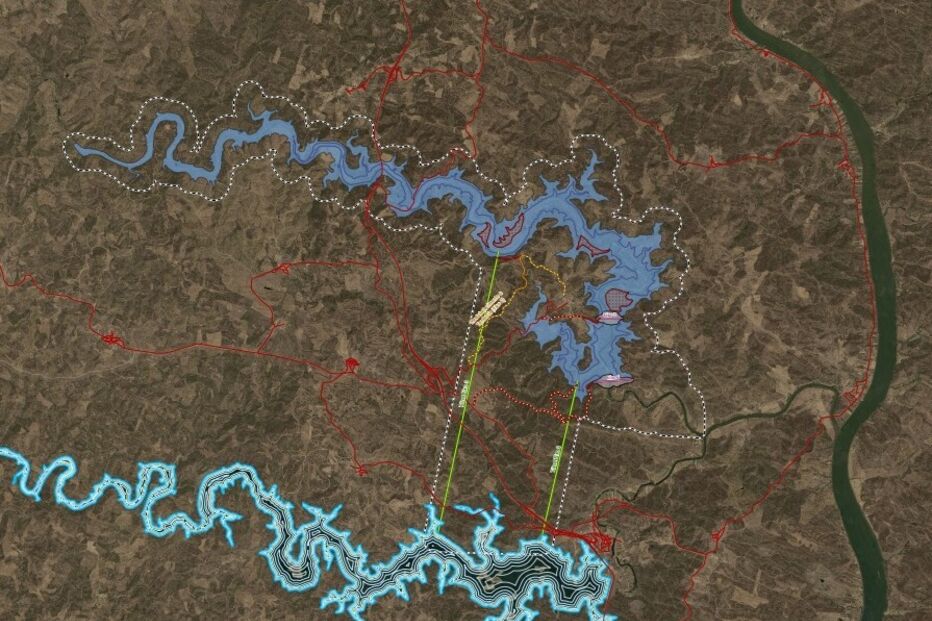
The project entered its public consultation phase at the beginning of the week and will remain open for public review until October 12.
According to the preliminary study and environmental impact assessment for the project, the investment stems from the need to bolster water availability across the Algarve region by reinforcing the existing Odeleite-Beliche water supply system.
Project location and scope
The infrastructure project is planned for the Ribeira da Foupana basin, spanning territory within both the Alcoutim and Castro Marim municipalities. The river is a key watercourse in the eastern section of the Algarve, flowing through the inland hills toward the Guadiana River along the border between Portugal and Spain.
Alcoutim and Castro Marim are rural municipalities located in the eastern Algarve, a region known locally as the Sotavento. Both areas feature low population densities and terrain characterized by dry river valleys and Mediterranean scrubland, making regional water infrastructure vital for local communities and agriculture.
Water availability in the Algarve
The decision to advance the project follows ongoing efforts to secure long-term water resources in southern Portugal. The Algarve experiences seasonal dry spells and high demand for water from agriculture, residential areas, and a large tourism sector.
The Odeleite-Beliche system serves as the primary surface water network for the eastern Algarve. Created by earlier dam projects on the Odeleite and Beliche streams, the interconnected storage network supplies drinking water to coastal towns and irrigation to surrounding farmland. Incorporating the Foupana Dam into this network is intended to expand total storage capacity and improve supply resilience during periods of low rainfall.
Public consultation process
The public consultation process allows residents, municipal councils, environmental groups, and commercial stakeholders to review the technical details outlined in the preliminary study and environmental impact report. Feedback submitted during the consultation window up to October 12 will be evaluated as part of the regulatory approval process.
Environmental impact assessments in Portugal evaluate potential effects on local ecosystems, water quality, flora, fauna, and local communities before major infrastructure works receive final approval to proceed.