

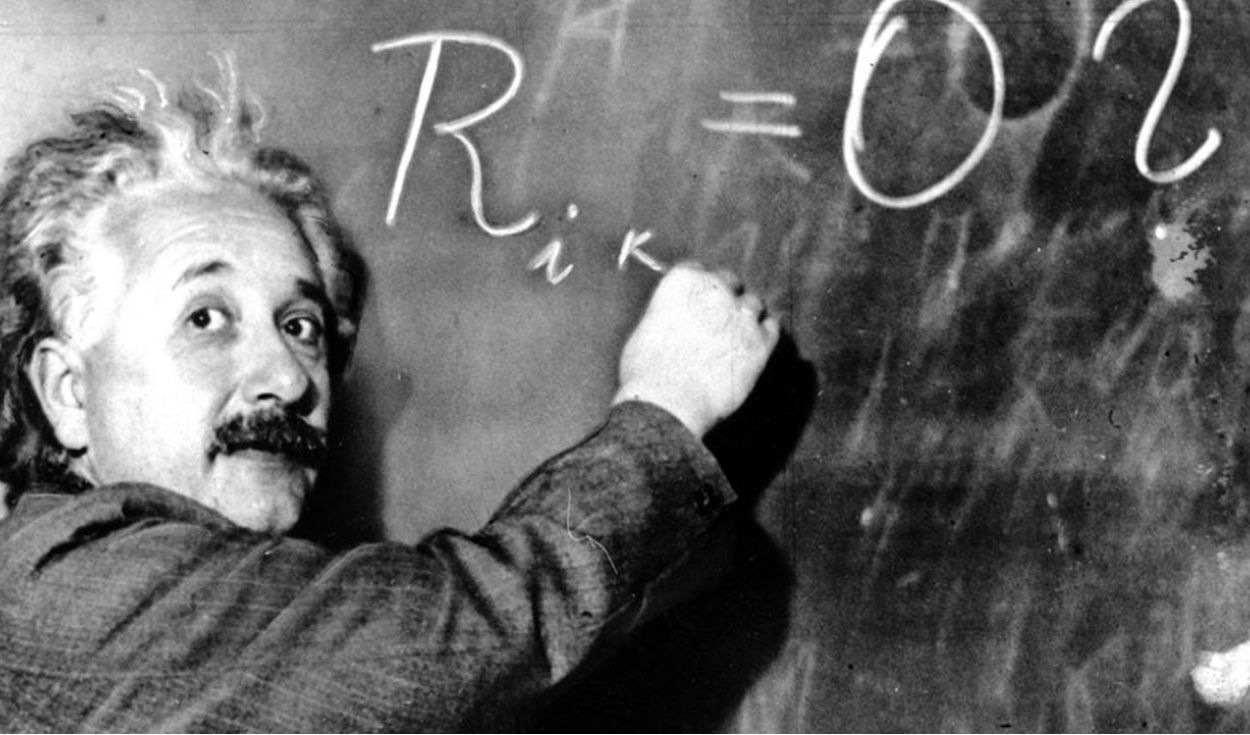
Physicist Albert Einstein recommended reading fairy tales to children to stimulate intellectual development rather than relying on memory exercises or mathematical formulas. Famous for revolutionizing physics, the scientist frequently receives credit for discussions surrounding early childhood education and cognitive growth. Various testimonies attribute to him the advice that reading fairy tales makes children intelligent, while reading even more fairy tales makes them more intelligent.
Although no primary source verifies that specific quote in an original document, it encapsulates an idea widely associated with his views on learning. Documented statements confirm his emphasis on creative thinking over rote instruction.
Documented Statements on Imagination
Einstein supported this educational philosophy in a documented 1929 statement for The Saturday Evening Post. He explained that imagination is more important than knowledge, stating that knowledge remains limited while imagination embraces the entire world. In his view, creativity functioned as an essential mechanism for generating new ideas and understanding reality.
Educational Impact of Storytelling
Fairy tales introduce children to imaginary characters, conflicts, and scenarios that cultivate abstract thinking, creativity, and problem-solving skills. These stories encourage young readers to analyze multiple ways to resolve issues while stimulating curiosity and strengthening comprehension and reflection.
Education specialists noted that storytelling promotes emotional and moral intelligence. By identifying with different characters, children learn essential values such as empathy, effort, and courage. Experts conclude that shared reading remains a valuable tool to complement childhood learning.


