

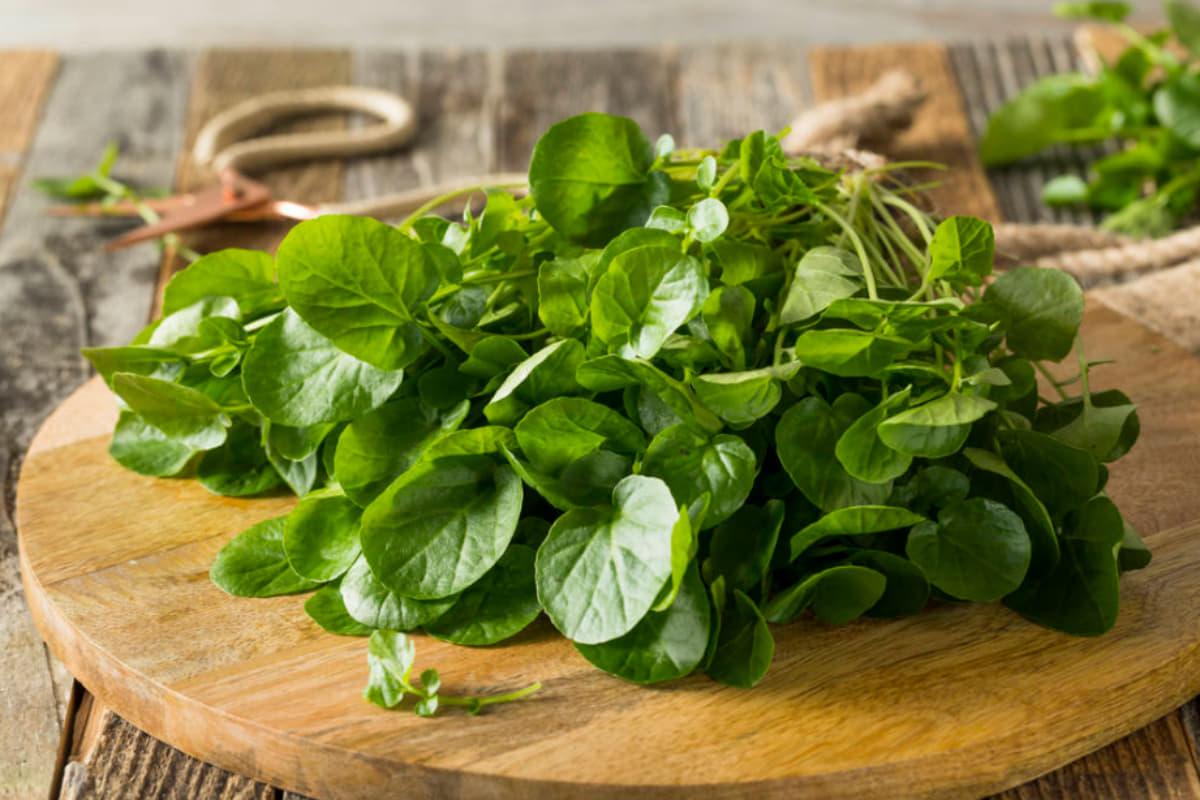
Watercress has taken first place in a scientific ranking of the most nutritious produce, beating popular greens including spinach and kale.
The study, conducted by researcher Jennifer Di Noia in 2014 and reported by lifestyle website TheCoolist, examined 47 foods to determine which items deliver the highest concentration of vital nutrients per 100 calories. While kale has long been seen as a staple of healthy diets, it scored just 49.07 points, leaving it in 15th place.
Watercress is an aquatic plant from the mustard family known for its peppery flavor. Although shoppers rarely put the green into their supermarket baskets, it was the only food analyzed to achieve a perfect score of 100 points.
Calculation of nutritional scores
Di Noia evaluated raw foods against 17 vital nutrients using information from the United States Department of Agriculture national nutrient database. The analysis measured potassium, dietary fiber, protein, calcium, iron, folic acid, zinc, and vitamins A, B6, B12, C, D, E, and K.
To qualify as a powerhouse vegetable, an item had to earn at least 10 points. That benchmark matches standards set by the US Food and Drug Administration, which considers a food to be a good source of a nutrient if it provides at least 10 percent of the recommended daily intake.
Only 41 of the 47 foods met the qualification threshold. The authors explained that leafy greens swept the highest positions on the table because they supply high amounts of vitamins and minerals while contributing very few calories to a meal.
The top ten powerhouse vegetables
Behind watercress in first place, Chinese cabbage took the second spot with a score of 91.99. Chard followed in third with 89.27 points, beet greens finished fourth with 87.08, and spinach rounded out the top five with 86.43.
Chicory placed sixth on 73.36 points, leaf lettuce took seventh with 70.73, and parsley secured eighth with 65.59. Romaine lettuce claimed ninth position with 63.48 points, followed by collard greens in tenth place with 62.49.
Superfoods missing from the list
Several items widely regarded by shoppers as superfoods failed to make the 41-item list entirely. Blueberries, raspberries, cranberries, tangerines, garlic, and onions all fell below the ten-point minimum.
Researchers also examined staple items such as apples, bananas, corn, and potatoes for comparison as low-scoring products. The authors noted that missing the threshold does not mean these items are harmful, but rather that each calorie contains lower quantities of the 17 tracked nutrients.


