The Instituto Vita Alere, a Brazilian mental health organisation, has launched a new guide called "Para Além do Setembro Amarelo" ("Beyond Yellow September"), aimed at psychologists and other professionals who work in suicide prevention and mental health promotion. The institute said the guide was prompted by a lack of evidence that Brazil's Yellow September awareness campaign has helped lower the country's suicide rate since it began.
According to Brazil's Ministry of Health, the country recorded 16,747 suicides in 2024. The national suicide rate rose 50.6% between 2010 and 2024, with the sharpest increase among young people aged 20 to 29.
Scavacini, a psychologist with a doctorate from the University of São Paulo and founder of Instituto Vita Alere, said the guide grew out of concerns shared by people who work in suicide prevention throughout the year, not only in September.
She said the guide was not meant to celebrate Yellow September. According to Scavacini, the scientific evidence available so far has not found any reduction in suicide rates linked to the campaign since it was created in 2015. She said campaigns like Yellow September raise awareness and make it easier for people to seek help, but that this is not the same as reducing deaths. She added that visibility on its own can even stir distress among more vulnerable people, including those who have previously attempted suicide or lost someone to it.
Brazil's Yellow September Campaign
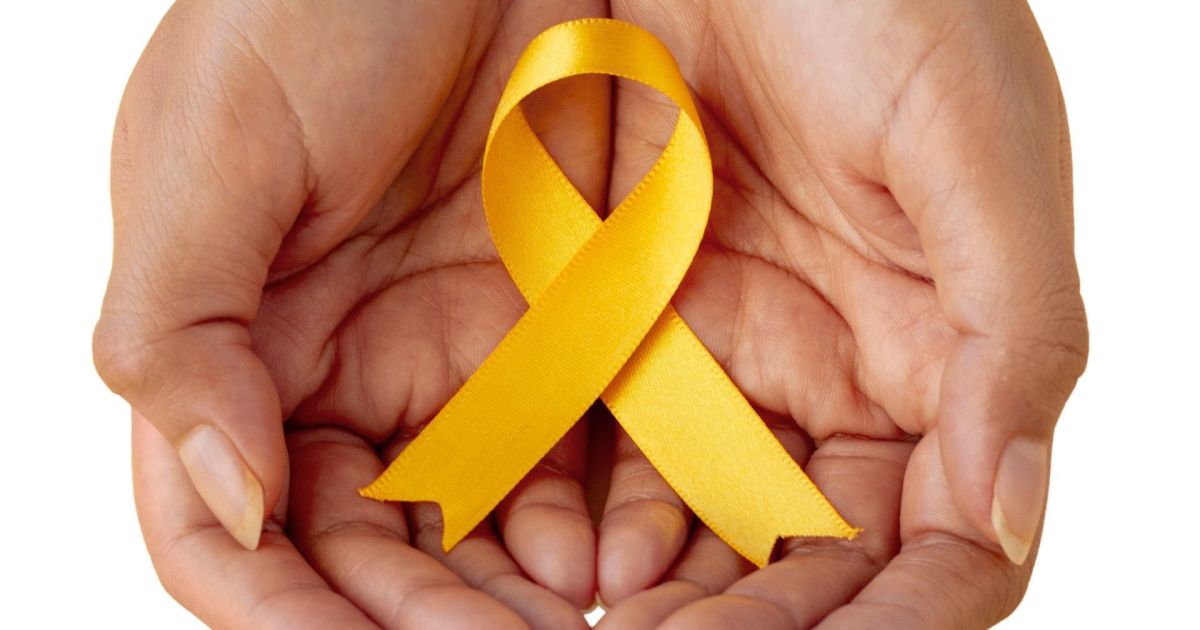
Yellow September is Brazil's national suicide prevention campaign, held every year since 2015 and named for the yellow ribbon used internationally to mark suicide prevention efforts. It runs alongside World Suicide Prevention Day and has become one of the country's most visible public health campaigns, encouraging open conversation about mental health and suicide risk.
The Paradox of Visibility
The guide points to what it calls a "paradox of visibility": the more a subject is discussed publicly, the more demand for care it can reveal. If the health system does not have the capacity to respond to that demand, the increased exposure can end up generating frustration instead of help. Part of the guide instructs psychologists to assess whether Yellow September actions are backed by concrete care measures or whether they remain limited to public messaging.
Supporting the Professionals
The guide also addresses burnout, vicarious trauma and compassion fatigue among professionals who treat people at risk of suicide. It states that self-care for these professionals should not be treated as an optional extra, but as part of the prevention work itself.
Scavacini said going beyond Yellow September did not mean abandoning the campaign. She said it meant reassessing its effectiveness, improving how it is carried out, and above all, not letting prevention stop when September ends. She said prevention becomes stronger once it stops being just a campaign and becomes a continuous, shared responsibility.