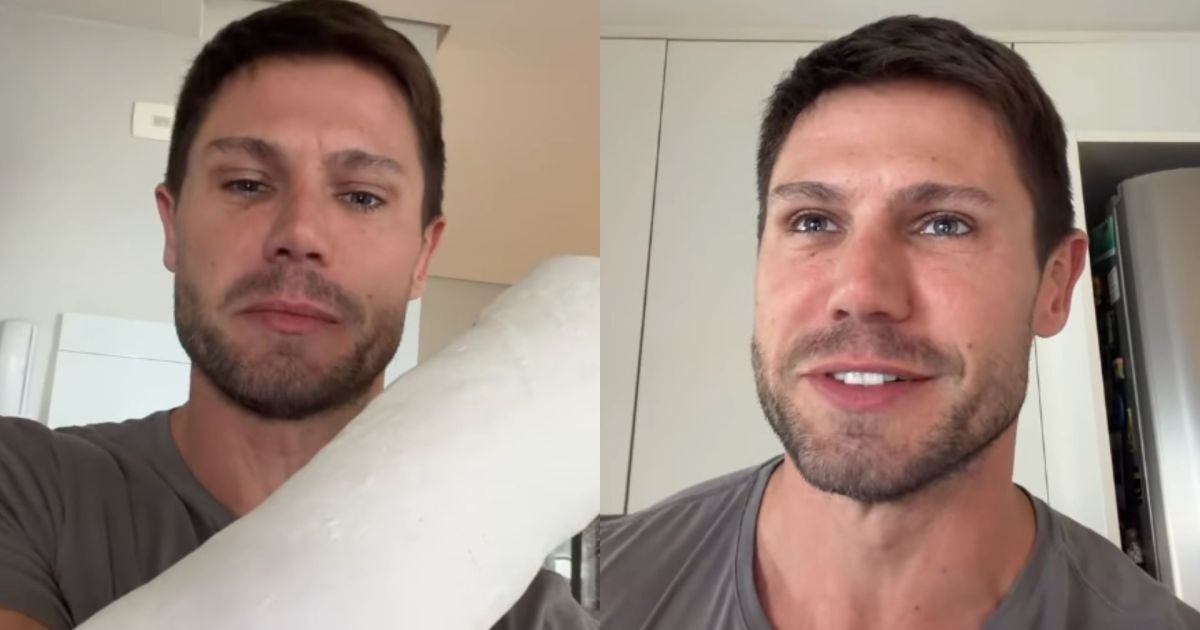
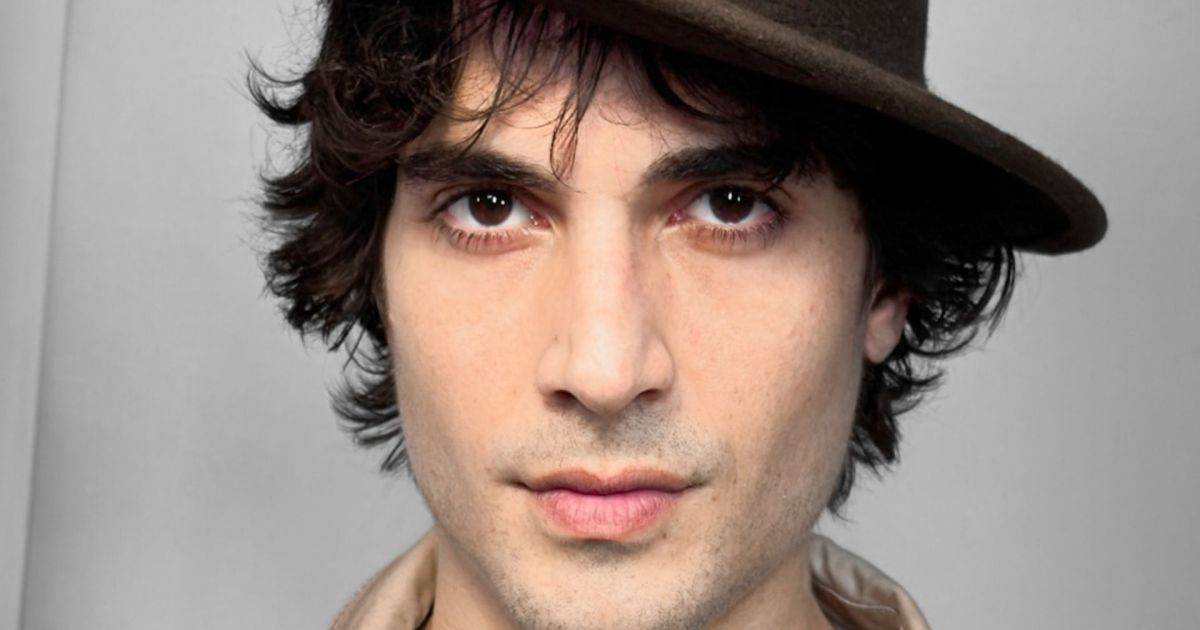
Vincent Cassel never fit the mould of the classic leading man. His piercing stare, restless physicality and angular features are the kind of looks usually reserved for nameless villains on screen. Yet it is precisely that "difficult" type that allowed the French actor to take on dozens of complex characters and become one of the faces of new European cinema.
Cassel was born in Paris as Vincent Crochon, the son of the well-known actor Jean-Pierre Cassel and the journalist Sabine Litique. His route into acting was neither easy nor glamorous. When his parents divorced, Cassel was 13, and his father sent the unruly teenager to a series of strictly disciplined boarding schools.
He went through three such schools, running away from some and being expelled from others. He has recalled being thrown out of the last one for getting on everyone's nerves, constantly dreaming up pranks and staging elaborate performances in front of his teachers. One of the schools he attended was a religious institution with draconian rules, and Cassel has said it was there that he became a committed atheist.
From the circus to the big screen
At 17, Cassel enrolled at the Annie Fratellini circus school in Paris. Acrobatics and capoeira, the Brazilian martial art that blends acrobatic movement, dance and live ethnic music, gave him the animal-like grace that still makes him instantly recognisable on screen.
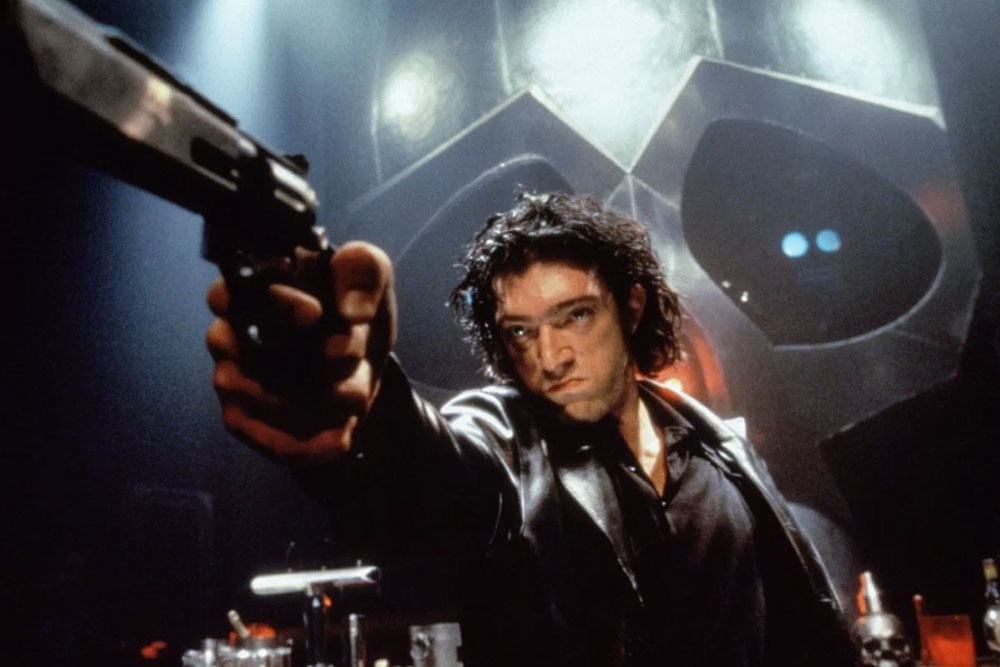
After finishing circus school, Cassel performed on the streets of Paris with friends, passing the hat to passers-by. Having developed a taste for performing, he moved to New York, where he studied at the Lee Strasberg Institute while supporting himself through dancing and acrobatics.
He returned to France in the late 1980s and joined the theatre company of the renowned Jean-Louis Barrault, while trying to break into film. His earliest screen appearances were minor: episodes of television series such as "La Belle Anglaise" in 1988, advertisements for Renault cars, and a small part in the 1991 comedy "Les Clés du paradis".
His real break came through his friendship with the equally young and daring director Mathieu Kassovitz, whom he met on a film set in the late 1980s. Kassovitz saw Cassel as the ideal hero for a new era, a hard-edged figure from the streets with none of the usual bourgeois polish. He first cast him in his debut comedy "Metisse" in 1993, then, two years later, gave him the lead role in the drama "La Haine" (1995), which made Cassel a star. His role as an explosive young man from a Paris suburb earned him a Cesar Award nomination and established him as a voice of his generation.
From monsters to classics
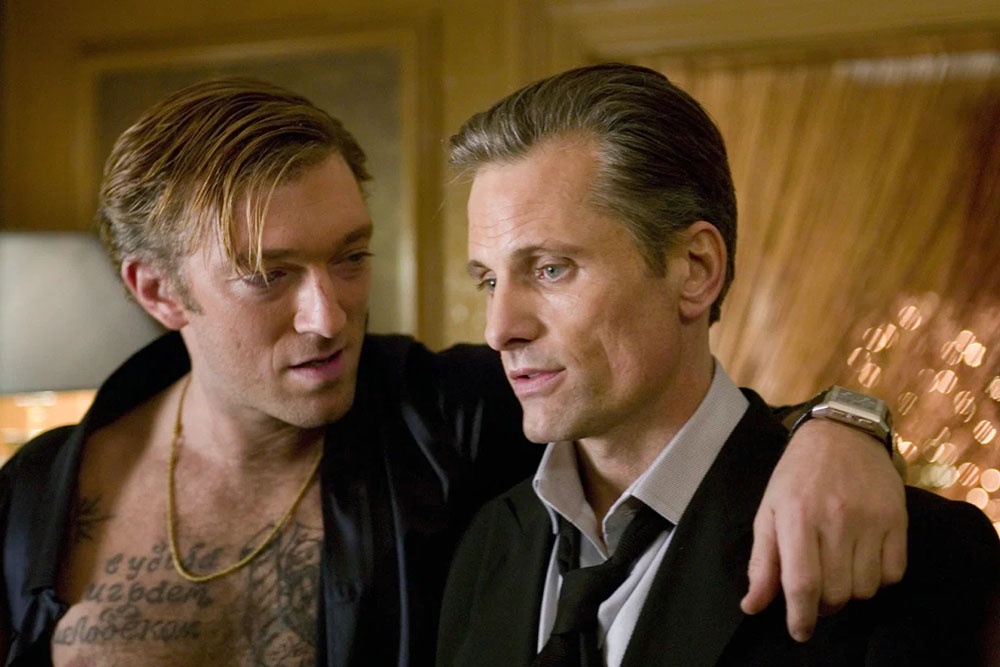
Cassel has deliberately avoided comfortable roles, moving with equal enthusiasm between provocative art-house cinema and big-budget Hollywood blockbusters. In Gaspar Noe's controversial "Irreversible" and David Cronenberg's bleak crime drama "Eastern Promises", he pushed his characters to the limits of psychological and physical endurance.
He has also delivered convincing turns as the psychoanalyst Carl Jung in "A Dangerous Method", a demanding ballet choreographer in "Black Swan" and a stern Athos in the two-part "The Three Musketeers".
Even in his sixties, Cassel keeps choosing demanding, director-driven projects, from Cronenberg's body-horror film "Shrouds" to Asghar Farhadi's drama "Parallel Stories" and the role of Quasimodo in "Quasimodo: The Soul of Paris", directed by Jean-Francois Richet. The latter is a dark reimagining of the life of the real man believed to have inspired Victor Hugo's famous bell-ringer.
Love in the rhythm of samba
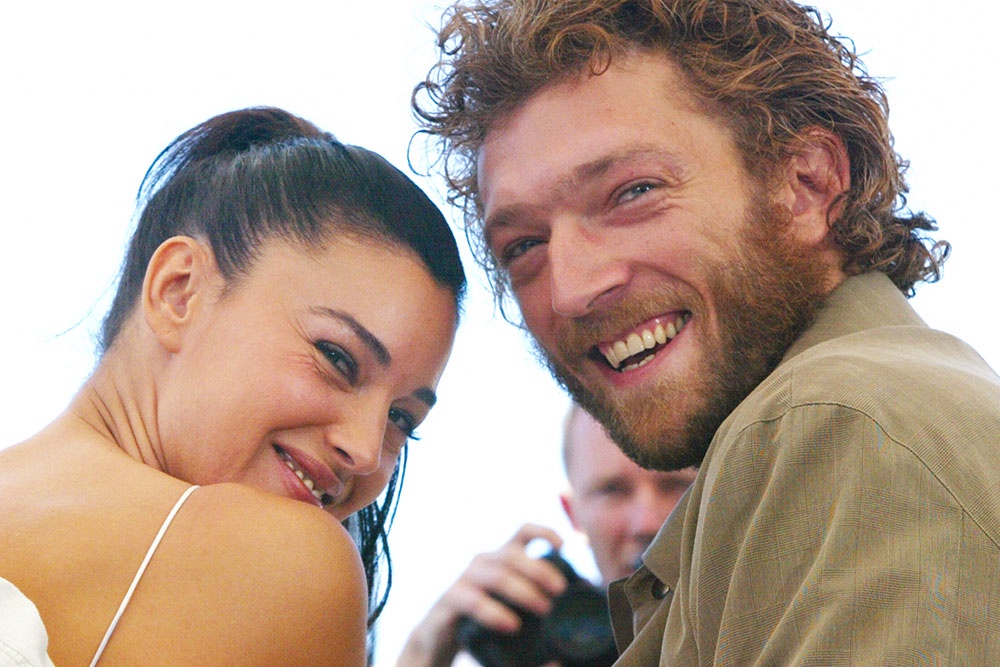
Cassel's personal life has drawn almost as much attention as his films. For fourteen years, he and Monica Bellucci were regarded as the most beautiful and enigmatic couple in world cinema, a relationship that produced two daughters, Deva and Leonie.
After the couple divorced, Cassel, who had fallen in love with Brazil and its culture, began a new chapter in his life. He married the model Tina Kunakey, with whom he had a daughter, Amazonie. He later began a relationship with the model Nara Baptista, and in January 2025 the couple had a son, Caetano, the actor's first male heir.
Cassel's own explanation for his long career is simple: he never tried to please everyone. In an era of polished, carefully managed screen personas, he has held on to a willingness to take risks, an edge and an unpredictable energy that leads audiences to forgive his characters for some of their most questionable behaviour.
Test yourself
What is Vincent Cassel's real surname?
Which film, directed by Mathieu Kassovitz, made Cassel a star?
Who is the mother of Cassel's son Caetano, born in January 2025?
Have your say
What draws you most to Vincent Cassel's acting career?
Where it happened
Paris, France