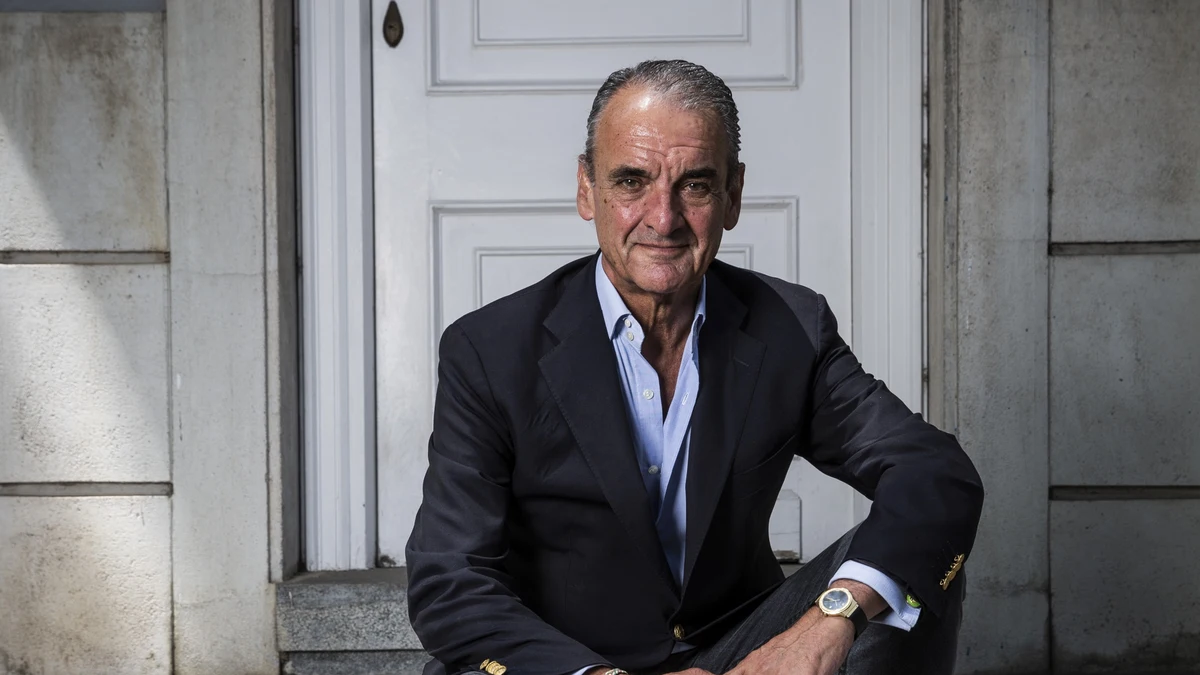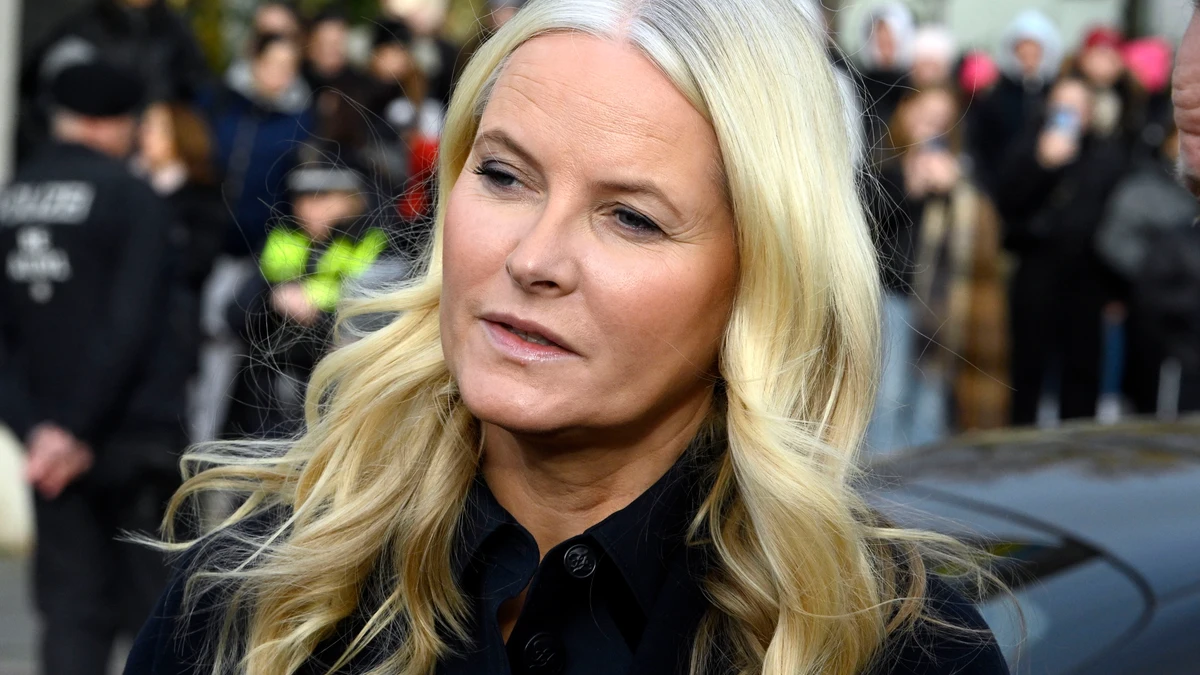
Queen Mette-Marit of Norway will not have to testify before a parliamentary commission investigating her past contact with the late financier Jeffrey Epstein, after Norway's government recommended that she decline the panel's invitation to appear.
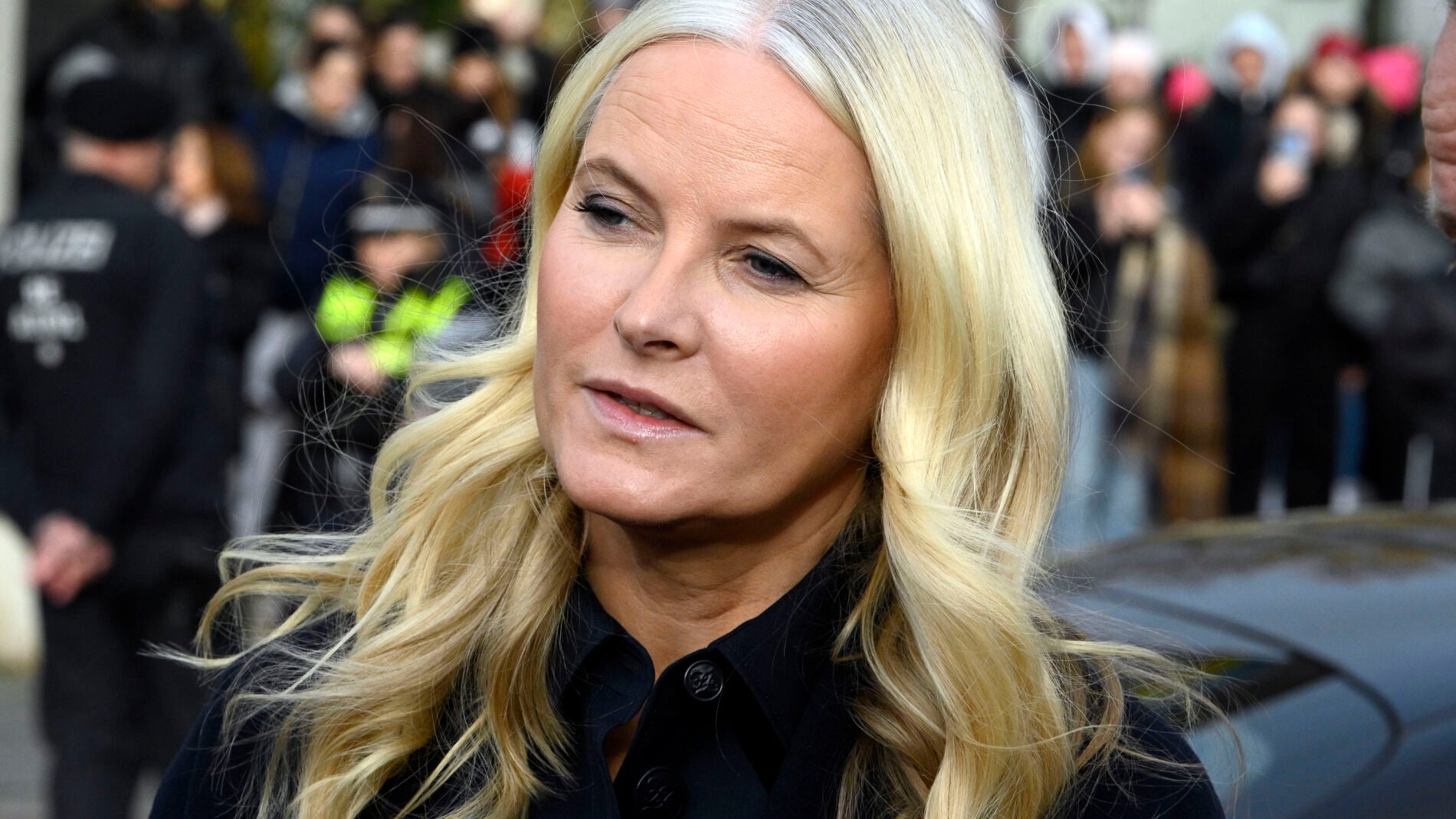
The Royal Court announced on November 23 that the 53-year-old wife of King Haakon, Norway's monarch, had turned down the commission's request. The parliamentary panel had first asked to hear her testimony in October, convinced that her account could shed light on the contacts she had maintained with Epstein, the American financier who was convicted of sex crimes.
The decision marks the latest turn in a controversy the Norwegian royal house has struggled to shake off since the start of the year. Norway is a constitutional monarchy, and as is the case with other constitutional monarchs in Europe, the king's role is largely ceremonial, with executive power resting with the elected government. The country has also long made institutional transparency part of its national identity, which is one reason the queen's silence on the matter has drawn such close attention.
Why the Government Recommended She Stay Silent
The government's recommendation came after it consulted the Office of the Prime Minister. Its reasoning rests on a constitutional interpretation and on a tradition dating back to 1814, under which no member of the Norwegian royal family has ever appeared before a parliamentary investigative commission.
A government communications official, explaining the decision, said the Storting, Norway's parliament, cannot summon the king or any member of the royal family to testify before it.
Commission Members Split Over the Decision
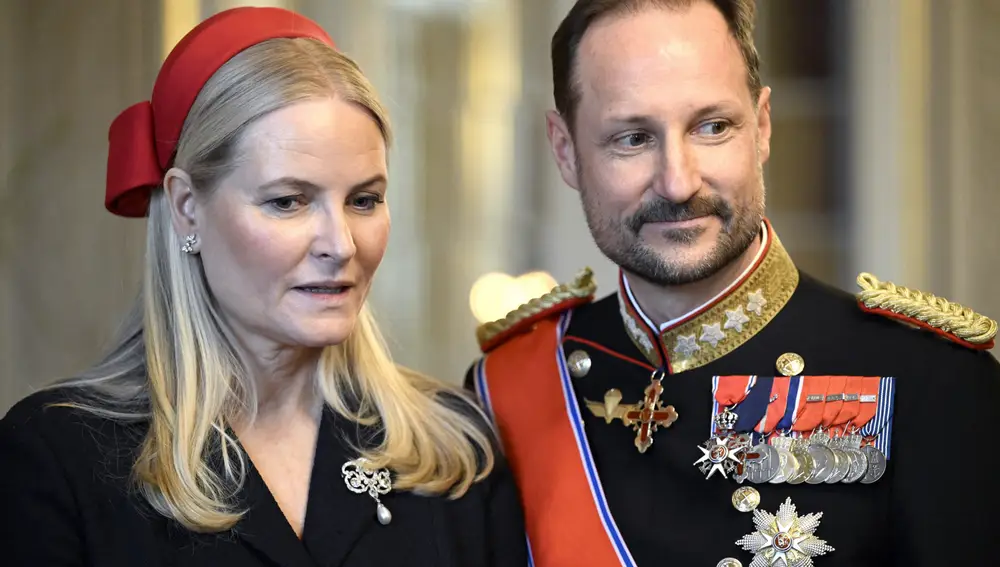
The question has not been settled inside the commission itself. Per-Willy Amundsen, chairman of the Committee on Control and Constitutional Affairs, a standing Storting panel that oversees the government's use of power, argues that a voluntary invitation is not the same as a mandatory summons. His objection raises an uncomfortable question for the palace: whether the institution of the monarchy is being protected, or whether an opportunity to clear up the doubts surrounding the queen is simply being avoided.
Amund Djuve, the commission's president, has also declined to treat the matter as closed. He continues to believe that Mette-Marit could supply information important to clarifying the nature of her ties to Epstein.
How the Scandal Reached the Palace
The controversy erupted at the end of January, after the U.S. Department of Justice released a new batch of documents connected to Epstein, who died in 2019 while facing federal sex-trafficking charges in the United States. Among the documents were emails, dated between 2011 and 2014, that described a relationship between the queen and Epstein that was closer and lasted longer than had previously been acknowledged.
In March, Mette-Marit addressed the allegations directly in an interview with NRK, Norway's public broadcaster. She admitted that she had let herself be deceived by Epstein, said she took responsibility for failing to look into his past before associating with him, and expressed regret, telling NRK that she wished she had never met him.
What Comes Next
For now, Mette-Marit is focused on recovering her health and rebuilding her public standing, shielded once again by the institutional protection the crown affords its members. But the question has not disappeared simply because she declined to testify. Djuve said the commission still regards the matter as open and intends to keep pressing for clarity on her relationship with Epstein.
What happens next
Commission president Amund Djuve said the panel still considers the matter open and continues to believe Mette-Marit could help clarify her relationship with Epstein.
Test yourself
Why did Norway's government recommend Queen Mette-Marit decline to testify?
When did the scandal over the Epstein documents first erupt?
Who said the commission still considers the matter open?
Where it happened
Oslo, Norway