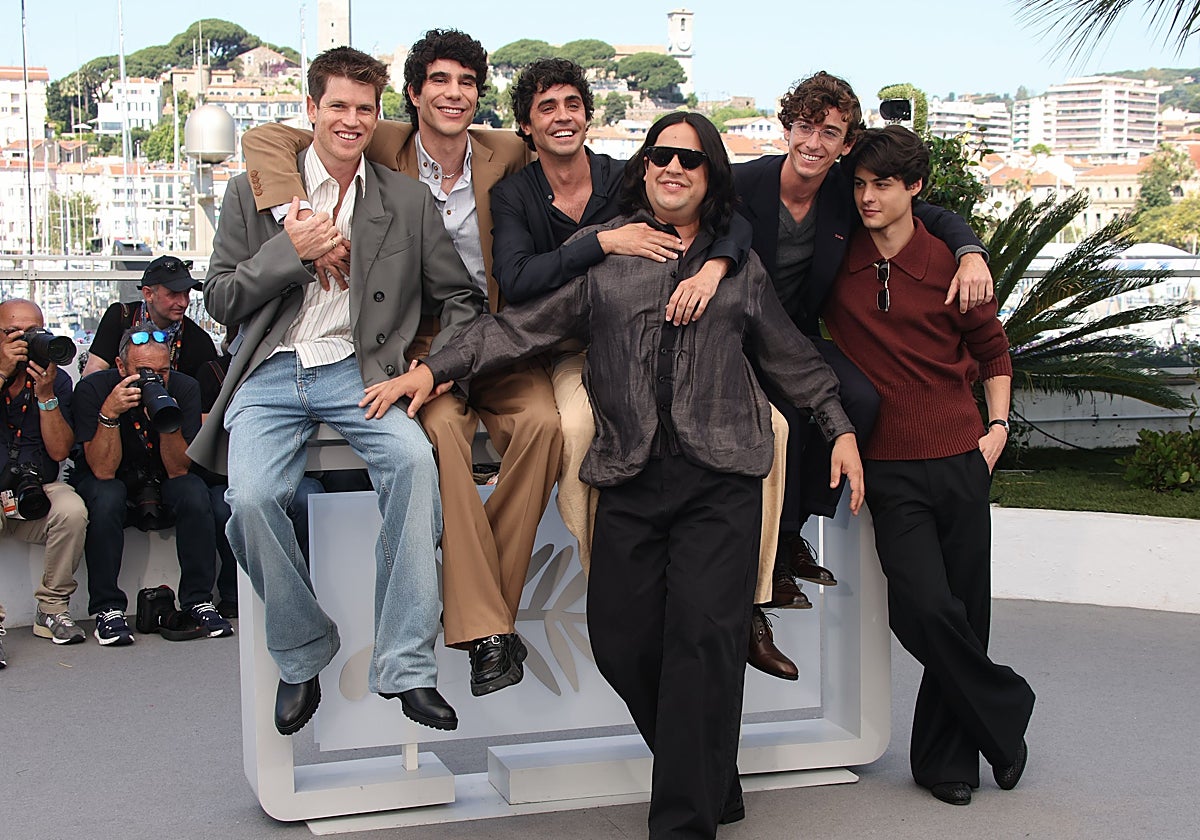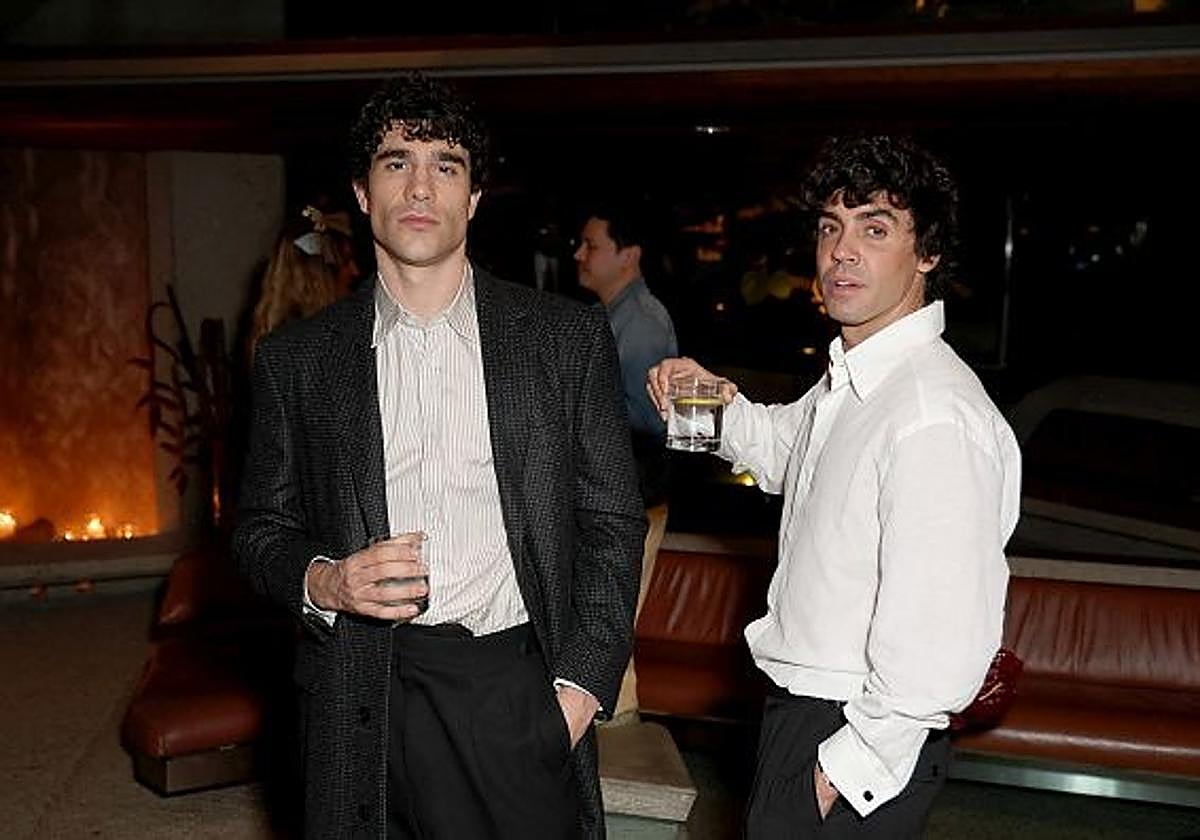
A critic at El Comercio, one of Peru's leading newspapers, has published a scathing review of La Bola Negra (The Black Ball), the new film by Spanish directors Javier Calvo and Javier Ambrossi, the duo known as Los Javis, accusing the project of vanity dressed up as art.
Juan Carlos Fangacio Arakaki titled his review "Too Much Vanity Amid So Much Rubble." He wrote that the film is clearly ambitious, with a grandiose and hyperstylized staging, but said its biggest flaw is that the effort to impress shows through too much.
According to Fangacio Arakaki, the film is so in love with itself, constantly looking at its own reflection, that its visual packaging ends up feeling hollow and artificial.
The critic was equally harsh about the screenplay, writing that it resembles a social media pamphlet more than a film script: relentlessly feel-good to the point of being obvious, repetitive like any piece of activism, and so heavily underlined that it underestimates the audience's own ability to interpret what it sees.
He added that La Bola Negra turns melodramatic, in a soap-opera tone, at moments when subtlety would have worked better, and that it is baroque and festive to the point of trivializing a tragedy like the Spanish Civil War. He also said the film tries to be poetic in passages that drag on without saying anything.
Fangacio Arakaki concluded that the result ends up closer to the most demagogic kind of statement, or to the most boring social media reel, than to a genuine work of art.
Los Javis and the film's global reach
Javier Calvo and Javier Ambrossi, known in Spain as Los Javis, are a filmmaking and television duo who built their reputation on television series before moving into film with La Bola Negra. The film has been expanding internationally, drawing comments from actors, filmmakers and media outlets across numerous countries, most of them full of praise.
That wave of international attention, however, has not been unanimous. The most notable dissenting voice so far has been American critic Justin Chang, a Pulitzer Prize-winning writer who now reviews films for The New Yorker, one of the most prestigious magazines in the United States.
Chang wrote that the film is not a monument but a failure, and described Los Javis' work as an exaggerated and overloaded epic.
Fangacio Arakaki's review in El Comercio, a Peruvian newspaper founded in 1839, now joins Chang's in pushing back against the largely positive international reception the film has received so far.
Praise from other major outlets
The Peruvian critic's assessment contrasts sharply with reviews from other international outlets that have embraced the film. Donald Clarke, writing in The Irish Times, Ireland's leading newspaper, described La Bola Negra as a musical, a melodrama and a loud, bumpy ride downhill, adding that an excess of cinema is preferable to a film that falls short.
The New York Times was similarly enthusiastic, singling out actor Carlos González for praise. The newspaper said his performance carries a magnetism that makes the film's otherwise implausible circumstances feel real and alive, and that his character's arc is not about a tragic desire but about the deep longing that can drive someone to seek solid roots.
The split in reception leaves La Bola Negra as one of the most debated films of the year, praised by some of the world's most-read newspapers while facing pointed rejection from critics in Peru and the United States.
Test yourself
Who wrote the critical review of La Bola Negra in El Comercio?
What did Justin Chang call the film in The New Yorker?
Which actor did The New York Times single out for praise?
Where it happened
Lima, Peru