Auterion, a US company specializing in autonomous systems, is rolling out an artificial intelligence system that lets Ukraine's cheap Shrike drones track and follow moving targets on their own during the final phase of an attack.
The Shrike drones have become one of the cheapest weapons Ukraine uses, with a basic version costing about $400. Until now, the drones depended on an operator who had to guide them for the entire flight.
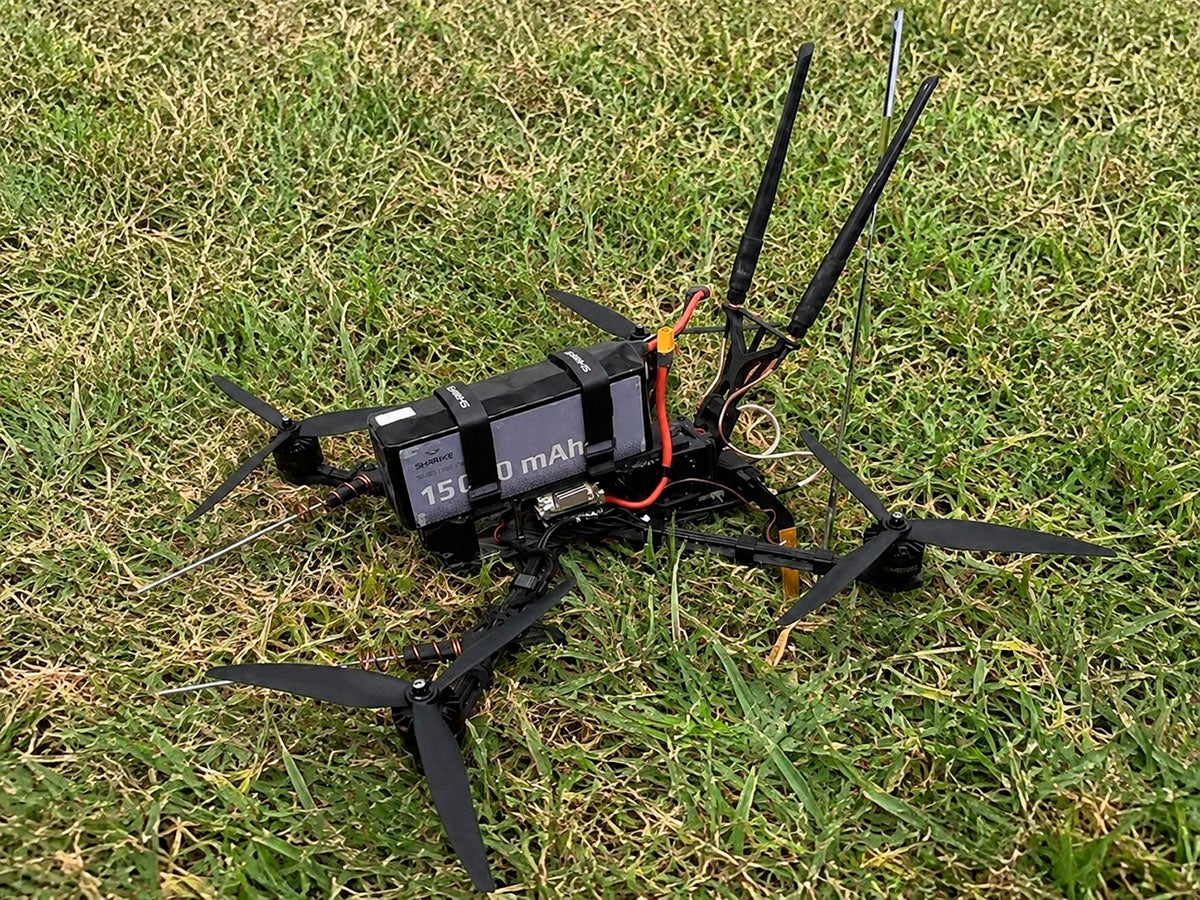
Auterion is working with Ukrainian manufacturer SkyFall to deliver 50,000 drones equipped with its Skynode S system. The pilot will still choose the target but can hand off control to the drone once it gets close enough.
How the tracking system works
The operator flies the Shrike using its front-facing camera, approaches the area and marks the vehicle to be tracked on the screen. From that point, the software analyzes the images and steers the drone toward the target without needing continuous instructions.
The system is especially useful in areas where Russian forces jam radio communications or disrupt GPS signals. Because the images are processed onboard, the Shrike can keep going even if it loses contact with the pilot during the final approach.
The operator can still cancel the attack or switch targets as long as the connection holds. The drone does not decide on its own whom to attack; a person remains involved in the initial target selection and authorizes use of the automatic system.
Price rises with new capability
The upgrade also changes the cost. The $400 price applies to the basic, manually controlled drone, while a unit equipped with the electronics, software and full program costs around $2,000. That is still far cheaper than many conventional guided weapons.
The contract is valued at about 90 million euros and is financed by Germany, with deliveries expected to be completed during 2026. Ukraine is also preparing other low-cost systems, including an electric drone that can reach speeds close to 700 km/h to intercept kamikaze drones.
Coordinating drones as a swarm
Auterion says the hardware already installed in the Shrikes will not be limited to tracking single targets. A future update, the company says, will turn the drones into coordinated swarms without changing their structure, letting one operator mark a zone and have several drones split up targets so they do not all chase the same vehicle.
Auterion has already tested the idea at a military training field in Florida. During the exercise, one person directed three drones that attacked three separate targets while the system handled navigation, kept the aircraft separated and managed the final approach.
There is no set date yet for bringing that swarm feature to the 50,000 Shrike drones already contracted. The addition is likely to add to the debate over the human role in increasingly autonomous weapons. Auterion maintains that a person must still make the final decision, though it acknowledges that advances by rival systems could narrow that margin in the future.
The project reflects the growth of companies such as Swarmer, whose drone-coordination technology was developed during the war in Ukraine.